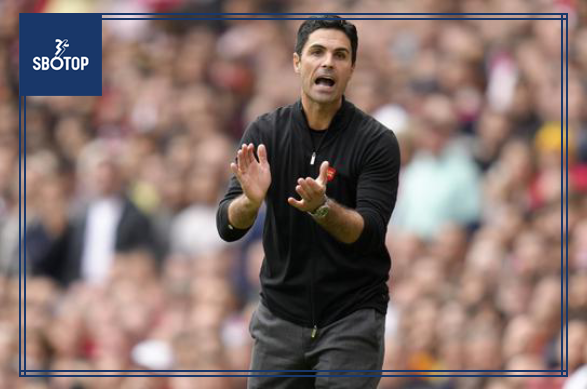
Arsenal manager Mikel Arteta has firmly denied accusations that his training methods are to blame for the club’s growing injury crisis. Despite acknowledging that the team is in a “dangerous situation,” Arteta insists that excessive training intensity is not the root cause of the problem.
The Gunners are currently battling one of their most challenging periods in terms of squad fitness. Leandro Trossard was ruled out of Arsenal’s Champions League meeting with Club Brugge, joining a long list of unavailable players. The defensive trio of William Saliba, Gabriel Magalhães, and Cristhian Mosquera is also sidelined, while Kai Havertz and Declan Rice remain unavailable due to injury and illness respectively.
To make matters worse, 15-year-old winger Max Dowman, who had recently been fast-tracked into the senior squad, suffered an ankle injury in a closed-door friendly and has now been removed from Arsenal’s Champions League list.
According to data from the past two seasons, Arsenal have recorded 95 separate injury cases—with 28 of them occurring this season alone. These statistics have raised questions about whether the club’s training intensity under Arteta is contributing to the problem.
Arteta, however, strongly rejects the claims.
Arteta: “We even trained for only 20 minutes today”
Speaking ahead of the Champions League fixture, Arteta defended his coaching staff and insisted that Arsenal are not overworking their players.
“We even trained only 20 minutes today. So, no—it’s not because we are overtraining,” Arteta said.
The Spaniard believes the real culprit is the packed match calendar, which has forced key players into a relentless rhythm of midweek and weekend matches. When one player gets injured, he explained, the load on the remaining squad members increases, creating a dangerous cycle that becomes difficult to break.
“When players drop out, the burden on the others grows, and that creates a risky cycle,” Arteta added.
Despite the mounting injury concerns, Arsenal remain at the top of the Premier League and are well-positioned to qualify for the Champions League Round of 16. The team’s resilience and ability to adapt under pressure have been crucial to maintaining momentum.
There was also a glimmer of good news: Gabriel Jesus is closing in on his long-awaited return after nearly 11 months out following ACL surgery.
Arsenal’s Injury Situation: A Closer Look
Leandro Trossard
Trossard did not travel to Belgium after picking up a muscle issue during the 2–1 defeat to Aston Villa. His absence is a major blow, given his recent influence in attack.
Defensive Crisis: Saliba, Gabriel, Mosquera
Arsenal’s back line is under severe strain, with all three senior centre-backs unavailable.
-
William Saliba is recovering from a lower-back problem.
-
Gabriel Magalhães remains sidelined due to a muscle injury.
-
Cristhian Mosquera, who has impressed when called upon, has also been ruled out.
The absences leave Arteta with limited options in central defense, forcing him to rely on makeshift solutions.
Havertz and Rice Also Missing
German forward Kai Havertz continues to work through his rehabilitation, while midfield anchor Declan Rice is out due to illness. Rice’s absence is particularly significant, as he has been one of Arsenal’s most consistent performers this season.
Emerging Talent Max Dowman Suffers Setback
The most unfortunate development involves 15-year-old wonderkid Max Dowman. After earning attention as one of the academy’s brightest prospects, the teenager sustained an ankle injury during a behind-closed-doors friendly.
As a result, Arsenal have withdrawn him from their Champions League squad list, making him ineligible to play again in Europe until the knockout phase.
The Bigger Picture: Are Arsenal Really Overtraining?
Critics have pointed to Arsenal’s unusually high injury count as evidence of overtraining. However, Arteta argues that the injuries are not linked to intensity but to:
-
Fixture congestion
-
International break fatigue
-
Short recovery windows
-
Players returning too quickly from previous injuries
The Premier League and Champions League schedules have become increasingly demanding, and Arsenal’s style of play—high pressing, quick transitions, and aggressive defensive work—means players need top physical conditioning.
Arteta believes that the technical staff are doing everything possible to protect the players:
“It’s about managing load, managing minutes, and adapting to what each player needs. We’re doing that carefully.”
Arsenal Push Forward Despite Setbacks
Even with a depleted squad, Arsenal continue to fight on multiple fronts. Their position at the top of the Premier League and their strong standing in Champions League Group Stage reflect a team that refuses to crumble under pressure.
As Gabriel Jesus inches closer to his comeback, Arsenal hope to gradually rebuild their squad depth and prevent further injuries in the crucial months ahead.
The injury crisis is real, but Arteta remains steadfast: the problem is not overtraining—it’s the intense demands of modern football.
ALSO READ :