European football is undergoing a major transformation, driven by the rise of multi-club ownership (MCO) structures. While this phenomenon may seem abstract to casual observers, its impact is felt sharply by clubs outside the elite circle. Racing Club Strasbourg, a Ligue 1 side, is currently experiencing firsthand the real consequences of being part of such a network.
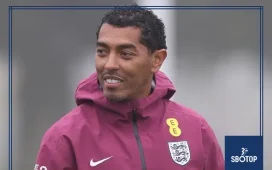
Strasbourg is on the verge of losing a key figure in their sporting revival. Young English manager Liam Rosenior is reportedly set to join Chelsea, the flagship club in the BlueCo MCO network. This move exemplifies the power dynamics inherent in multi-club ownership, where the priorities of the top-tier club can shape the destinies of partner teams.
Chelsea had multiple options on the table. Felipe Luís, the former Chelsea left-back and Brazil international now thriving as a coach at Flamengo, was also considered. Yet all indications point to Rosenior as the preferred choice for the London club, underlining the influence of MCO hierarchies in decision-making.
More Than a Career Step: Strasbourg’s Test of Autonomy
For Rosenior, the move represents an important career progression. But for Strasbourg and their supporters, it is a stark reminder of how much control the club retains—or has ceded—since joining the BlueCo ecosystem. The departure raises fundamental questions about the cost of independence in modern football.
When Rosenior was appointed Strasbourg manager in 2024, his arrival was met with skepticism. Some fans believed his hiring was another decision dictated from London rather than Alsace. His prior work with Paul Winstanley at Brighton & Hove Albion—now Chelsea’s sporting director—added to the perception that the appointment served the interests of BlueCo’s flagship club.
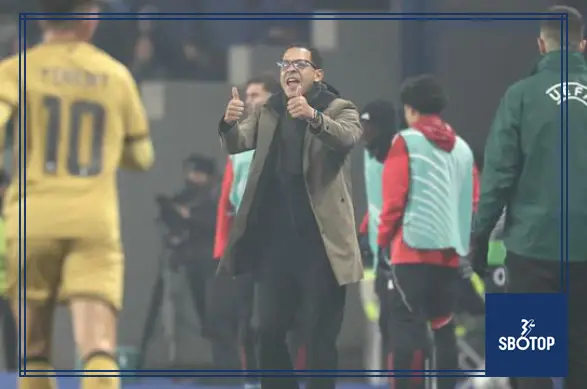
Yet Rosenior quickly won over his critics. He implemented an attacking, attractive style of play and showed deep respect for Strasbourg’s historical identity, a source of civic pride in Alsace. The team performed strongly throughout the season, narrowly missing out on a Europa League spot after two late defeats. Rosenior’s growing popularity cemented him as a central figure in the club’s sporting project.
A Farewell Too Soon
As the current season entered its mid-point, Strasbourg began to struggle in Ligue 1, despite recording three wins in the UEFA Conference League. A 1-1 draw against Nice on Saturday evening is believed to have marked Rosenior’s final match on the Strasbourg sidelines.
The mid-season departure has sparked anger among hardcore supporters, who now demand the resignation of club president Marc Keller. They argue that the sale of Strasbourg to BlueCo has left the club vulnerable, effectively reducing it to a satellite operation for a London-based conglomerate.
This scenario mirrors last summer’s controversy when Strasbourg captain Emmanuel Emegha was sold to Chelsea and subsequently loaned back to the French club. The pattern is now repeating, with even greater stakes and heightened sensitivity among fans.
The Harsh Reality of Multi-Club Ownership
This is the unvarnished reality of modern football’s MCO era. When Chelsea requires a coach or player, affiliated clubs like Strasbourg often serve as the first port of call. The question is whether other French clubs would accept similar arrangements—or resist the financial allure at the cost of autonomy.
Financial considerations complicate the issue further. Premier League clubs, constrained by squad cost ratios and financial regulations, are increasingly seeking MCO partnerships. Meanwhile, the collapse of DAZN broadcasting deals has left many French clubs in urgent need of foreign investment. For Strasbourg, BlueCo’s backing is tempting—but it comes with strings attached.
In this system, independence carries a high price. The relationship between English and French football is no longer just a market opportunity; it has evolved into a formal hierarchy dictated by ownership networks.
Investment Comes with Influence
From BlueCo’s perspective, their interventions are both legitimate and beneficial. They highlight substantial investments in the Strasbourg squad, the loaning of Chelsea prospects like Kendry Páez and Mamadou Sarr, and funding for renovations at La Meinau Stadium. Plans for new training facilities are also reportedly underway.
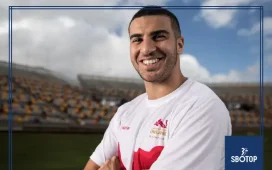
Chelsea is expected to pay Rosenior’s release clause, with full political and regulatory backing from local authorities and the French football governing body, DNCG. BlueCo also cites examples such as Joaquín Panichelli, the 23-year-old Argentine striker now in national team contention, whose potential sale would likely follow the same priority rules.
According to the network, these arrangements are justified: their financial and recruitment support ensures Strasbourg’s competitiveness, but it also gives Chelsea first access to managerial and playing talent.
Survival vs. Identity
While Strasbourg will likely find a capable replacement for Rosenior—bolstered by European competition spots and a budget exceeding many Ligue 1 rivals—the intangible cost is harder to quantify. Being part of a larger corporate football empire imposes subtle psychological pressures and limits autonomy.
Even if not every coach or player ultimately moves to Chelsea, the looming possibility shapes decision-making, player morale, and fan perception. Strasbourg supporters must now reconcile competitive survival with the erosion of club identity, a balancing act forced upon many MCO-affiliated teams.
A New Era for Strasbourg and European Football
The Rosenior saga demonstrates that modern football is no longer just about results on the pitch. Multi-club ownership has introduced complex hierarchies, financial dependencies, and strategic realignments that fundamentally alter the traditional autonomy of clubs.
Strasbourg stands at the forefront of this transformation. Their experience underscores both the opportunities and constraints presented by global football investment, providing a glimpse into a future where survival may come at the cost of identity.
In this brutal new era, the story of Liam Rosenior is more than a managerial move—it is a case study in the reshaping of European football under multi-club ownership.
ALSO READ :