Liverpool are facing harsh scrutiny following their 2-1 loss to Manchester City, with many pundits suggesting that the Reds may regret their lack of decisive action in the January transfer window. Specifically, the decision not to reinforce the right-back position has exposed weaknesses that Arne Slot had to improvise during the high-stakes Premier League clash.
The absence of a natural right-back forced Slot to make a bold tactical adjustment, deploying midfielder Dominik Szoboszlai in a role unfamiliar to him. While the Hungarian international remains one of Liverpool’s standout performers this season, the experiment highlighted the limitations of not strengthening a critical defensive position.
Improvisation at Anfield
In the final days of the winter transfer window, Liverpool reportedly held talks with Sunderland’s right-back Lutsharel Geertruida. However, negotiations ultimately broke down, leaving the Reds without reinforcement in the defensive flanks. This inactivity has now come under intense scrutiny, especially as Liverpool attempt to stabilize their season following a shaky start.
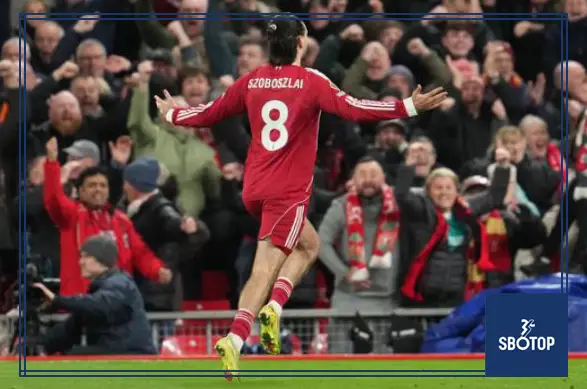
Against Manchester City, Slot’s decision to play Szoboszlai as a right-back was a measure born out of necessity rather than strategy. While Szoboszlai’s free-kick goal captured attention, it also underscored the argument that he is far more effective in a creative midfield or attacking role rather than being deployed defensively.
Journalist Miguel Delaney described the situation bluntly, suggesting that Szoboszlai was “wasted” in the defensive role—a sentiment many Liverpool fans and analysts echoed. The Hungarian’s natural talent shines in the midfield, and placing him in a backline position restricted his ability to influence the game positively.
Moments of Controversy
Szoboszlai’s performance was not without its dramatic moments. While he contributed with a beautiful free-kick, he was also indirectly involved in the equalizing goal for City when Bernardo Silva found space due to defensive positioning. The drama intensified when Szoboszlai received a red card in the dying moments of the game, further emphasizing the risk of playing him out of position.
Despite these challenges, it is unfair to single out Szoboszlai for criticism. His experience and skill set are better suited to attacking roles, and he was placed in an unfamiliar position due to managerial necessity rather than choice.
The Need for a Right-Back
Liverpool’s predicament highlights the ongoing need for a reliable natural right-back—a requirement that was clear during the January window. Even if Jeremie Frimpong had remained fully fit, his deployment this season has largely been in a more advanced wide role rather than as a traditional defensive right-back.
Frimpong’s experience as a wing-back in Germany makes him adaptable, but Liverpool’s squad depth in defensive positions remains questionable. The City game illustrated the consequences of not securing a specialized right-back: the team had to rely on improvisation in a high-pressure scenario against one of Europe’s most potent attacks.
The January transfer window presented an opportunity for Liverpool to address this critical weakness, but the club’s decision—or indecision—has now contributed to tactical dilemmas in key matches. Analysts argue that failure to reinforce this position could continue to hinder the Reds as they chase top-four aspirations and compete across multiple competitions.
Not Szoboszlai’s Fault
It is important to note that Szoboszlai should not bear the brunt of criticism for the defensive issues against City. His role in the team is multifaceted, but he excels most when given creative freedom in midfield. The responsibility for squad planning and transfer strategy lies with Liverpool’s management, who ultimately did not act decisively when reinforcement was needed.
The situation underlines a broader challenge for Liverpool: balancing squad depth while maintaining tactical flexibility. With key players in defensive and midfield roles either unavailable or out of position, the Reds are now experiencing the direct consequences of limited transfer activity.
Looking Ahead
As Liverpool continue their season, the absence of a natural right-back remains a pressing concern. The January window has passed, and the club will need to rely on adaptability, creativity, and tactical improvisation to navigate upcoming fixtures. However, the lessons from the Manchester City match are clear: neglecting crucial squad reinforcements can have immediate and tangible consequences on performance.
For fans and pundits alike, the City defeat serves as a reminder that strategic transfers are essential in modern football, not just for adding flair or star power, but for maintaining balance and effectiveness across all positions. Liverpool’s experience may well serve as a cautionary tale for other clubs about the importance of proactive squad management during key transfer windows.
ALSO READ :