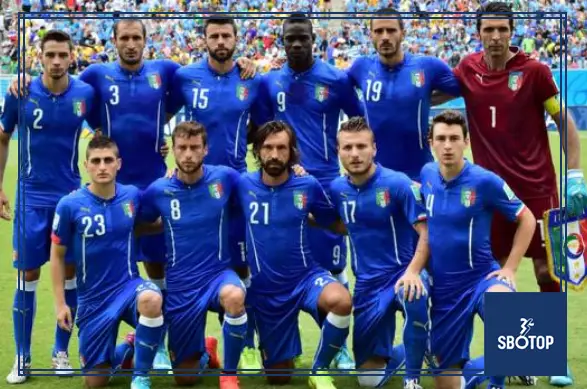
Italian football suffered yet another blow as the national team, Gli Azzurri, failed to qualify for the 2026 FIFA World Cup. In a tense final play-off match, Italy lost to Bosnia-Herzegovina in a penalty shootout after a 1-1 draw at Bilino Polje Stadium in Zenica on Wednesday, April 1, 2026.
This defeat marks the third consecutive World Cup that Italy has missed, extending the nation’s absence from football’s most prestigious tournament. The loss underscores a troubling trend: the team’s struggle to integrate experienced players into its current squad.
A Dramatic Match Against Bosnia-Herzegovina
The match was dramatic from start to finish. Italy played with ten men for roughly 80 minutes after Alessandro Bastoni received a red card late in the first half. Despite their numerical disadvantage, the team fought back, equalizing to finish 1-1 after 120 minutes. Ultimately, the outcome was decided in a nerve-wracking penalty shootout, where Bosnia-Herzegovina prevailed.
The result not only ended Italy’s World Cup hopes once again but also highlighted deeper issues within the national squad, particularly regarding player experience and generational transition.
Only One Serie A Player With World Cup Experience
One striking fact emerges from the current squad: Matteo Darmian, a 36-year-old defender for Inter Milan, is the only player in Serie A who has previously played in a World Cup. Darmian participated in all three group stage matches for Italy in the 2014 FIFA World Cup, facing England, Costa Rica, and Uruguay. Despite his efforts, Italy failed to advance beyond the group stage, earning only one win.
Another Serie A player from the 2014 squad, goalkeeper Mattia Perin of Juventus, was included in the roster but did not make an appearance, as starting duties were held by veteran captain Gianluigi Buffon.
This scarcity of experienced World Cup players within Serie A highlights a critical gap in Italy’s domestic league and its connection to the national team.
The Generational Divide
The lack of active World Cup veterans in Serie A also emphasizes a broader generational divide in Italian football. Several former Azzurri players from the 2014 World Cup are still active professionally but have moved abroad or to lower divisions:
- Mario Balotelli – Al-Ittifaq (UAE)
- Salvatore Sirigu – Palermo (Serie B)
- Ciro Immobile – Paris FC
- Lorenzo Insigne – Pescara (Serie B)
- Marco Verratti – Al-Duhail (Qatar)
This exodus of experienced talent has left a void in the Italian domestic league, reducing the pool of players capable of bridging the gap between youth potential and international competition.
Implications for Italian Football
The generational gap contributes to Italy’s ongoing struggles at the global level. Without seasoned players capable of mentoring younger teammates and providing leadership in high-stakes matches, the national team faces structural challenges that go beyond tactical choices.
Darmian’s solitary status as a World Cup-experienced player in Serie A reflects a worrying trend: Italian clubs increasingly rely on younger, less internationally tested players or foreign imports, leaving few domestic athletes with top-tier tournament exposure.
This dynamic not only affects performance on the field but also influences the development of emerging talent, as young players lack role models who have succeeded at the highest international level.
Looking Ahead
Addressing this gap will require coordinated efforts between Serie A clubs, the Italian Football Federation (FIGC), and youth development programs. Ensuring that domestic players gain international experience, whether through exposure in European competitions or strategic mentorship, could help rebuild Italy’s competitiveness on the world stage.
Moreover, the national team may need to adapt its scouting and selection processes to identify talent both within Serie A and abroad, ensuring a balance between youth potential and seasoned experience.
Conclusion: Bridging the Gap Is Essential
Italy’s failure to qualify for the 2026 World Cup highlights a systemic issue within Italian football: a generational gap that leaves the domestic league with only one player who has World Cup experience. Matteo Darmian stands as a lone bridge between past glory and present challenges, symbolizing both hope and urgency for the national team.
If Italy hopes to reclaim its position among football’s elite, Serie A must nurture a generation of players capable of competing internationally while maintaining ties to the domestic league. Without bridging this gap, Gli Azzurri may continue to struggle, regardless of managerial changes or tactical adjustments.
Rebuilding Italian football requires more than talent—it demands experience, leadership, and a strategic vision that connects past successes with future potential. Only by addressing these structural issues can Italy hope to return to the World Cup stage and compete at the level expected of a former world champion.
ALSO READ :