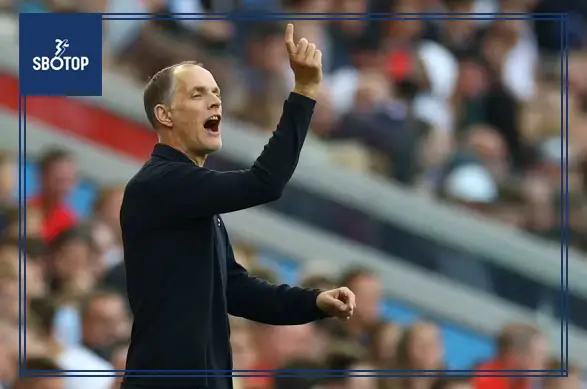
England manager Thomas Tuchel has revealed that he is willing to make an unusual adjustment at the 2026 FIFA World Cup: keeping substitute players inside the stadium rather than on the traditional sideline bench if extreme heat becomes a threat. The German coach stressed that maintaining player safety and performance must take priority, even if the idea feels unconventional for the sport.
Speaking to BBC Sport on Thursday, Tuchel acknowledged that extreme temperatures expected in parts of the United States, one of the tournament’s co-hosts, may force teams to rethink traditional matchday routines.
“If this helps the players later in the match, we have to consider it,” Tuchel explained. “Nobody likes it, because I want the players to be out there, feeling the energy and bringing it from the bench onto the pitch. But I saw players doing this at the Club World Cup. Hopefully, we can avoid it.”
His comments reflect broader concerns that have been building around the 2026 World Cup, a tournament spread across the U.S., Canada, and Mexico — regions known for potentially scorching temperatures in June and July. At the 2023 Club World Cup, hosted in the United States, medical teams and players’ unions raised alarm over heat-related risks, including dehydration, extended recovery time, and the danger of heatstroke when performing at full intensity.
Rising Temperatures Could Impact Match Intensity
Tuchel admitted that extreme heat presents a genuine tactical and physiological challenge for teams. In his view, it is unrealistic to expect players to maintain elite-level tempo and intensity when temperatures climb above safe thresholds.
“You can’t play the same football in 45°C as in 21°C,” he said. “We need to adapt and prepare the players as well as possible.”
Sports scientists have long warned that high temperatures dramatically increase fatigue levels and reduce high-speed running — two crucial components of modern football. For a tournament where matches can be played in cities like Los Angeles, Dallas, or Houston, where summer temperatures routinely exceed 40°C, Tuchel believes teams must remain flexible and creative in their preparations.
Teams may need to rotate more heavily, rely on hydration breaks more frequently, and implement new recovery protocols. Even tactical approaches could shift, with a slower tempo, longer passing sequences, and reduced pressing intensity becoming necessary.
England Enter the Tournament With Growing Confidence
Despite concerns surrounding environmental factors, Tuchel struck an optimistic tone regarding England’s prospects at the upcoming World Cup. He expressed strong belief in the team’s progress and their ability to contend for the trophy.
“I’m more confident than ever that this team can win the tournament, as we’ve grown closer and stronger,” Tuchel stated. “We are arriving with the biggest goal.”
His confidence is not without foundation. England completed their qualifying campaign with extraordinary dominance: eight wins out of eight, scoring 22 goals and conceding none. This defensive solidity paired with England’s attacking depth has positioned them as one of the early favorites.
Their flawless record earned them a place in Pot One for the World Cup draw, ensuring they avoid tournament giants such as France, Spain, and Argentina in the group stage and potentially until the semi-finals—provided all seeded teams top their respective groups.
Strategic Focus Ahead of the Draw
Tuchel emphasized that England already have a clear strategic direction, though their full preparations will depend on Friday’s draw.
“We need to wait until the draw, but we have a clear idea against whom we want to play,” he said. “We’re getting closer. I think we’re getting stronger. The target is to arrive in June with a strong squad, and the emphasis is on the squad and the team spirit.”
Team chemistry has been a central pillar of Tuchel’s rebuilding project since taking over the national side. He has repeatedly highlighted that tournament success depends not only on individual brilliance but also on unity, clarity of roles, and adaptability.
Building a resilient squad is especially crucial given the environmental challenges ahead. Heat management, rotation policies, and in-game adjustments could all prove decisive in tight knockout matches.
Balancing Player Welfare and High Expectations
While Tuchel hopes England will not need to resort to escorting substitutes indoors for heat protection, he made it clear that safeguarding player welfare remains non-negotiable. As global temperatures rise and summer tournaments become more demanding, football must evolve.
“Nobody wants it,” Tuchel reiterated. “But if it helps the players, then we must be open to it.”
With England aiming for their first World Cup title since 1966, every detail — from tactical preparation to environmental management — will matter. And as Tuchel made clear, adapting to the new realities of modern football could be the difference between falling short and lifting the most coveted trophy in world sport.
ALSO READ :