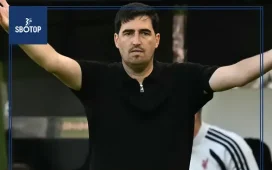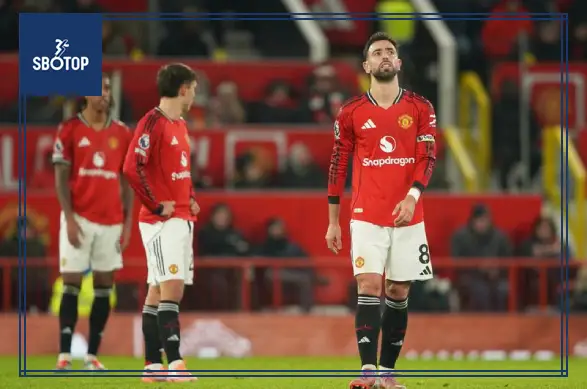
Manchester United manager Ruben Amorim has spoken publicly to defend the tactical substitutions he made during his team’s frustrating 1–1 draw against West Ham United at Old Trafford. The Portuguese coach insisted that every change was deliberate, necessary, and aimed at maintaining control of the match — even as criticism poured in from pundits and supporters.
United took the lead early in the second half through Diogo Dalot, who finished off a slick attacking move to put the hosts ahead. But defensive lapses and a failure to win second balls ultimately cost United. West Ham equalised in the 83rd minute through Soungoutou Magassa, capitalising on a set-piece situation that developed after a series of avoidable errors in United’s defensive third.
The draw denied Manchester United a golden opportunity to climb into the Premier League’s top five. Instead, the club remains stuck in eighth place after 14 matches, prompting renewed scrutiny of Amorim’s tactical decisions — particularly his choice of substitutions.
Even Manchester United legend Roy Keane publicly questioned the approach, suggesting that United became overly conservative and invited unnecessary pressure. Amorim, however, offered a detailed explanation during his post-match press conference.
Amorim’s Substitution Strategy: “We Lost Because of Second Balls”
The United manager made five substitutions throughout the match, with four of them involving defensive players. These decisions immediately raised eyebrows, especially as United were chasing control rather than hanging on to a lead for most of the game.
Amorim brought on Leny Yoro in the first half, and later introduced Patrick Dorgu, Manuel Ugarte, and Lisandro Martínez in the second half. To many, the moves seemed overly cautious — but Amorim saw them as essential.
“No,” he said firmly when asked whether the substitutions cost United the win. “We lost because of second balls.”
The manager emphasised that United’s biggest tactical weakness in the match had nothing to do with formation or personnel creativity, but rather the team’s inability to win duels as loose balls dropped between lines.
“Sometimes you don’t have another player who can win the second ball. Bringing on another attacking player doesn’t fix that,” he continued. “Could we have more offensive players? Who? Who should be more offensive?”
It was a pointed rhetorical reply from a manager under pressure — but one who remains confident in his reasoning.
Second Balls: The Heart of the Problem
According to Amorim, West Ham gained momentum not because United lacked attacking options, but because they repeatedly lost crucial second-ball situations after clearances and aerial duels. Those moments gave West Ham territory, confidence, and eventually the equalising goal.
“The goal comes from a long ball,” Amorim explained. “They won the second ball against three of our players. That cannot happen.”
This issue has become a familiar theme for Manchester United this season, as the team struggles to assert physical dominance in midfield and defence. Amorim believes reinforcing those zones with fresh defensive legs was the most logical solution.
Tactical Considerations: Mount, Bruno, and Cunha
The manager also clarified that the substitutions were not only about defence but also about adjusting roles for his key midfielders and attackers.
“It was all about second balls,” he reiterated. “I was worried about Matheus Cunha, and I know Bruno gets into the box very well. Mason Mount was playing in his position.”
Amorim added that Bryan Mbeumo’s speed was another factor he considered when making adjustments, especially as West Ham increased their pressure.
“They tried to press us. Bryan has the speed to win those balls in certain positions, and that was part of the idea behind the changes.”
In short, the substitutions were intended to protect United from precisely the type of situation that ultimately cost them the victory. Ironically, despite Amorim’s precautions, United still conceded from a moment of lost concentration and poor defensive coordination.
A Missed Opportunity — and Mounting Pressure
For Manchester United, the disappointment of the draw extends far beyond dropped points. A win would have propelled them closer to the Champions League race, sending a message that the team was finally rediscovering form and identity under Amorim.
Instead, the draw reinforces doubts about United’s consistency, mental resilience, and tactical adaptability. It also prolongs the scrutiny on Amorim, who arrived with high expectations but continues to face familiar structural problems within the team.
Still, the manager remains steadfast in his tactical principles.
“This is about improving what we can control,” Amorim said. “Second balls, duels, transitions — these are details that win or lose games. And today, they cost us.”
Looking Ahead
Manchester United now prepare for a tough away match against Wolves on Tuesday (December 9, 2025). Amorim will hope that his players respond with intensity and purpose, turning frustration into fuel for improvement.
With the Premier League table tightening and every point becoming increasingly valuable, United must quickly address their recurring weaknesses if they hope to re-enter the top four conversation.
ALSO READ :