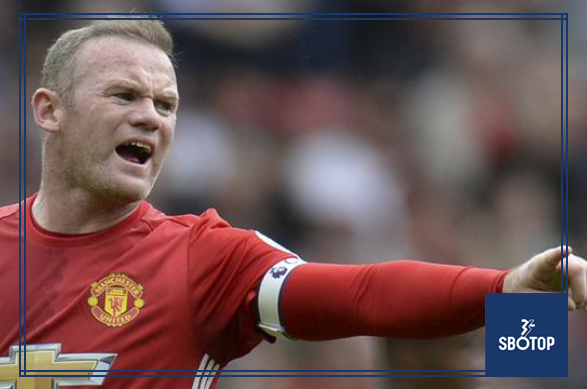
Wayne Rooney has recently opened up about his long and painful struggle with alcohol addiction during his record-breaking playing career at Manchester United. The former England captain’s candid admission has reignited discussion about a long-standing issue within football—one that, despite greater awareness, has not fully disappeared.
Rooney’s testimony serves as a powerful reminder that even the most successful athletes can suffer in silence, battling personal challenges far removed from the roar of stadium crowds and the glare of global attention.
Wayne Rooney’s Honest Confession
In a revealing account, Rooney described a cycle of heavy drinking that coexisted with elite performance on the pitch—an unsettling contrast that highlights the hidden pressures faced by top-level footballers.
“I would drink for two days straight, turn up to training, then score two goals at the weekend,” Rooney said. “After that, I would go back and drink for another two days.”
The former striker admitted that those moments represented some of the darkest periods of his life.
“That was a time when I was really struggling with alcohol. I was struggling badly, and I didn’t think I could ask anyone for help,” Rooney explained. “I didn’t want to do it because I didn’t want to burden anyone else.”
Despite winning trophies, breaking records, and becoming one of Manchester United’s greatest ever players, Rooney was privately fighting a battle that few around him truly understood.
A Culture That Once Normalised Excess
Rooney’s story reflects a broader football culture that, particularly in earlier generations, often normalized heavy drinking. Success on the pitch sometimes masked destructive habits away from it, allowing problems to grow unnoticed.
While modern football has become more professional, with strict fitness and lifestyle demands, Rooney’s admission suggests that mental health and substance-related struggles can still exist beneath the surface.
His willingness to speak openly now has been widely praised for helping reduce stigma and encouraging current players to seek support before issues escalate.
Alcohol and Football: A Persistent Issue
Rooney’s confession resonates strongly with those working in player welfare today. Jeff Whitley, a player welfare executive and counsellor at the Professional Footballers’ Association (PFA), told ESPN that Rooney’s experiences still reflect challenges faced by footballers in the modern era.
Whitley cited concrete data. During the 2024/25 season, the PFA conducted more than 1,500 welfare assessments across English football, covering the Premier League, the English Football League (EFL), and the Women’s Super League (WSL).
Around 13 percent of players identified alcohol as a concern that required attention.
“They may not always go out and party as wildly as players did in the 1990s,” Whitley said. “But the key thing is understanding how they drink and what they personally consider to be uncontrolled alcohol use.”
Changing Patterns, Similar Risks
According to Whitley, the modern footballer’s relationship with alcohol has changed, but the risks remain.
“Some players might be binge drinkers,” he explained. “They may only drink once or twice a month, but when they do, it’s excessive.”
This pattern can be just as damaging, particularly when combined with the physical demands and mental pressures of professional sport. Whitley emphasized that problem drinking is not always about frequency, but about control and impact on wellbeing.
Jeff Whitley’s Personal Journey
Whitley’s credibility comes not just from his professional role, but from his own lived experience. Now 46, he made more than 300 senior appearances during a career that included spells at Manchester City, Wrexham, Sunderland, and the Northern Ireland national team.
However, during his twenties, Whitley struggled severely with alcohol and drug addiction. He went bankrupt and spent time in rehabilitation at the Sporting Chance clinic, a charity that has supported numerous athletes facing similar battles.
His story mirrors many of the challenges Rooney described—success on the pitch combined with chaos away from it.
Football’s Drinking Culture in the 1990s
Reflecting on his playing days, Whitley admitted that football’s culture during the 1990s played a significant role in his downfall.
“No one came into clubs to talk about these issues when I was playing,” he said. “I was in a City squad where messages from senior players were basically, ‘If you don’t drink, you won’t be a footballer.’”
At just 17 years old, Whitley felt pressure to conform.
“I was terrible with alcohol at that age, so I did what I thought a good professional should do—I trained hard because I desperately wanted to succeed,” he added.
The lack of structured support meant players were often left to navigate serious personal issues alone.
A More Supportive Era for Today’s Players
Whitley believes the situation has improved significantly. Today, players struggling with alcohol addiction can access confidential support through the PFA, including counselling, peer mentoring, and rehabilitation pathways.
“There is help now,” Whitley said. “Players don’t have to go through this on their own anymore.”
Rooney’s openness, combined with improved welfare systems, represents a shift toward greater honesty and compassion in football. However, both Rooney and Whitley agree that continued vigilance is necessary.
Rooney’s Admission Sparks Wider Reflection
Wayne Rooney’s confession is not just about his past—it is a wake-up call for football as a whole. It challenges the myth that success and personal wellbeing always go hand in hand and highlights the importance of support structures at every level of the game.
As football continues to evolve, stories like Rooney’s remind fans, clubs, and governing bodies that mental health and addiction remain real issues—even for the sport’s biggest icons.
ALSO READ :