Xabi Alonso is already walking a tightrope in his early months as head coach of Real Madrid. The Spanish tactician only arrived at the Santiago Bernabéu last summer, hailed as the face of a new era built on modern ideas and youthful energy. Yet behind the scenes, a crucial disagreement between Alonso and the club’s hierarchy may have planted the seeds of Madrid’s current struggles.
Newly revealed details suggest that even before Alonso officially took charge, Real Madrid rejected one of his most important requests: keeping club legend Luka Modrić for at least one more season. That decision, once seen as a logical step toward renewal, is now increasingly viewed as a turning point that has left Los Blancos exposed.
Modrić Wanted to Stay, Alonso Backed Him Fully
According to reports from Spanish outlet El Mundo, Modrić had no intention of leaving Madrid when his contract approached its end. The Croatian midfielder, fully aware of his age and changing role, was prepared to make sacrifices to remain at the club he has served with distinction for over a decade.
Modrić reportedly offered a significant wage reduction, accepting a rotational role if necessary. His priority was clear: one final season at Real Madrid, helping guide a new generation both on and off the pitch.
Crucially, Alonso shared that vision. Having played alongside Modrić during their time together at Madrid, Alonso understood better than most what the veteran brought beyond statistics. Leadership, composure, and an unmatched understanding of high-pressure moments were qualities Alonso believed the squad still desperately needed.
Sources close to the situation claim Alonso personally urged the board to approve a short-term extension, framing Modrić as a bridge between eras rather than an obstacle to progress.
A Firm Rejection from the Board
Despite the coach’s plea, Real Madrid’s response was decisive and uncompromising. The club hierarchy rejected the proposal outright, making it clear that the Modrić chapter was over.
The refusal reportedly came before Alonso had even conducted his first training session, underlining how strongly the board felt about their long-term strategy. There would be no exceptions, no sentimental extensions, and no deviation from the club’s youth-first vision.
For Alonso, the message was stark. While he was entrusted with shaping the team tactically, the broader sporting direction had already been set—and it did not include Modrić.
A Calculated Gamble on Youth
From Madrid’s perspective, the logic seemed sound. The club believed its midfield succession plan was already complete. Players like Aurélien Tchouaméni and Eduardo Camavinga were considered mature enough to assume full responsibility.
Meanwhile, Federico Valverde had established himself as a leader through intensity and versatility, while Arda Güler was earmarked as a long-term creative force.
In that context, Modrić was viewed as surplus to requirements. The concern was that his presence, even in a reduced role, might slow the development of younger midfielders and blur the hierarchy Alonso was meant to establish.
Real Madrid chose to bet fully on youth, convinced that the future had to begin immediately rather than gradually.
The Cost of Letting Go
Months on, that gamble is being questioned. Real Madrid have looked disjointed in midfield, particularly in matches where control, patience, and experience are required. Alonso’s side has struggled to manage tempo, protect leads, and respond calmly when games turn against them.
The absence of Modrić has been felt most acutely in intangible areas. Without him, the dressing room lacks a calm authority figure who has “seen it all.” When pressure mounts, Madrid’s young midfield often appears rushed and emotionally reactive.
At present, only Thibaut Courtois and Dani Carvajal remain as true senior voices in the squad. While both are respected leaders, neither occupies the central, tempo-setting role Modrić once held.
Irony as Modrić Thrives Elsewhere
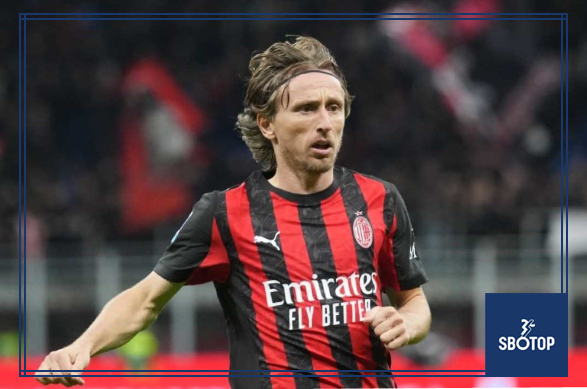
Adding to Madrid’s discomfort is Modrić’s resurgence away from Spain. Now wearing the colors of AC Milan, the Croatian has delivered a series of commanding performances, reminding everyone of his enduring class.
At Milan, Modrić has embraced a leadership role similar to the one Alonso envisioned at Madrid—guiding younger teammates, dictating rhythm, and rising in decisive moments. His form has only amplified the sense that Madrid may have let go too soon.
For Madrid supporters, the irony is painful. The player deemed unnecessary now embodies precisely what the current squad appears to be missing.
Pressure Mounts on Alonso
While the decision was not Alonso’s, its consequences are landing squarely on his shoulders. As results fluctuate, scrutiny of his tactical approach and man-management is intensifying.
Internally, there is growing recognition that denying Alonso’s request may have undermined his project before it truly began. A transitional figure like Modrić could have eased the shift toward a younger core, both tactically and psychologically.
Instead, Alonso has been left to navigate a high-pressure environment with a squad still learning how to lead itself.
A Lesson for Real Madrid?
Whether Madrid ultimately recover remains to be seen, but the Modrić saga already stands as a cautionary tale. Renewal is essential in elite football, yet timing and balance matter just as much as vision.
By rejecting Alonso’s plea and closing the door on Modrić entirely, Real Madrid chose a clean break. What they did not anticipate was how sharply the absence of experience would be felt.
As Los Blancos search for stability, one question lingers over the Bernabéu: was letting Luka Modrić go the right decision—or the moment everything began to unravel?
ALSO READ :