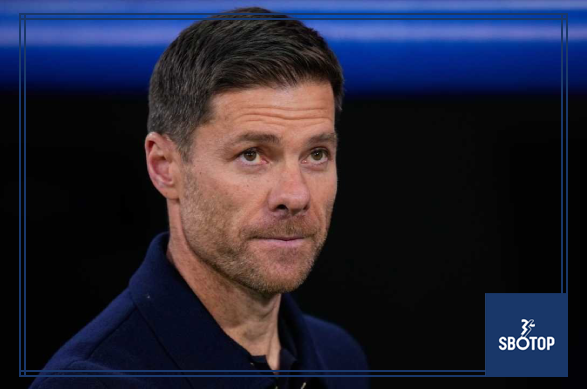
Xabi Alonso is facing one of the most demanding phases of his managerial career as pressure begins to mount at Real Madrid. After an impressive start to the season, performances have dipped, results have become inconsistent, and scrutiny at the Santiago Bernabéu has intensified.
At a club where expectations are relentlessly high, any downturn in form inevitably fuels speculation—not only about tactics and team selection, but also about the long-term future of the head coach. Now, insight from one of Alonso’s former teammates has shed light on what may be the true source of his current struggles.
A Dream Start That Turned Into Growing Pressure
When Xabi Alonso was appointed as Real Madrid’s head coach in May, optimism surged among supporters and pundits alike. The former midfield maestro wasted no time making an impact, guiding Los Blancos to 13 wins from his first 14 matches across all competitions.
High-profile victories over Villarreal, Barcelona, and Marseille painted a picture of a seamless transition from player to elite-level manager. Madrid looked balanced, disciplined, and ruthless—hallmarks of Alonso’s footballing philosophy.
However, that momentum proved difficult to sustain. Over the following 11 matches, Madrid managed just five wins. Draws against Rayo Vallecano, Elche, and Girona slowed their title charge, allowing Barcelona—now under Hansi Flick—to overtake them at the top of the La Liga table.
The situation worsened in Europe. Defeats to Liverpool and Manchester City left Real Madrid languishing in seventh place in the Champions League standings, an unfamiliar and uncomfortable position for a club accustomed to continental dominance.
Star Power, Selection Calls, and Dressing Room Tension
As results began to falter, attention turned to Alonso’s management of Madrid’s star-studded squad. On one hand, Kylian Mbappé has been nothing short of sensational, scoring 29 goals in 24 appearances and quickly becoming the focal point of Madrid’s attack.
On the other, Vinícius Júnior has found himself in and out of the starting lineup—a situation that has not gone unnoticed. The tension reached a peak during October’s El Clásico, when Vinícius was substituted in Madrid’s dramatic 2–1 victory over Barcelona.
Broadcast footage captured by DAZN revealed the Brazilian winger venting his frustration directly toward Alonso. “It’s always me! I’m the one who comes off! I should just leave—I’m going,” Vinícius was heard saying as he left the pitch.
The incident sparked widespread debate, with Vinícius later issuing an apology to Madrid supporters for his reaction. Alonso, for his part, played down the episode, insisting that his relationship with the winger remained strong and professional.
Fabregas Identifies the Real Problem
According to Cesc Fàbregas, Alonso’s biggest challenge has little to do with tactics or results. Instead, it lies in managing the egos inside one of the most demanding dressing rooms in world football.
Speaking in a documentary examining Alonso’s career, Fàbregas offered a blunt assessment of life inside the Real Madrid squad.
“They are all very good players. They all deserve to play. They all feel they should play,” Fàbregas said. “They all have to make a difference. They are all worth €50 million. They all play for their national teams. Managing something like this is, of course, the hardest part.”
Fàbregas’ comments underline a unique challenge at Real Madrid: almost every player arrives as a star, accustomed to being central to their previous teams. Balancing minutes, roles, and expectations becomes a daily test of authority and communication.
Leadership Under the Spotlight
That view was echoed by former Liverpool and Spain goalkeeper Pepe Reina, another longtime teammate of Alonso. Reina acknowledged the difficulty of handling a dressing room filled with elite personalities but praised Alonso’s character.
“It’s not easy, especially in a dressing room like this,” Reina said. “But Xabi has no problem looking you in the eye and telling you the truth.”
Such directness may prove crucial as Alonso navigates the current storm. At Real Madrid, success is not only measured by trophies but also by how effectively a coach manages relationships with world-class players who all expect to start.
More Than a Tactical Test
Alonso’s situation highlights a broader truth about elite management. Coaching Real Madrid is rarely about reinventing football—it is about managing stars, expectations, and pressure on a daily basis. Tactical acumen is essential, but emotional intelligence often proves decisive.
While Alonso’s footballing ideas remain highly regarded, the coming months may define his tenure. Restoring consistency on the pitch while maintaining harmony off it will be key if Madrid are to reclaim momentum in La Liga and Europe.
A Defining Period Ahead
For now, Xabi Alonso remains trusted by the club hierarchy, but history at the Bernabéu shows that patience can be limited. Results, reactions from players, and dressing room unity will all be closely monitored.
If Alonso can successfully navigate this ego-filled environment and reassert control, his early promise may yet evolve into long-term success. If not, the pressure cooker that defines Real Madrid management could intensify further—turning a challenging period into a defining crossroads for one of football’s most respected young coaches.
ALSO READ :