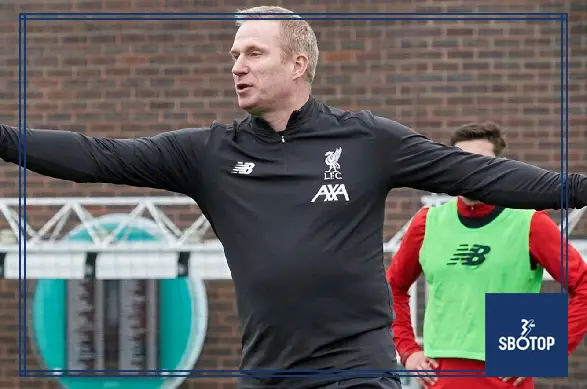
Arsenal Football Club has taken a strategic step to enhance their attacking set-piece options by enlisting the expertise of Thomas Gronnemark, a specialist in long throws. Known for his work with Liverpool and Brentford, Gronnemark has built a reputation as one of the world’s foremost throw-in coaches, helping teams turn what is often an overlooked aspect of football into a powerful attacking weapon.
In modern football, marginal gains can make the difference between victory and defeat, and Arsenal’s decision to bring in Gronnemark reflects their ambition to leave no stone unturned. Long throws, though sometimes considered a minor tactic, have proven crucial in tight games where space is limited and conventional attacking methods are insufficient. Gronnemark’s arrival suggests a forward-thinking approach by the Gunners, one that emphasizes precision, creativity, and tactical innovation.
The Role of Long Throws in Modern Football
Historically, long throws have been a niche aspect of football strategy. Few teams have specialized coaches to optimize this skill, yet the impact of an effective long throw can be immense. When executed correctly, long throws can act like a corner kick, creating immediate scoring opportunities by delivering the ball into dangerous areas within the opposition’s penalty box. Thomas Gronnemark methods focus on biomechanics, technique, and tactical variation. His approach is scientific, emphasizing the optimal angle, trajectory, and spin to make long throws difficult to defend. Players trained under him are able to convert throw-ins into set-piece opportunities with far greater consistency, turning a routine restart into a goal-scoring threat.
At clubs like Liverpool and Brentford, Gronnemark’s techniques have led to measurable improvements. Long throws have created numerous scoring chances, demonstrating that even small, seemingly minor improvements can significantly influence match outcomes.
Arsenal’s Tactical Ambitions
Under the current management, Arsenal has been committed to a style that blends fluid attacking play with tactical discipline. While possession and build-up play remain central to their approach, adding a potent long-throw strategy can provide an alternative method to break down compact defenses.
Gronnemark’s expertise allows Arsenal to diversify their attacking arsenal. In matches against defensively solid teams, long throws offer a direct route to goal, bypassing congested midfield areas. This adaptability is vital in high-stakes competitions like the Premier League and European tournaments, where opponents increasingly prepare to counter Arsenal’s conventional attacking patterns.
By integrating long throws into their tactical framework, Arsenal aims to:
- Increase Set-Piece Threat: Complement existing corner and free-kick strategies.
- Exploit Physical Advantages: Utilize taller or stronger players in aerial duels during throws.
- Create Defensive Uncertainty: Force opponents to mark for throws in addition to open-play threats.
- Enhance Game Management: Provide a controlled yet aggressive approach during tightly contested matches.
The appointment of Gronnemark signals a commitment to detail and a recognition that innovation in football often comes from maximizing small advantages.
Thomas Gronnemark A Specialist’s Journey
Thomas Gronnemark is not your conventional coach. A former athlete himself, his understanding of biomechanics, physics, and sports science has allowed him to refine long throws into a replicable skill set. He has worked with several elite clubs, including Liverpool and Brentford, and his methods have been credited with creating tangible offensive benefits.
At Liverpool, Gronnemark helped players like throw-in specialists develop techniques that led directly to goals and assists. At Brentford, his influence contributed to a team that often overachieved in aerial duels and set-piece situations. Gronnemark’s reputation is built on the combination of analytical insight, individualized training, and innovative practice drills that improve accuracy and power without sacrificing control.
His sessions typically focus on:
- Biomechanical Precision: Ensuring optimal shoulder rotation, wrist flick, and release angle.
- Aerial Targeting: Training throw-ins to specific zones in the opposition’s penalty area.
- Variation Drills: Practicing different types of throws to prevent predictability.
- Team Coordination: Aligning throw-ins with movement patterns of forwards and midfielders.
Players trained under him often report increased confidence in executing long throws under pressure, making it a tactical tool rather than a last-resort option.
Why Long Throws Matter for Arsenal
Arsenal possesses several players capable of leveraging long throws effectively. Taller forwards and midfielders who excel in aerial duels can be positioned to attack the ball directly from throw-ins. Additionally, the element of surprise can be significant; while most teams prepare for free kicks and corners, fewer anticipate expertly executed long throws.
By integrating Gronnemark’s methodology, Arsenal aims to:
- Transform Routine Restarts: Turn ordinary throw-ins into scoring opportunities.
- Diversify Offensive Threats: Force opposing defenses to allocate resources to defend against long throws.
- Capitalize on Physicality: Utilize aerially dominant players in the box to maximize threat.
- Enhance Tactical Flexibility: Offer an alternative attack in matches where passing lanes are congested.
Historically, clubs that have utilized long throws effectively—such as Stoke City during the Tony Pulis era—demonstrated that this often-overlooked tactic can determine results in tight matches. Arsenal’s ambition is to implement a more refined and precise version of this strategy.
Implementation Challenges
While long throws offer clear benefits, their integration into an existing tactical system requires careful planning. Arsenal will need to train players not only in the mechanics of the throw itself but also in coordinated movement, timing, and decision-making within the attacking unit.
Key challenges include:
- Player Adaptation: Ensuring that players adjust their runs and positioning to exploit long throws.
- Consistency: Developing the ability to execute throws effectively under match pressure.
- Defensive Awareness: Balancing attacking throws with the risk of counter-attacks
- Set-Piece Coordination: Aligning long throws with existing corner and free-kick routines to maximize overall effectiveness.
Thomas Gronnemark’s expertise is critical here, as his training methods combine physical mechanics with tactical awareness, allowing players to execute long throws confidently while maintaining team structure.
Early Signs of Impact
Although Gronnemark’s role is newly introduced at Arsenal, early reports from training sessions suggest positive results. Players are demonstrating improved accuracy and decision-making during practice, with forwards making more intelligent runs into key areas of the penalty box.
The coaching staff has also noted increased confidence among players during throw-in scenarios, with a greater willingness to attempt longer, more aggressive throws into threatening positions. Such improvements may not always be immediately visible in matches, but over time, they can become a decisive factor in tight contests.
Comparisons with Past Long Throw Experts
Throughout football history, certain players and coaches have been renowned for long-throw mastery. Rory Delap, for example, became famous at Stoke City for turning throw-ins into a major offensive weapon. Similarly, Liverpool and Brentford benefited from Gronnemark’s scientific approach to throw-in technique.
Arsenal’s adoption of this expertise represents a continuation of this trend, applying modern sports science to enhance performance. By formalizing long throw training, the Gunners aim to gain a competitive edge that may be subtle but significant over the course of a season.
Strategic Benefits Beyond Goals
Long throws are not just about scoring. They can also create psychological pressure on opponents, forcing defenders to constantly track movements, anticipate aerial threats, and adjust their marking strategy. This can open up space elsewhere on the field, making Arsenal’s attack more unpredictable.
Moreover, long throws can help Arsenal maintain momentum in matches where passing options are limited, particularly against compact defensive teams. By turning a simple throw-in into a dynamic attacking opportunity, the Gunners can dictate tempo, control space, and exploit opposition weaknesses.
Fan and Media Reaction
The appointment of Thomas Gronnemark has been met with curiosity and optimism by Arsenal supporters. Fans recognize that marginal gains, like improving long throws, reflect a meticulous and forward-thinking approach by the coaching staff. Media coverage has highlighted the move as evidence of Arsenal’s attention to detail and desire to maximize every aspect of their game.
Analysts suggest that while long throws alone will not define Arsenal’s season, they can be the difference in close matches, particularly in domestic cups and European competitions where narrow margins often decide outcomes.
The Future Outlook
As Arsenal continues their campaign under the current coaching structure, the integration of Thomas Gronnemark’s expertise will likely have several long-term impacts:
- Improved Set-Piece Efficiency: Increasing the number of scoring opportunities from throw-ins.
- Enhanced Tactical Versatility: Offering managers alternative strategies when conventional build-up play is insufficient.
- Player Development: Elevating individual skill sets in both mechanics and decision-making during throw-in situations.
- Competitive Advantage: Utilizing a relatively underexplored tactic to surprise and challenge opponents.
If successfully implemented, long throws could become a distinctive feature of Arsenal’s attacking identity, complementing their possession-based and high-intensity style.
Also Read: