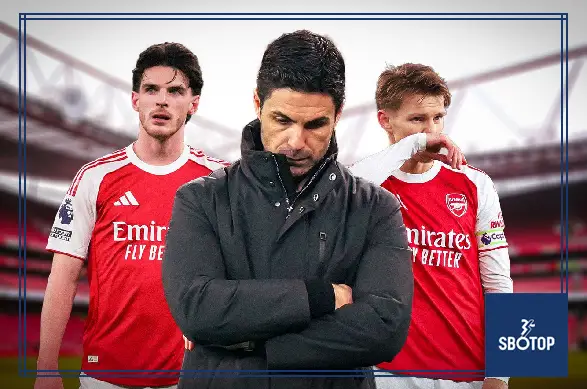
Arsenal’s resurgence under Mikel Arteta has been one of the Premier League’s most compelling stories in recent seasons. From a rebuilding side struggling for identity to genuine title contenders, the Gunners have rediscovered belief, structure, and ambition. Yet with progress comes pressure. As Arsenal push deeper into a Premier League title race, cracks—both tactical and psychological—have begun to surface. The spotlight at the Emirates is growing brighter, and Arteta now faces the most demanding phase of his managerial tenure.
This season was meant to be the culmination of a long-term project. Arsenal entered the campaign with momentum, cohesion, and a squad carefully shaped in Arteta’s image. But sustaining a title challenge in England’s most unforgiving league requires more than talent and ideology—it demands resilience, adaptability, and flawless execution under pressure. As results tighten and margins narrow, Arsenal’s flaws are being examined with renewed intensity.
From Rebuilders to Believers
Arteta’s transformation of Arsenal deserves recognition. When he arrived, the club was fractured—tactically confused, mentally fragile, and drifting from its elite standards. Through disciplined recruitment, a clear playing philosophy, and trust in young players, Arteta rebuilt Arsenal’s foundations.
High-pressing football, positional discipline, and an emphasis on control became hallmarks of the team. The Emirates, once subdued, regained its intensity as fans reconnected with a side that reflected ambition and identity. Arsenal were no longer chasing relevance; they were chasing titles.
However, belief brings expectation, and expectation brings scrutiny. Arsenal are no longer judged by progress—they are judged by outcomes.
The Weight of a Title Race
A title challenge introduces a unique psychological burden. Every dropped point feels magnified. Every tactical misstep invites debate. For Arsenal, the pressure has become increasingly visible in tight matches where composure, not creativity, becomes decisive. Arteta’s young squad has shown moments of tension in crucial fixtures. Leads have been surrendered. Control has slipped in key moments. While these are natural growing pains, they raise questions about whether Arsenal possess the mental robustness required to outlast seasoned rivals over a 38-game campaign.
Championship-winning teams thrive in uncomfortable moments. Arsenal are learning, sometimes painfully, what that requires.
Tactical Rigidity Under Scrutiny
One of Arteta’s strengths—his tactical clarity—has also become a point of criticism. Arsenal’s system relies heavily on precision: inverted full-backs, structured build-up patterns, and positional discipline. When executed well, it suffocates opponents. When disrupted, it can appear inflexible.
Opposing teams have increasingly targeted Arsenal’s build-up, pressing aggressively and forcing turnovers in dangerous areas. In some matches, Arsenal have struggled to adjust mid-game, raising questions about tactical adaptability.
Arteta’s commitment to his philosophy is admirable, but title races often reward managers who can compromise when necessary. The challenge lies in balancing identity with pragmatism.
Midfield Control and Physical Battles
Arsenal’s midfield has been central to their rise—and to their current challenges. Control of tempo is vital in a title race, particularly against physically dominant sides. While technically gifted, Arsenal have occasionally been outmuscled or outpaced in midfield duels, leading to defensive exposure.
In matches where Arsenal fail to impose rhythm, their defensive structure becomes vulnerable. Transitions—once managed efficiently—have grown riskier, placing strain on the back line.
Arteta’s selection decisions in midfield are now under intense scrutiny. Finding the right balance between control, physicality, and creativity remains one of his most pressing dilemmas.
Squad Depth and Fatigue
A long title challenge exposes the limits of squad depth. Injuries, fixture congestion, and fatigue inevitably test rotation strategies. Arsenal’s core players have logged heavy minutes, and dips in performance have coincided with periods of intense scheduling.
While Arteta has built a strong starting XI, reliance on certain individuals has raised concerns. Rotation, once viewed as a luxury, becomes a necessity when competing on multiple fronts.
Managing workload without disrupting chemistry is a delicate act—one that can define a title race.
The Psychological Test of Expectation
Perhaps the greatest challenge facing Arsenal is psychological. Leading or chasing in a title race requires emotional discipline. Young teams often struggle with the fear of failure just as much as the desire to succeed.
There have been moments where Arsenal appear burdened by expectation—hesitant in front of goal, cautious when leading, anxious when chasing. These are subtle signs, but they reveal the human dimension of elite sport.
Arteta’s role extends beyond tactics. He must manage belief, confidence, and focus across a squad navigating uncharted territory.
Arteta’s Leadership Under the Microscope
Mikel Arteta is no longer the promising apprentice; he is a manager expected to deliver. His touchline intensity, once energizing, is now interpreted through the lens of pressure. Every decision—substitutions, formations, press conferences—is dissected.
Leadership during adversity defines managerial legacy. Arteta’s ability to shield players from external noise while demanding internal accountability will be critical. So too will his willingness to evolve, learn, and adapt under scrutiny.
The next phase of his journey will test not only his footballing intellect but his emotional intelligence.
The Role of the Emirates Crowd
The Emirates Stadium has transformed into a fortress of belief, but expectation can be double-edged. Home crowds fuel momentum, yet tension can ripple through stands when results wobble.
Maintaining a positive feedback loop between players and supporters is crucial. Arteta has often emphasized unity, understanding that collective belief can be decisive in tight moments.
A title race is as much about atmosphere as ability.
Lessons from Rivals
Arsenal’s rivals offer valuable lessons. Championship-winning sides often combine style with ruthlessness, flair with control. They manage difficult games without brilliance, grinding results when performance falters.
For Arsenal, learning how to win ugly—how to protect narrow leads, manage game tempo, and exploit moments—may determine whether their title dream survives the season’s final stretch.
Opportunity Hidden in Adversity
Pressure exposes weaknesses, but it also accelerates growth. Arsenal’s challenges are not signs of failure; they are evidence of progress. The club is operating at a level where mistakes matter because success is within reach.
Arteta’s project was never linear. Moments of doubt are part of the journey. How Arsenal respond now will shape their identity for years to come.
The pressure mounting at the Emirates is the cost of ambition. Arsenal are no longer spectators in the title conversation—they are participants, expected to deliver under the brightest lights.
Mikel Arteta’s challenges are real: tactical flexibility, mental resilience, squad management, and leadership under scrutiny. Yet so is the opportunity. Navigating this phase successfully would not only validate Arsenal’s rise but establish Arteta among the Premier League’s elite managers.
The title dream is being tested—not broken. Whether Arsenal emerge stronger or stumble will depend on their ability to embrace pressure, adapt intelligently, and believe deeply in the journey they have begun.
Also Read: