The death of former footballer Gordon McQueen has reignited a global conversation about the long-term health consequences of professional football, particularly the repeated heading of the ball. A coroner’s finding that heading “likely” contributed to the brain injury that led to McQueen’s death represents a landmark moment in the intersection between sport, medicine, and accountability. It not only provides closure for a grieving family but also raises urgent questions about player safety, historical responsibility, and the future of football itself.
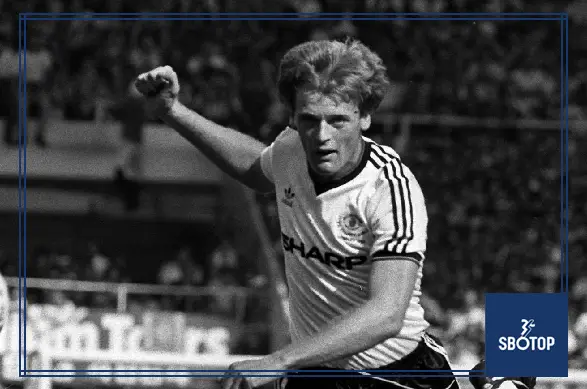
McQueen, a revered defender known for his aerial dominance, was emblematic of an era when heading was not just a skill but a badge of courage. That very attribute, once celebrated, is now under scrutiny as scientific understanding of brain injury evolves. The coroner’s conclusion does not exist in isolation; it forms part of a growing body of evidence linking repetitive head impacts to neurodegenerative disease.
A Career Built on Aerial Strength
Gordon McQueen’s footballing career was defined by physicality, bravery, and consistency. As a central defender, he was frequently involved in aerial duels, clearing long balls, defending set pieces, and attacking crosses. In an era of heavier footballs and more direct play, defenders like Gordon McQueen headed the ball dozens of times per match, often without any protective guidance or medical oversight.
At the time, heading was regarded as an essential skill, particularly for defenders. Training sessions routinely involved repetitive heading drills, with little consideration for cumulative impact. There was no concept of load management for the brain, no concussion protocols, and no awareness of sub-concussive blows. What mattered was winning the ball and protecting the goal.
McQueen excelled in this environment. His aerial ability earned him admiration, selection, and success. Yet decades later, those same qualities would become central to understanding the deterioration of his health.
The Coroner’s Findings
The coroner’s ruling marked a significant development in the legal and medical recognition of sports-related brain injury. After reviewing medical evidence, expert testimony, and McQueen’s playing history, the coroner concluded that repetitive heading was “likely” a contributing factor to the brain injury that ultimately led to his death.
Importantly, the finding did not suggest that heading was the sole cause, nor did it imply intent or negligence by individuals. Instead, it acknowledged a probable link between sustained exposure to head impacts and the development of neurodegenerative disease.
This language—carefully measured yet profound—carries weight. It represents official recognition that routine aspects of football, long considered harmless, may carry serious long-term risks.
Understanding Brain Injury in Football
Brain injury in football is rarely the result of a single traumatic incident. Instead, growing research suggests that cumulative exposure to repeated low-level impacts—often referred to as sub-concussive blows—can cause progressive damage over time.
Heading the ball involves rapid acceleration and deceleration of the brain within the skull. While each individual impact may not cause immediate symptoms, the accumulation over years and decades can lead to structural and biochemical changes in the brain.
Conditions such as chronic traumatic encephalopathy (CTE), dementia, and other neurodegenerative diseases have been observed at higher rates among former professional footballers, particularly those who played in defensive positions.
McQueen’s case adds to a troubling pattern that is increasingly difficult to ignore.
A Family’s Long Campaign for Answers
Behind the coroner’s finding lies a long and painful journey for McQueen’s family. As his health declined, they witnessed firsthand the devastating effects of brain injury—memory loss, personality changes, and cognitive deterioration.
For years, they sought clarity and accountability, not out of anger, but out of a desire for understanding and prevention. Their campaign has been marked by dignity and persistence, pushing institutions to confront uncomfortable truths.
The coroner’s conclusion offers a measure of validation. It confirms that the suffering McQueen endured was not random or inexplicable, but likely connected to the very career that defined his life.
Football’s Historical Blind Spot
For much of its history, football lacked meaningful engagement with brain health. Unlike other injuries, head impacts were normalized and even celebrated. Players were praised for bravery when heading the ball repeatedly, often through pain or dizziness.
Medical understanding lagged behind tradition. Clubs, associations, and governing bodies operated within the knowledge of their time, but the absence of curiosity and caution had consequences. Protective measures were minimal, and long-term monitoring was virtually nonexistent.
McQueen’s case underscores how systemic this blind spot was—and how its effects are only now becoming fully visible.
The Modern Game’s Response
In recent years, football authorities have begun to respond. Guidelines limiting heading in youth training, enhanced concussion protocols, and increased funding for neurological research represent steps in the right direction.
However, critics argue that these measures remain insufficient. Professional players still head the ball frequently, and return-to-play decisions continue to generate debate. The sport faces the challenge of balancing tradition, entertainment, and safety.
The coroner’s finding adds urgency to these discussions. It shifts the conversation from theoretical risk to documented consequence.
Legal and Ethical Implications
While the coroner’s ruling does not assign blame, it carries potential legal implications. It strengthens the case for former players and families seeking recognition, compensation, or reform. It also raises ethical questions about duty of care and informed consent.
Players like McQueen did not have access to modern medical knowledge. They could not make fully informed decisions about the risks they were taking. This reality complicates discussions about responsibility and redress.
Football institutions must now grapple with how to honor past players while protecting current and future generations.
The Cultural Challenge of Change
One of football’s greatest obstacles to reform is cultural resistance. Heading is deeply embedded in the sport’s identity. Removing or significantly limiting it challenges long-held assumptions about what football is and how it should be played.
Yet culture is not static. The game has evolved before—rules have changed, equipment has improved, and attitudes toward injury have shifted. Brain health may represent the next frontier of that evolution.
McQueen’s story humanizes this challenge, turning abstract debate into lived experience.
What This Means for Young Players
Perhaps the most important implication of the coroner’s finding lies in youth football. Children’s brains are still developing, making them potentially more vulnerable to injury. Limiting heading at younger ages is not about weakening the game, but about safeguarding long-term health.
Education will be key. Coaches, parents, and players must understand that prevention is not fear-driven but evidence-based. The goal is not to eliminate football’s joy, but to ensure it does not come at an unacceptable cost.
A Moment of Reckoning for the Sport
Gordon McQueen’s death, and the coroner’s conclusion that followed, represents a moment of reckoning. It forces football to confront the unintended consequences of its traditions and to acknowledge the human cost behind the spectacle.
This is not an indictment of the past, but a call to responsibility in the present. The sport now has the opportunity—and obligation—to learn, adapt, and lead.
Legacy Beyond the Pitch
McQueen’s legacy is no longer defined solely by clean headers and commanding performances. It now includes a broader contribution: advancing awareness of brain health in football.
Through his story, difficult conversations are happening. Research is being funded. Policies are being reviewed. If meaningful change follows, his impact on the game may extend far beyond his playing days.
Also Read:
- SBOTOP Pressure Mounts at the Emirates: Analysing Mikel Arteta’s Challenges as Arsenal’s Title Dream Is Tested
- SBOTOP: Man Utd Faces Managerial Dilemma as Michael Carrick’s Early Wins Over City and Arsenal Raise Expectations
- SBOTOP : Carrick Proves Rúben Amorim’s Manchester United Period Didn’t Deliver Results