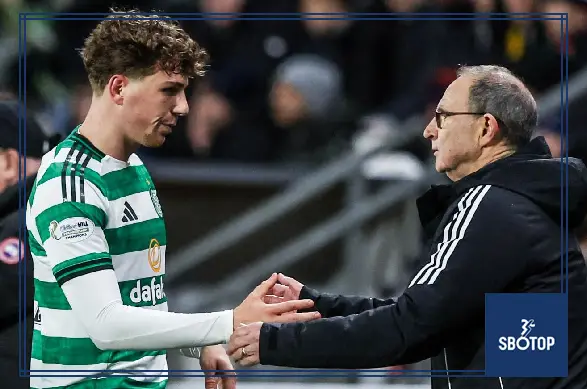
For Martin O’Neill, Celtic is more than a club—it is a chapter of footballing identity shaped by pressure, triumph, and relentless expectation. As discussions around a possible return to Parkhead continue to circulate, O’Neill has offered candid reflections on the emotional weight of coming back, concerns surrounding recruitment under Paul Tisdale, and Celtic’s urgent need to reassert dominance in the Scottish Premiership amid a rising challenge from Hearts.
His words provide rare insight into a figure whose legacy remains deeply woven into Celtic’s modern history, while also shining a light on the club’s present crossroads.
The Emotional Weight of a Celtic Return
A return to Celtic is not a simple homecoming for Martin O’Neill—it is a psychological challenge. He openly acknowledges the nerves that would accompany stepping back into a role surrounded by towering expectations.
Celtic Park is a place where memory lingers. Successes are celebrated endlessly, but comparisons are inevitable. O’Neill understands that returning would mean being measured not just against rivals, but against his own past achievements.
“Nerves are natural,” O’Neill has suggested. “When you care deeply about a club, the fear of falling short matters as much as the desire to succeed.”
That honesty reflects a manager acutely aware of how nostalgia can collide with modern football realities.
Celtic Then and Now A Changed Landscape
Football has evolved dramatically since O’Neill last stood in the Celtic dugout. Recruitment models, data analysis, and squad rotation strategies now play a far greater role than instinct alone.
O’Neill has spoken about how Celtic today is structurally different—leaner, more analytical, and often constrained by financial pragmatism. While adaptation is necessary, he questions whether the club’s recruitment philosophy has always aligned with its ambitions.
In his view, Celtic’s identity must remain proactive rather than reactive, especially in a league where dominance is expected rather than celebrated.
Recruitment Under the Microscope
One of O’Neill’s most notable concerns centers on recruitment, particularly under Paul Tisdale’s oversight. While he stops short of outright criticism, O’Neill admits that recent recruitment has at times appeared “unconvincing.”
For him, recruitment is not about volume—it is about purpose.
“You must know why you are signing a player,” O’Neill has emphasized. “Not just what they can do, but how they elevate the team.”
He suggests that Celtic’s recent transfer strategy has occasionally lacked coherence, with signings failing to immediately strengthen key areas or adapt quickly to the club’s demands.
The Celtic Standard Never Changes
O’Neill is adamant that Celtic’s expectations should never be diluted, regardless of economic realities or transitional phases. He believes recruitment must always reflect the club’s need to dominate domestically and compete credibly in Europe.
In his era, signings were often made with immediate impact in mind. Today’s long-term development approach has merit, but O’Neill warns that patience must not become complacency.
For Celtic, second-best is never an acceptable outcome.
Hearts From Chasers to Challengers
Perhaps the most pressing concern for O’Neill is the growing competitiveness of Hearts. Once viewed as distant challengers, Hearts have evolved into a disciplined, ambitious side capable of unsettling the traditional power balance.
O’Neill acknowledges that Hearts’ progress is no accident. Strong leadership, smart recruitment, and tactical discipline have turned them into genuine contenders.
“Closing the gap on Hearts isn’t about panic,” O’Neill explains. “It’s about authority—reminding teams who sets the standard.”
Respecting Rivals Without Losing Identity
O’Neill believes Celtic must respect Hearts’ rise without altering their own identity. Reactionary football, in his view, is the enemy of sustained success.
Rather than mirroring rivals, Celtic must refine their strengths: tempo, attacking intent, and psychological dominance.
Hearts may be organized and resilient, but O’Neill insists Celtic’s advantage lies in imposing belief—making opponents adapt to them, not the other way around.
Leadership Beyond the Touchline
One of the themes O’Neill repeatedly returns to is leadership. He argues that leadership at Celtic must exist beyond the manager.
Captains, senior players, and recruitment staff all carry responsibility for maintaining standards. When leadership fragments, performance inevitably suffers.
O’Neill’s greatest Celtic teams thrived on internal accountability—players demanding more from one another without waiting for instructions.
That culture, he believes, must be rediscovered.
Dressing Room Dynamics in the Modern Game
Modern dressing rooms differ from those of O’Neill’s era. Players are younger, more globally diverse, and influenced by social media narratives.
O’Neill recognizes these shifts but insists that core principles remain unchanged: respect, clarity, and trust.
“Players perform when they feel secure,” he says. “Confusion breeds hesitation.”
Clear communication, he argues, is the foundation upon which tactical systems succeed.
Pressure as a Privilege
O’Neill has always embraced pressure, viewing it not as a burden but as a privilege unique to elite clubs.
At Celtic, pressure is constant. Every dropped point invites scrutiny. Every transfer decision is debated endlessly.
Rather than resisting this environment, O’Neill believes managers and players must lean into it.
“If you’re afraid of pressure,” he says, “Celtic isn’t the place for you.”
European Ambition Still Matters
While domestic success is essential, O’Neill remains passionate about Celtic’s European aspirations. He believes European nights at Celtic Park are central to the club’s identity.
Recruitment decisions, in his view, should always consider European competitiveness. Players who thrive domestically but struggle under continental intensity limit Celtic’s ceiling.
Closing the gap on Hearts domestically must not come at the expense of broader ambition.
Financial Reality vs Football Ambition
O’Neill does not ignore financial realities. He acknowledges that Celtic operate in a league with limited broadcasting revenue compared to Europe’s elite.
However, he argues that smart investment—rather than excessive spending—can bridge gaps.
Strategic signings, clear development pathways, and decisive leadership can compensate for financial disparities.
The Importance of Continuity
Another theme O’Neill emphasizes is continuity. Constant upheaval destabilizes squads and undermines progress.
He believes Celtic must commit to a defined footballing philosophy and allow time for it to mature.
“Change should be deliberate, not reactive,” O’Neill explains.
This philosophy, he argues, applies to managers, recruitment staff, and player development alike.
Youth Development and Identity
Celtic’s academy remains a point of pride for O’Neill. He believes youth development is essential to maintaining cultural identity.
However, he warns against placing excessive responsibility on young players without adequate support.
“Youth should complement experience, not replace it,” he insists.
Blending academy graduates with seasoned professionals strengthens both performance and identity.
Fan Expectations and Emotional Investment
O’Neill holds Celtic supporters in the highest regard, acknowledging their emotional investment and unwavering loyalty.
However, he believes honesty is crucial. Supporters understand rebuilding—but only when progress is visible.
Transparent communication, O’Neill suggests, builds trust even during difficult periods.
The Psychological Battle for Supremacy
Closing the gap on Hearts is not just tactical—it’s psychological.
O’Neill believes Celtic must reassert authority through consistency, intensity, and confidence. Winning breeds belief, but belief must come first.
“Opponents should feel the weight of Celtic before kickoff,” he says.
That aura, he believes, has faded slightly—and restoring it is essential.
Would O’Neill Return
While O’Neill stops short of confirming intentions, his reflections suggest deep emotional attachment tempered by realism.
Returning to Celtic would require alignment—of vision, authority, and support.
“It’s not about nostalgia,” he insists. “It’s about whether you can genuinely move the club forward.”
That self-awareness defines his legacy as much as his silverware.
Lessons from the Past, Focus on the Future
O’Neill’s reflections serve as both critique and guidance. He does not dwell on the past but uses it as a reference point for future improvement.
Celtic, he believes, stand at a pivotal moment—capable of reaffirming dominance or drifting into sustained competition.
The difference lies in decisiveness.
Also Read:
- SBOTOP: Jamie Redknapp Backs Arsenal for Multiple Trophies After Carabao Cup Semi-Final Win Over Chelsea
- SBOTOP: Paul Merson Left Astonished by Chelsea’s Tactics After Carabao Cup Semi-Final Loss to Arsenal
- SBOTOP: Sheffield United Stage Comeback to Defeat Oxford United 3-1 with Goals from Peck Brooks and Ogbene