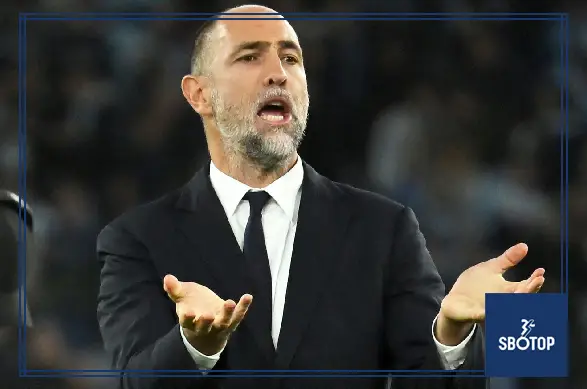
Tottenham Hotspur’s recent appointment of Igor Tudor as interim head coach has captured widespread attention across the footballing world. Known for his tactical acumen and varied managerial career across Europe, Tudor faces the immediate challenge of stabilizing a Premier League side amid a turbulent period.
From his early playing days to his managerial ventures with top European clubs, Tudor’s journey offers insight into a coach shaped by high-level experiences, adaptability, and an analytical approach to the modern game. This article explores Tudor’s career, managerial philosophy, achievements, and the expectations surrounding his tenure at Tottenham Hotspur.
Early Career From Defender to Rising Star
Igor Tudor began his football journey in Croatia, establishing himself as a disciplined, versatile defender. His playing career provided the foundation for his understanding of tactical organization, defensive structures, and team cohesion.
Playing Career Highlights
- Hajduk Split: Tudor’s professional career began with Hajduk Split, where he developed leadership skills and tactical awareness.
- Juventus: His transfer to Juventus marked the start of an elite-level career, where he competed in Serie A and UEFA competitions. At Juventus, Tudor was part of squads that won domestic titles and European honors, absorbing insights from managers like Marcello Lippi.
- International Career: Representing Croatia, Tudor gained experience on the global stage, competing in World Cups and European Championships. These experiences exposed him to varying tactical systems and elite competition pressure.
His playing career emphasized discipline, positional intelligence, and adaptability—traits that would later define his managerial style.
Transition to Management
Following retirement, Tudor transitioned into coaching, initially working with youth and assistant coaching roles before taking full managerial responsibilities. His early experiences allowed him to understand team dynamics, player psychology, and the intricacies of tactical planning.
Managerial Career Across Europe
Igor Tudor’s managerial journey has been diverse, reflecting both ambition and adaptability. He has helmed several high-profile European clubs, including Juventus FC, Lazio, and Marseille, each presenting unique challenges.
-
Juventus
Tudor returned to Juventus as a youth coach and later as an assistant before assuming managerial responsibilities with the senior team. His tenure emphasized defensive solidity, disciplined pressing, and strategic adaptability against Europe’s elite.
-
Lazio
At Lazio, Tudor navigated Serie A’s competitive landscape, balancing defensive resilience with attacking flexibility. He was praised for developing young talent and fostering tactical discipline among senior professionals.
-
Marseille
Tudor’s stint at Marseille introduced him to Ligue 1’s physical and tactical demands. His focus on structured pressing, organized defensive lines, and effective counter-attacks reflected a pragmatic approach adaptable to varying opponents.
These experiences across top European leagues provided Tudor with exposure to different footballing cultures, tactical philosophies, and player management strategies—preparing him for high-pressure roles like Tottenham Hotspur.
Managerial Philosophy
Tudor’s coaching philosophy is a blend of defensive organization, tactical discipline, and adaptable attacking strategies. Key elements include:
- Structured Defense: Tudor prioritizes maintaining compact lines, minimizing spaces between defenders and midfielders.
- Pressing Triggers: His teams implement coordinated pressing, aiming to regain possession efficiently.
- Counter-Attacking Efficiency: Tudor emphasizes rapid transitions, exploiting opponent vulnerabilities with precision.
- Player Development: He integrates young talent while maintaining competitive performance standards.
- Tactical Flexibility: Tudor adjusts formations and strategies based on opponent strengths and weaknesses.
This philosophy aims to balance stability with adaptability—a necessary trait for managing a Premier League club undergoing a transitional phase.
Challenges at Tottenham Hotspur
Taking over as interim head coach, Tudor faces immediate challenges:
-
Stabilizing Performance
Tottenham’s recent results have been inconsistent. Tudor’s first priority is to restore confidence, structure, and discipline on the pitch.
-
Motivating the Squad
Interim appointments often face skepticism. Tudor must gain player buy-in quickly, fostering trust and belief in his methods.
-
Fixture Congestion
The Premier League’s demanding schedule, combined with domestic cup commitments, requires effective squad rotation and fitness management.
-
Integrating Tactical Philosophy
Tudor must adapt his principles to a squad accustomed to different managerial styles while maintaining competitive standards.
Early Impressions
Early reports from training sessions suggest Tudor is focused, methodical, and hands-on. Players are reportedly responding positively to his structured approach and clear communication.
- Emphasis on defensive organization and pressing patterns.
- Tactical drills tailored to upcoming opponents.
- Encouragement of collective accountability and discipline.
These initial signs indicate Tudor’s intent to assert immediate impact while laying the groundwork for longer-term stability.
Comparison with Previous Managers
Tottenham has experienced a variety of managerial approaches, from attacking philosophies to high-intensity pressing systems. Tudor’s arrival introduces a blend of pragmatism and tactical discipline.
Unlike predecessors focused primarily on offensive creativity, Tudor emphasizes balanced team structures, combining solid defense with strategic attacking. This approach may suit transitional periods when consistency is paramount.
Potential Impact on Tottenham’s Season
Tudor’s appointment could influence Tottenham’s campaign in multiple ways:
- Defensive Stability: Reduced vulnerability during transitions and set-pieces.
- Squad Cohesion: Clearer communication and defined roles.
- Tactical Adaptability: Ability to tailor strategies against varied Premier League opponents.
- Player Confidence: Renewed belief through structured preparation and leadership.
The immediate aim is stabilization, but positive outcomes could provide momentum for the remainder of the season.
Player Relationships
A key aspect of Tudor’s approach is building strong, respectful relationships with players. His experience managing elite professionals in different leagues allows him to understand individual motivations and leverage strengths effectively.
- Senior players expected to lead by example.
- Younger talents offered structured guidance and opportunities.
- Open communication channels to ensure clarity of expectations.
Strong player-manager relationships will be crucial for sustaining performance and morale during the interim period.
Tactical Adaptation in the Premier League
The Premier League presents unique challenges: high pace, physicality, and tactical variety. Tudor’s success will hinge on:
- Adjusting pressing intensity to match opponents.
- Balancing defensive rigidity with creative freedom.
- Implementing efficient counter-attacking transitions.
- Managing squad rotation to prevent fatigue.
Adaptation to the league’s speed and unpredictability is essential for maintaining competitiveness.
Expectations from Fans and Media
Supporters and media scrutiny can be intense, particularly for an interim appointment at a club of Tottenham’s stature. Tudor’s challenge will be to deliver results while managing expectations.
Transparent communication about objectives—stabilization rather than immediate transformation—will help align stakeholders with the realities of the interim period.
Lessons from Previous Interim Appointments
Interim managers in top-flight football often navigate a delicate balance between immediate impact and long-term sustainability. Successful interim stints share common factors:
- Rapid assertion of authority and clarity of expectations.
- Tactical pragmatism to address immediate performance issues.
- Effective man-management to maintain morale and focus.
- Ability to leave a positive imprint on squad culture.
Tudor’s experience and managerial style align with these success factors, increasing the likelihood of a productive tenure.
Challenges Beyond the Pitch
Managing Tottenham involves more than tactical decisions:
- Media Management: Articulating vision and addressing scrutiny constructively.
- Supporter Engagement: Maintaining fan confidence during periods of transition.
- Administrative Coordination: Working with club leadership on transfer and squad considerations.
Navigating these non-technical aspects is essential for long-term success.
Also Read: