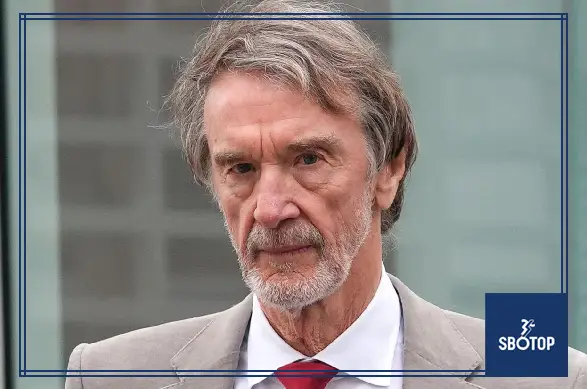
Sir Jim Ratcliffe, the high-profile co-owner of Manchester United F.C., has been cleared of any formal action by the Football Association (FA) following a series of controversial comments regarding immigration. The remarks, made during a recent public interview, attracted widespread attention and criticism from media outlets, football fans, and political commentators alike. However, after a thorough review, the FA concluded that no disciplinary measures would be taken against Ratcliffe, citing freedom of expression and the absence of any direct breach of FA regulations.
The incident highlights the complex intersection between football governance, public statements by influential figures, and broader social issues such as immigration. It also underscores the scrutiny faced by football club owners, particularly those of globally recognized clubs like Manchester United, whose actions and words are analyzed both on and off the pitch.
Context of the Controversial Remarks
Sir Jim Ratcliffe, known primarily for his industrial empire and high-profile involvement in Manchester United ownership, made headlines after offering opinions on immigration policies in the UK. While the comments were not directly related to football, their timing and public nature meant that they inevitably intersected with Ratcliffe’s role as a prominent figure in English football.
The remarks sparked a debate across social media, sports media, and political commentary platforms, with some interpreting them as critical of current immigration policies, while others accused Ratcliffe of promoting divisive rhetoric. The controversy was magnified due to Manchester United’s international fan base and the global visibility of the Premier League.
FA Investigation and Decision
The Football Association (FA) reviewed the situation to determine whether Ratcliffe’s comments constituted a violation of FA codes of conduct, particularly those related to discrimination, hate speech, or bringing the game into disrepute.
After a detailed assessment, the FA announced that no further action would be taken. Key factors in the decision included:
- Freedom of Expression: While the remarks were controversial, they did not violate FA rules prohibiting discriminatory or abusive conduct.
- Context: The comments were made in a broader socio-political context rather than in a football-specific setting.
- Intent: There was no evidence that Ratcliffe intended to influence footballing decisions or disparage individuals based on race, nationality, or ethnicity.
The FA’s decision reflects the delicate balance football authorities must maintain between regulating conduct and respecting public discourse and free speech.
Reactions from the Football Community
The response to the FA’s decision has been mixed, highlighting differing perspectives on accountability and influence in football.
-
Supporters of Ratcliffe
Many observers defended Ratcliffe’s right to express his opinions as a private citizen and business leader. Supporters argued that punishing club owners for commentary unrelated to football could set a concerning precedent and infringe on personal freedoms.
- Key Argument: Ownership and influence in football do not equate to forfeiting the right to participate in societal discussions.
- Supportive Voices: Analysts and journalists noted that the FA acted appropriately by distinguishing between private commentary and conduct that directly impacts the sport.
-
Critics and Concerned Voices
Conversely, some critics argued that Ratcliffe, given his position as co-owner of a globally visible football club, should exercise greater caution in public discourse. The argument emphasized the social responsibility inherent in football leadership.
- Impact on Fans: Given Manchester United’s diverse fan base, comments on sensitive topics like immigration can influence perceptions and fan engagement.
- Responsibility of Owners: High-profile owners are seen as cultural figures whose statements carry weight beyond business or politics.
Ratcliffe’s Statement Following FA Clearance
Following the FA’s decision, Sir Jim Ratcliffe issued a statement emphasizing respect for the ruling and reiterating his commitment to Manchester United. He expressed relief at the resolution and highlighted the importance of focusing on footballing matters.
“I am pleased that the FA has reviewed the situation thoroughly. My comments were intended to reflect personal views on a societal issue, and I respect the authority’s decision. Moving forward, my focus remains on supporting Manchester United and our shared goals on and off the pitch.”
This response indicates a measured approach, balancing acknowledgement of controversy with a redirection toward footballing priorities.
The Role of Football Owners in Public Discourse
The incident underscores the broader debate about the role of football owners in public life. Owners of globally recognized clubs occupy a unique space, wielding influence over both sport and culture.
-
Responsibilities Include
-
- Representation: Owners symbolize the values of their club, both locally and globally.
- Influence: Public statements can shape fan perceptions and attract media scrutiny.
- Accountability: While personal freedoms exist, public roles carry ethical responsibilities, particularly in sensitive areas like social or political commentary.
Ratcliffe’s situation highlights the tension between exercising personal freedom and recognizing the social visibility inherent in high-profile club ownership.
Media Coverage and Global Attention
Given Manchester United’s international stature, the remarks and subsequent FA review attracted coverage far beyond the UK. Media outlets in Europe, North America, and Asia reported on both the controversy and the FA’s ruling.
- Global Scrutiny: Owners of globally recognized clubs are under constant observation, and statements on any topic can become headline news.
- Brand Considerations: Manchester United, as a global brand, must balance leadership visibility with reputational risk management.
- Fan Sensitivity: Diverse international audiences are increasingly vocal about social issues, demanding cultural awareness from prominent figures.
Broader Implications for Football Governance
The FA’s handling of the Ratcliffe situation provides insight into contemporary football governance challenges:
- Freedom of Expression vs Regulatory Oversight: Authorities must ensure that rules against discrimination and misconduct are enforced without unnecessarily restricting personal expression.
- Globalization of Football: Owners and club figures operate in a global context, where comments resonate internationally.
- Stakeholder Management: Decisions must consider players, fans, commercial partners, and the broader community.
This case reflects the complexity of modern football governance, where off-pitch statements can carry as much scrutiny as on-pitch actions.
Historical Context Owners and Controversial Statements
Football history is replete with examples of owners or executives who faced backlash for public comments:
- Roman Abramovich (Chelsea): Criticized for political affiliations and public statements impacting club perception.
- Steve Parish (Crystal Palace): Occasional media commentary sparked fan and press discussion on governance decisions.
- John W. Henry (Liverpool): Faced scrutiny over social and political opinions, particularly in media statements.
These precedents illustrate the importance of context, proportionality, and regulatory clarity when addressing owner conduct.
Fan Engagement and Perception
Fan perception remains a critical factor in controversies involving club leadership. While the FA concluded no formal action was warranted, supporters have expressed a range of reactions on social media and fan forums:
- Supportive Fans: Emphasized Ratcliffe’s right to personal opinion and appreciated transparency in the FA’s ruling.
- Critical Fans: Expressed concern about the potential social impact of public statements on sensitive issues like immigration.
- Neutral Observers: Advocated separating footballing operations from personal commentary, focusing on club performance and stability.
These varied perspectives demonstrate the delicate balance clubs must maintain between leadership, communication, and fan trust.
Strategic Focus Moving Forward
For Manchester United, the priority remains on-field performance, commercial growth, and global brand management. Ratcliffe’s cleared status allows the club to redirect attention to strategic goals, including:
- Squad Development: Ensuring players, coaching staff, and management are aligned with performance objectives.
- Global Expansion: Leveraging international fan engagement and commercial partnerships.
- Cultural Leadership: Promoting inclusivity, community engagement, and social responsibility within football operations.
By focusing on these areas, Manchester United can minimize distraction and reinforce a culture of professionalism and strategic clarity.
Lessons for High-Profile Figures in Football
The Ratcliffe controversy provides several lessons for owners, executives, and public figures in football:
- Awareness of Public Impact: Statements on sensitive topics are inevitably amplified and scrutinized.
- Separation of Roles: Balancing personal opinion with professional visibility is critical to avoid reputational risk.
- Responsibility to Stakeholders: Owners must consider fans, players, and the global audience when communicating publicly.
- Importance of Governance: Clear regulatory frameworks, like those of the FA, provide guidance and protect both individuals and the sport.
These lessons highlight the evolving responsibilities of football leadership in a globalized, socially aware context.
Also Read:
- SBOTOP John Souttar Secures Future at Rangers: New Ibrox Contract Runs Until 2027 with Option for Extension
- SBOTOP: Oliver Glasner Reflects on Crystal Palace Future Amid Fan Backlash and Uncertainty
- SBOTOP Vincent Kompany Slams Mourinho: Bayern Munich Boss Calls Criticism of Vinicius Jr a ‘Huge Mistake’