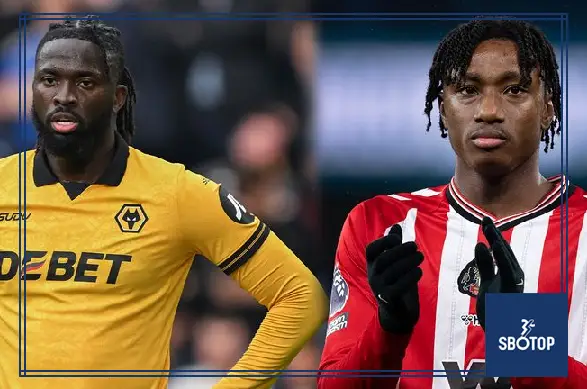
The football community was left outraged after Wolves striker Tolu Arokodare and Sunderland winger Romaine Mundle were subjected to racist abuse on social media following recent performances in domestic competitions. Both players, known for their talent, dedication, and professionalism, became targets of vile online messages that serve as a grim reminder that racism remains a pervasive problem in football, despite years of campaigns and initiatives aimed at eradicating discrimination.
Incidents That Sparked the Abuse
The abuse reportedly followed matches in which both players had impactful performances—Arokodare for Wolverhampton Wanderers and Mundle for Sunderland. While Wolves and Sunderland were engaged in competitive fixtures, online trolls seized the opportunity to direct racially charged messages at the players.
Sources indicate that Arokodare, who has recently become a key figure in Wolves’ attacking line, received offensive direct messages and comments mocking his ethnicity and using derogatory language. Similarly, Mundle, celebrated for his pace and skill on the wing, was targeted with slurs and harmful messages following his display in the latest Championship fixtures.
The timing and nature of these attacks suggest an alarming trend: players of African and minority descent continue to face online abuse, regardless of their form or contribution on the pitch.
Immediate Reactions from Clubs
Both Wolves and Sunderland issued strong statements condemning the abuse. Wolves said:
“We are deeply disturbed by the racist messages sent to Tolu Arokodare. The club stands firmly against discrimination of any kind and will support Tolu fully in addressing this matter.”
Sunderland echoed this sentiment, stating:
“Romaine Mundle has our full backing. We condemn the abhorrent racist abuse he has received and will work with authorities to ensure those responsible are held accountable.”
These statements underscore the importance of club-level support for players facing harassment. Modern footballers operate under intense scrutiny, and the backing of their organizations is crucial in combating the psychological impact of online abuse.
Social Media Platforms Under Scrutiny
The incidents highlight a broader issue within the footballing world: the role of social media platforms in facilitating abuse. Platforms like Twitter, Instagram, and TikTok, while offering players direct engagement with fans, also allow anonymity for trolls, enabling them to target athletes with little fear of repercussion.
Football authorities, clubs, and advocacy groups have repeatedly called for social media companies to implement stricter moderation policies and more effective reporting mechanisms. However, incidents like those involving Arokodare and Mundle reveal that more needs to be done to protect players from racist abuse.
Players’ Responses and Resilience
Both Arokodare and Mundle have shown remarkable resilience in the face of this discrimination. Arokodare posted a statement on his verified social media accounts:
“It’s disappointing to see that even in 2026, we still have to face this. I love playing football and representing Wolves, and I won’t let hate stop me from doing what I love.”
Mundle also addressed the abuse, emphasizing unity and determination:
“The support from my teammates, family, and fans has been incredible. I will continue to work hard on the pitch, and I hope those who use hate online take a moment to reflect.”
These responses highlight the professionalism and mental strength of both players, setting an example for others who may face similar challenges.
The Role of the Professional Footballers’ Association (PFA)
The PFA, which represents players in England and Wales, has consistently spoken out against racism in football. Following the incidents, the PFA pledged to provide support to Arokodare and Mundle, both in terms of emotional assistance and guidance on reporting the abuse to the authorities.
A spokesperson from the PFA said:
“Racism in football, online or offline, is unacceptable. We will work closely with Tolu and Romaine to ensure they are fully supported and that any perpetrators are identified and dealt with appropriately.”
The PFA’s involvement is vital in providing a structured framework for players to address incidents of discrimination, including legal advice and mental health support.
Broader Context Racism in Football
Sadly, this is not an isolated incident. Racism in football has persisted across leagues and competitions globally, from grassroots football to the Premier League and Championship. High-profile cases, including abuse directed at Marcus Rashford, Raheem Sterling, and Bukayo Saka in recent years, show a recurring pattern of players being targeted online after key matches.
Organizations like Kick It Out have continuously campaigned against discrimination, advocating for tougher sanctions, educational programs, and stricter reporting protocols. Yet, despite these efforts, incidents continue to occur, emphasizing the challenge of eradicating racism from the sport entirely.
Psychological Impact on Players
Racist abuse can have severe consequences for players’ mental health. Continuous exposure to derogatory language and attacks on social media can lead to anxiety, depression, and decreased performance on the pitch. Sports psychologists emphasize the importance of support networks, coping strategies, and institutional backing to help players navigate these challenges.
For Arokodare and Mundle, club support and public solidarity are essential in mitigating the psychological toll. By addressing the abuse openly and providing resources, Wolves and Sunderland demonstrate the importance of prioritizing player well-being in modern football.
Fan Reactions and Solidarity Campaigns
Supporters across both clubs have rallied behind Arokodare and Mundle, using social media hashtags, stadium banners, and online campaigns to denounce racism. The #SayNoToRacism movement gained traction, with thousands of fans pledging solidarity with the players and condemning discriminatory behavior.
Fan engagement plays a critical role in challenging societal norms and reinforcing that abuse will not be tolerated. Positive reinforcement from supporters can help players feel valued and protected, counteracting the negativity encountered online.
Legal and Regulatory Measures
The incidents have reignited discussions about legal accountability for online abuse. While police forces in the UK have taken action in some high-profile cases, the anonymity and global reach of social media often complicate enforcement.
Football authorities, including the FA, have implemented policies to sanction clubs and individuals involved in discriminatory behavior. These measures include fines, stadium bans, and points deductions in severe cases. However, experts argue that more proactive monitoring, swift investigation, and coordinated enforcement with social media companies are necessary to deter perpetrators effectively.
The Importance of Education
Combating racism in football requires long-term educational initiatives. Grassroots programs, fan workshops, and youth engagement campaigns can help challenge prejudiced attitudes, fostering a more inclusive environment for players and supporters alike.
Clubs like Wolves and Sunderland have taken steps to promote diversity and inclusion, but ongoing education is critical to prevent similar incidents in the future. Encouraging dialogue, awareness campaigns, and public statements condemning racism contribute to shaping a culture where abuse is socially unacceptable.
Media Responsibility
The media also plays a significant role in addressing online abuse. Responsible reporting, highlighting solidarity initiatives, and exposing instances of racism can amplify positive messages and pressure platforms to take action. Conversely, sensationalized coverage that focuses solely on the abuse without context can exacerbate the problem.
Neville and other commentators have emphasized the need for balanced reporting that both condemns racism and celebrates player resilience. Positive media coverage reinforces societal norms and provides a platform for anti-racism campaigns.
Global Perspective
Racism in football is not unique to England. Players around the world, including those in Serie A, La Liga, and Ligue 1, have faced similar online abuse. International governing bodies, such as FIFA and UEFA, have called for stronger measures to protect players, including sanctions, educational programs, and enhanced reporting mechanisms.
The experiences of Arokodare and Mundle highlight the global dimension of the problem and the need for coordinated action across leagues, clubs, and platforms. Football’s universal appeal makes addressing racism not just a local but a worldwide imperative.
Club-Level Initiatives
Wolves and Sunderland have both demonstrated commitment to combating racism through club-led initiatives. Community engagement programs, school partnerships, and outreach campaigns aim to educate fans and create a culture of inclusivity.
By supporting players publicly and implementing internal policies to address discrimination, clubs send a clear message: racism will not be tolerated, and individuals engaging in such behavior will face consequences.
Technology and Monitoring Solutions
Social media companies have increasingly invested in AI-powered moderation tools to detect abusive messages, though these systems are not foolproof. Improved monitoring, faster reporting, and collaboration with law enforcement are necessary to identify and hold accountable those who harass players online.
Football authorities are advocating for stricter verification, reporting standards, and punitive measures to reduce online abuse. Players like Arokodare and Mundle become unintended test cases in shaping the policies and systems that could prevent similar incidents in the future.
Also Read:
- SBOTOP Gary Neville: Arsenal Show Resolve Against Tottenham and Hold Firm Under Man City Pressure in Title Race
- SBOTOP: Viktor Gyokeres Stars for Arsenal with Two-Goal Masterclass Against Tottenham
- SBOTOP Igor Tudor Issues Stern Warning to Tottenham After Arsenal Rout: ‘Time to Get Serious and Drop Bad Habits’