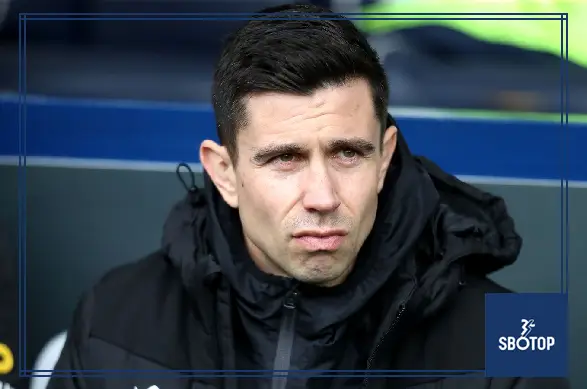
The revolving door of football management has turned once again. West Bromwich Albion have officially parted company with Eric Ramsay following an eight-game league run without a victory, a sequence that steadily eroded optimism and ultimately convinced the club hierarchy that change was unavoidable. The decision, while abrupt in timing, had been building beneath the surface for weeks as performances stagnated and results slipped from frustrating draws to damaging defeats.
For a club steeped in tradition and expectation, the dismissal signals both an end and a beginning. It closes a chapter defined by early promise and growing uncertainty, and it opens the door to fresh leadership at a pivotal stage of the campaign.
The Promise of a New Era
When Ramsay was appointed, there was a sense of forward-thinking ambition. Known for his analytical approach and modern coaching methods, he arrived with a reputation for tactical detail and player development. Supporters viewed him as part of a broader strategy aimed at long-term growth rather than short-term reaction. Early performances seemed to validate that optimism. West Brom displayed fluid attacking patterns and a disciplined defensive shape. Young players flourished under structured guidance, while experienced figures appeared revitalized by clear tactical instruction.
Yet football is an unforgiving arena. Momentum can shift quickly, and sustaining early gains often proves more difficult than achieving them.
The Slide into Uncertainty
The eight-game winless streak did not begin with alarm bells. It started subtly—a draw that felt like two points dropped rather than one gained. Then came another match where dominance failed to translate into goals. Gradually, confidence began to fray.
In tight contests, small margins define outcomes. Defensive lapses, missed chances, and late concessions combined to form a pattern. Supporters remained patient initially, recognizing that league campaigns are marathons rather than sprints. However, as the sequence extended, frustration replaced understanding.
Players who once moved with assurance now appeared hesitant in decisive moments. Passes that previously split defensive lines were overhit or intercepted. Shots drifted narrowly wide. Each setback compounded the psychological burden.
Tactical Questions
Criticism inevitably turned toward tactical rigidity. Opponents appeared increasingly adept at nullifying West Brom’s primary attacking routes. Midfield congestion limited creativity, while wide areas offered diminishing returns.
Ramsay remained committed to his principles. He spoke repeatedly about process, structure, and underlying metrics. In press conferences, he emphasized patience and incremental improvement.
Yet results are football’s ultimate currency.
As matches passed without victory, scrutiny intensified. Analysts questioned whether adjustments were coming too late or not at all. Was the system too predictable? Had opponents deciphered its patterns? Or were deeper squad limitations to blame?
Dressing Room Dynamics
In professional football, morale can fluctuate rapidly. A losing streak affects not only public perception but internal belief. Senior players often carry the responsibility of stabilizing dressing room confidence, while coaching staff must strike a balance between accountability and encouragement.
Reports suggested that Ramsay retained the respect of his squad. Training sessions remained intense and focused. However, belief is fragile. Once doubt creeps in, execution suffers.
A team that begins fearing mistakes often becomes more prone to making them.
The Breaking Point
The decisive moment came after a narrow home defeat that extended the winless run to eight league games. Supporters voiced frustration, not necessarily at individual players, but at the absence of visible progression.
The board convened shortly thereafter. While acknowledging Ramsay’s professionalism and dedication, they concluded that change was necessary to reignite momentum and safeguard seasonal objectives.
The official statement thanked him for his service and wished him well, emphasizing the collective decision to pursue a new direction.
Historical Context
West Bromwich Albion are no strangers to managerial turnover. The club’s history includes periods of stability interspersed with swift transitions. Competing in a demanding league environment requires adaptability, especially when promotion aspirations or survival battles loom.
For West Brom, expectations remain high. The club’s infrastructure, fanbase, and ambition demand competitiveness at the upper reaches of the table. Extended slumps are rarely tolerated.
Statistical Snapshot of the Run
Across the eight-game drought:
- Goals scored declined noticeably compared to earlier fixtures.
- Defensive concessions increased in the latter half of matches.
- Possession statistics remained respectable, but conversion rates dropped.
- Set-piece effectiveness waned.
These metrics painted a picture of a team struggling to transform structure into tangible outcomes.
The Emotional Weight of Dismissal
For Ramsay, the dismissal marks a setback in what remains a promising managerial career. Modern football often affords limited time to implement long-term visions. Results-driven culture leaves little room for extended experimentation.
Players, too, experience mixed emotions. Loyalty to a coach can coexist with acknowledgment that change may benefit collective objectives.
Supporters, meanwhile, grapple with conflicting sentiments: disappointment at unfulfilled promise and hope for renewed energy under fresh leadership.
Interim Solutions and Immediate Goals
The club appointed an interim manager to stabilize operations while conducting a thorough search for a permanent successor. The immediate objective is clear—halt the slide, restore confidence, and secure points swiftly.
Short-term adjustments may involve tactical simplification, emphasizing defensive solidity and counterattacking efficiency. Psychological reset often proves as important as structural overhaul.
Training sessions in the aftermath of a managerial change frequently carry renewed intensity, driven by players eager to impress and reclaim form.
Broader Lessons
The Ramsay era underscores several enduring truths about football management:
- Momentum is Precious: Early-season form can mask underlying vulnerabilities if not continually refined.
- Adaptability is Essential: Opponents evolve; successful teams must anticipate and counter those adjustments.
- Communication Matters: Aligning board expectations with on-field realities reduces pressure and confusion.
- Results Define Tenure: Philosophical coherence must ultimately manifest in victories.
Supporter Perspective
West Brom supporters are passionate and discerning. They recognize tactical nuance yet demand commitment and visible progress. During the winless stretch, frustration stemmed not only from defeats but from perceived stagnation.
Social media amplified debate, with opinions ranging from staunch defense of Ramsay’s long-term plan to urgent calls for change.
Now, the mood shifts toward cautious optimism. The belief that a fresh voice can spark revival resonates strongly within the fanbase.
Financial and Competitive Implications
Managerial changes carry financial consequences. Contract settlements and recruitment strategies influence budget planning. Moreover, league position affects broadcasting revenue and future investment capacity.
Failure to arrest downward trends risks broader ramifications. Conversely, timely intervention can preserve ambitions and protect long-term stability.
The Search for Successor
Speculation immediately surrounds potential candidates. Will West Brom pursue an experienced figure adept at navigating promotion races? Or will they double down on progressive youth-oriented coaching?
The choice will reflect broader strategic priorities.
The ideal candidate must blend tactical flexibility with motivational skill, capable of restoring confidence while implementing effective adjustments swiftly.
Player Accountability
While managerial decisions dominate headlines, players bear responsibility for on-field execution. Professional pride demands response.
Improved concentration, sharper finishing, and collective discipline are prerequisites for revival. A new manager may tweak systems, but application ultimately rests with the squad.
Looking Forward
The remainder of the season presents both challenge and opportunity. A resurgence could reframe the narrative entirely, transforming this dismissal into a turning point rather than a setback.
Conversely, failure to improve would expose deeper structural issues requiring broader evaluation.
The next few fixtures will prove telling. Early victories under new leadership often catalyze sustained improvement.
Reflection on Ramsay’s Tenure
Eric Ramsay’s time at West Brom was neither catastrophic nor triumphant. It was a period defined by ambition tempered by inconsistency. His tactical philosophy introduced elements of modern structure and data-driven preparation.
Yet football’s harsh reality is that potential must translate into points. When it does not, even promising projects can stall prematurely.
His departure does not erase his contributions; it simply marks a recalibration of direction.
Also Read:
- SBOTOP: Howe’s Newcastle Surge Past Qarabag in Five-Goal Thriller to Seal Dominant Champions League Last 16 Berth
- SBOTOP: Smith and Cleworth Shine as Wrexham Edge Portsmouth 2-1 in Gritty Red Dragons Triumph
- SBOTOP: Riley McGree Rescues Middlesbrough with Late Equalizer in 1-1 Stalemate Against Leicester City