The countdown to the 2026 FIFA World Cup is underway, and anticipation is reaching fever pitch across North America. Hosted jointly by the United States, Canada, and Mexico, the tournament promises to be historic, not only for its scale—with an expanded 48-team format—but also for the cultural, logistical, and political narratives surrounding it. From ticket sales to political headlines, and the excitement of fans preparing to attend, there is much to unpack as the host nations ready themselves for what promises to be the most ambitious World Cup in history.
A Historic North American Collaboration
The 2026 World Cup represents the first-ever tri-nation hosting of the tournament. With matches spread across three countries and 16 cities—11 in the U.S., 3 in Mexico, and 2 in Canada—the logistical challenge is unprecedented. FIFA has highlighted this collaboration as a demonstration of unity, vision, and organizational excellence.
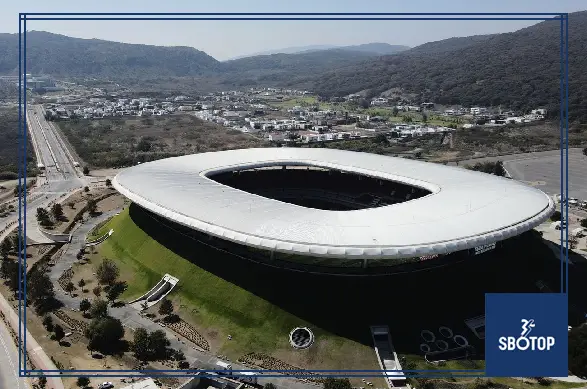
For the U.S., the tournament provides a chance to showcase its modern stadiums and infrastructure. Cities like New York/New Jersey, Los Angeles, and Dallas will host opening matches, group stages, and knockout games. Mexico, a seasoned World Cup host, will bring its own historic stadiums and passionate soccer culture into play, with Guadalajara, Mexico City, and Monterrey scheduled to host matches. Canada, participating as a host for the first time, will leverage stadiums in Toronto and Vancouver, introducing Canadian soccer fans to the World Cup atmosphere on home soil.
FIFA’s decision to distribute matches across these three nations was not only symbolic but practical, balancing stadium quality, fan accessibility, and regional exposure. This approach promises a tournament that is as much a celebration of North American football culture as it is an elite sporting competition.
Trump and the Political Spotlight
Politics has inevitably found its way into the World Cup discourse. Former U.S. President Donald Trump has been vocal regarding aspects of the tournament, ranging from immigration policies affecting fans traveling from abroad to public statements about the infrastructure and security preparations.
Trump’s comments, often polarizing, have sparked debate among supporters, critics, and media outlets alike. Some see his involvement as a reflection of the broader intersection between sport and politics, while others caution that political discourse should remain separate from the event.
The tournament’s organizing committees have emphasized neutrality, assuring fans that entry, attendance, and participation will not be influenced by political positions. Still, Trump’s commentary has amplified media coverage, ensuring the World Cup remains not only a sporting event but a major topic of public discourse across North America.
Ticketing Updates and Fan Access
Ticketing for the 2026 World Cup has been a central concern for fans eager to witness the matches live. FIFA has introduced a phased ticketing strategy, balancing demand from international fans with local attendance requirements.
- Phase 1: Registration for tickets began months ago, prioritizing early interest and providing fans with initial access to all match categories.
- Phase 2: General sales will be staggered, with lotteries determining allocations in cities where demand exceeds supply.
- Pricing and Categories: Tickets range from affordable group-stage seating to premium packages for knockout rounds and the final match, reflecting FIFA’s effort to accommodate diverse demographics.
For fans, understanding stadium logistics is crucial. With venues spread across large distances, especially in the U.S., planning travel and accommodations is essential. FIFA and host cities are actively coordinating transportation solutions, including high-speed trains, charter flights, and shuttle services, to ensure smooth fan movement between games.
The ticketing process has also emphasized digital accessibility. Fans must register online and provide identification details, a measure designed to prevent scalping and ensure security. Despite these precautions, secondary markets are already seeing high demand, particularly for high-profile matches involving teams like Brazil, Argentina, and the United States.
Fan Culture and Anticipation
Across North America, soccer fans are embracing the World Cup with unparalleled enthusiasm. Supporters’ groups have launched campaigns to create local fan zones, merchandise, and pre-tournament events.
- In the U.S., cities like Chicago, Miami, and Seattle are hosting public viewing parties, celebrating international football culture while promoting community engagement.
- Mexican fans, historically renowned for vibrant stadium atmospheres, are organizing massive fan marches in Mexico City and Guadalajara, ensuring every matchday will be electrified by chants, flags, and traditional music.
- Canadian supporters, though newer to large-scale World Cup attendance, have embraced fan culture with creativity and excitement, particularly in multicultural hubs like Toronto and Vancouver.
These fan-driven initiatives are complemented by official FIFA fan zones, which will feature live match screenings, interactive games, cultural showcases, and food markets celebrating each participating nation. For many, attending a match will be as much a cultural experience as a sporting event.
Travel Logistics and Accommodation
Traveling to World Cup matches in three countries presents unique challenges for international and domestic fans alike. Key considerations include visa requirements, customs regulations, and cross-border travel logistics.
- United States: Fans entering the U.S. must ensure compliance with visa or ESTA requirements. Cities are emphasizing public transportation, parking infrastructure, and shuttle systems to manage the influx of spectators.
- Canada: Visa and travel entry procedures are being clarified well in advance to avoid bottlenecks. Vancouver and Toronto will implement dedicated fan corridors to streamline stadium entry.
- Mexico: Local organizers are focusing on security and stadium capacity management, as Mexico City and Guadalajara are expected to host tens of thousands of fans per match.
Accommodation remains a critical concern. Hotels and rental properties in host cities have reported near-capacity bookings, prompting local authorities to coordinate additional lodging options, including temporary fan villages and partnerships with nearby towns.
Media Coverage and Digital Engagement
The 2026 World Cup promises unmatched media coverage. Broadcasters in North America and worldwide are preparing multi-platform coverage, including live streaming, on-demand highlights, and fan-interactive experiences.
Social media engagement has been particularly notable. Fans are actively participating in discussions about draw predictions, ticket availability, and travel arrangements. Official FIFA channels are providing real-time updates, while local clubs and fan associations are amplifying content to maintain excitement.
Additionally, advanced data analytics, augmented reality features, and interactive match statistics will be integrated into official broadcasts, enhancing the viewing experience for fans unable to attend in person.
Environmental and Sustainability Efforts
Host nations have emphasized sustainability in planning for the World Cup. Initiatives include:
- Reducing carbon emissions through public transportation incentives.
- Implementing eco-friendly stadium practices, including waste reduction and energy-efficient lighting.
- Encouraging sustainable tourism practices for visiting fans.
These measures aim to ensure that the tournament not only entertains but also sets benchmarks for environmental responsibility in global sporting events.
Security Measures and Fan Safety
Given the scale and international nature of the tournament, security remains a top priority. Coordinated efforts among local law enforcement, federal agencies, and private security firms are ensuring safe stadium environments and surrounding fan zones.
Advanced technologies such as facial recognition, scanning systems, and crowd management analytics are being deployed. Organizers have emphasized proactive communication with fans regarding prohibited items, emergency protocols, and local safety guidelines.
Political Cultural and Social Impact
Beyond football, the World Cup 2026 will have broad political and social ramifications. Economically, host cities anticipate significant revenue boosts from tourism, merchandise, and media rights. Socially, the tournament provides opportunities to showcase multiculturalism and diversity in North America.
Political figures, including former President Donald Trump, have occasionally intersected with World Cup discourse, highlighting broader national attention. While opinions on political involvement vary, these interactions underscore the World Cup’s position as a major international event with cultural resonance far beyond sport.
Fan Insights and Perspectives
Across the three host nations, fans are expressing a mix of excitement, concern, and anticipation:
- Accessibility: Many fans are strategizing early to secure tickets and accommodations due to expected high demand.
- Cultural Experience: Attendees are eager to experience local traditions, cuisines, and fan culture in different cities.
- Team Loyalty: Supporters of host nations, particularly the U.S. and Mexico, are confident their home advantage will inspire strong performances.
- Global Community: International visitors highlight the opportunity to engage with diverse fanbases, creating an atmosphere of shared celebration.
These insights reveal a fan base that is deeply engaged, knowledgeable, and enthusiastic about the tournament’s unique scale and multicultural context.
Anticipating the Kickoff
As the opening match draws closer, all eyes remain on organizational preparedness, ticket distribution, and team form. Friendlies and pre-tournament events are providing early indicators of team readiness and fan engagement.
The combination of the largest-ever World Cup format, multiple host nations, and intense fan interest ensures that the 2026 edition will be both a logistical challenge and a cultural spectacle.
Also Read:
- SBOTOP: Winless Run Ends Ramsay Era as West Brom Dismiss Manager After Eight-Game League Drought
- SBOTOP: Howe’s Newcastle Surge Past Qarabag in Five-Goal Thriller to Seal Dominant Champions League Last 16 Berth
- SBOTOP: Smith and Cleworth Shine as Wrexham Edge Portsmouth 2-1 in Gritty Red Dragons Triumph