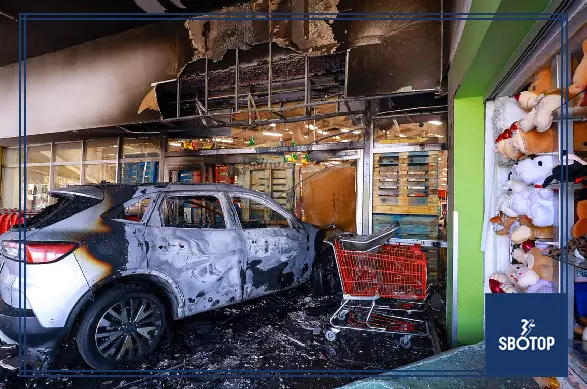
Mexico has long been a passionate hub for football, with its vibrant fan base and rich history in the sport. The country is set to co-host the 2026 FIFA World Cup alongside the United States and Canada, but as the global football community prepares for this historic event, there is growing concern about the safety of players, officials, and fans due to the ongoing cartel violence plaguing certain regions of Mexico. This violence, which has been a persistent issue for years, poses a significant challenge to the planning and execution of World Cup games in the country. The threat of cartel-related violence has sparked discussions about the possibility of relocating playoff games or even reconsidering venues that might be deemed too risky.
As the World Cup is one of the most widely viewed sporting events in the world, ensuring the safety of all involved is of paramount importance. With Mexico’s prominent role in the 2026 tournament, there are growing concerns about how the country’s security issues might affect not only the logistics of the competition but also its international reputation. In this article, we explore the impact of cartel violence on the World Cup in Mexico, the potential for relocating playoff games, and the broader implications for the country’s involvement in global football events.
The Cartel Violence Crisis in Mexico
Cartel violence has been a pervasive issue in Mexico for decades, driven by the operations of powerful criminal organizations involved in drug trafficking, extortion, kidnapping, and other illicit activities. While cartel-related violence is often concentrated in specific regions of Mexico, it has spread to several parts of the country, including some areas that are crucial to the country’s tourism and sporting industries. The ongoing drug wars and turf battles between rival cartels have led to high levels of violence, including shootings, bombings, and other forms of armed conflict.
The violence has resulted in the loss of thousands of lives, including both civilians and law enforcement officials. It has also severely impacted the stability and safety of many cities, particularly in the northern and western parts of the country. For instance, cities like Tijuana, Ciudad Juárez, and Sinaloa are frequently reported to be hotspots for cartel-related violence. This has raised alarms for anyone planning large international events, such as the World Cup.
In recent years, some cities that were originally considered potential host locations for the 2026 World Cup have seen escalating violence, creating uncertainty about whether they will be deemed safe enough to host international matches. The proximity of major cities like Guadalajara, Monterrey, and Mexico City to cartel-controlled areas further compounds these concerns.
World Cup in Mexico A Historic Event
Mexico’s involvement in the 2026 World Cup is significant for several reasons. The country has already hosted the tournament twice, in 1970 and 1986, making it one of the few nations to have had the honor of hosting the tournament multiple times. Mexico’s football culture, passionate fan base, and iconic stadiums make it a natural choice for hosting World Cup matches. In fact, it will be the first time that three countries—Mexico, the United States, and Canada—will co-host the event.
The 2026 World Cup is set to expand to 48 teams, further increasing the importance of the event and the challenges associated with its logistics and security. Mexico is expected to host a significant portion of the matches, with major cities such as Mexico City, Guadalajara, and Monterrey likely to be among the venues.
Despite the excitement surrounding the event, the country’s ongoing security issues, particularly cartel violence, are casting a shadow over the planning process. FIFA, the global governing body of football, has made it clear that the safety of players, officials, and fans is a top priority, which has raised the question of whether some World Cup games in Mexico could be relocated due to the security risks posed by cartel violence.
The Potential Impact on World Cup Games
The risk of cartel violence could have a significant impact on the organization and execution of World Cup games in Mexico. The most immediate concern is the safety of the teams, players, and spectators. While FIFA has extensive experience in managing security at international events, the unpredictable nature of cartel-related violence could make certain areas of Mexico too dangerous to host matches. Even if FIFA provides additional security measures, the proximity of violence to World Cup venues could lead to heightened fears and anxiety among fans and players alike.
-
Safety of Players and Officials
FIFA and the local organizing committees will likely take significant steps to ensure that the safety of players and officials is guaranteed. This could include enhanced security measures at stadiums, hotels, and transportation routes. However, the volatile nature of cartel violence poses a serious challenge. Even with heightened security, the risk of incidents occurring outside the confines of match venues remains high. Cartel groups have been known to target public figures, and it is not uncommon for violence to spill into urban areas, affecting the general population.
Furthermore, the logistical challenge of protecting large numbers of people, including players, coaches, referees, and media personnel, across multiple venues could be daunting. The sheer scale of the World Cup means that multiple locations will be used throughout the tournament, increasing the need for comprehensive security coordination across different regions of Mexico.
-
Impact on Fans and Spectators
For the millions of football fans traveling to Mexico to witness the World Cup in person, the safety and security of their journey will be a major concern. Fans typically flock to host cities to watch their teams play, and the economic success of the tournament relies heavily on the influx of international tourists. However, if cartel violence becomes a significant concern, it could lead to reduced attendance, particularly among fans from regions where safety concerns are heightened.
The prospect of cartel violence might also deter fans from attending matches in cities that are considered unsafe. FIFA’s success in selling tickets and organizing fan events could be directly impacted by these concerns. Additionally, if violence were to erupt during the tournament, the global backlash could be devastating for the reputation of both Mexico as a host nation and the integrity of the World Cup itself.
-
The Economic Impact
Mexico’s economy stands to benefit significantly from the influx of tourists and investment associated with hosting the World Cup. With matches scheduled to take place in major cities, including Mexico City, Guadalajara, and Monterrey, the country expects a substantial boost in tourism, hospitality, and infrastructure development. However, the presence of cartel violence could have the opposite effect, deterring both domestic and international visitors from attending the event.
Concerns about security may lead to a decline in the number of tourists visiting the country during the tournament. This would also have a ripple effect on local businesses, such as hotels, restaurants, and shops, which would see reduced customer numbers. The economic impact of a potential World Cup relocation or a decrease in fan attendance could be severe, undermining the benefits that hosting the tournament could bring.
The Possibility of Relocating Playoffs or Matches
Given the growing concerns about the impact of cartel violence, there has been speculation about the possibility of relocating certain playoff games or even the entire tournament from specific regions within Mexico. Relocating matches would not be an easy decision, as it would involve significant logistical, financial, and political challenges.
-
Relocation Logistics
Relocating playoff games or matches would require quick coordination between FIFA, the local organizing committee, and the respective governments of Mexico, the United States, and Canada. This process would involve identifying alternative venues in safer locations and ensuring that the necessary infrastructure and security measures are in place to support the influx of teams, officials, and fans.
In some cases, cities like Monterrey and Guadalajara could serve as viable alternatives if certain regions are deemed too dangerous. However, given that the World Cup will be co-hosted by three countries, relocating playoff games to the United States or Canada may be a feasible option. This would not only alleviate security concerns but also offer an opportunity for additional matches to take place in new regions, increasing the overall appeal of the tournament.
-
The Political and Cultural Ramifications
Relocating matches or playoff games could have significant political and cultural implications. Football holds a special place in Mexican culture, and any suggestion that the tournament could be moved out of the country would be met with strong resistance from the government and the public. The Mexican government has worked hard to secure the country’s role as a co-host for the 2026 World Cup, and a decision to relocate matches could be seen as a blow to the country’s reputation.
Furthermore, relocating matches could raise questions about the integrity of the World Cup itself. A move away from Mexico would be viewed by some as a concession to security fears, undermining the country’s ability to manage large-scale international events. On the other hand, ensuring safety and security for all participants is FIFA’s top priority, and if Mexico is unable to guarantee this, the organization may have little choice but to consider relocating matches.
The Way Forward Improving Security and Preparing for the Event
As we move closer to the 2026 World Cup, both Mexico and FIFA must take decisive steps to address the security challenges posed by cartel violence. This will require close collaboration between law enforcement agencies, the Mexican government, and FIFA’s security experts. Increasing investment in security infrastructure, intelligence gathering, and crisis management will be key to ensuring the safety of everyone involved.
Additionally, a clear communication strategy must be developed to reassure fans, players, and officials about the safety measures in place. Transparency and consistency will be crucial in building confidence in Mexico as a World Cup host.
Also Read:
- SBOTOP: Vinicius Jnr Shines as Real Madrid Edge Benfica 2-1 (Agg 3-1) to Reach Champions League Last 16
- SBOTOP: Atalanta Becomes Sole Serie A Team in Champions League Last 16 Highlighting the Struggles of Italian Football
- SBOTOP: Chelsea Face Crucial Run of Fixtures Kicking Off with Arsenal Away in Top-Five Race Under Liam Rosenior