Liverpool’s shocking stoppage-time defeat to Wolverhampton Wanderers F.C. at Molineux Stadium has sparked intense discussion across football circles. The 2–1 loss was not just another defeat—it broke records for the latest goals conceded by the reigning Premier League champions in recent history. More importantly, the result exposed a deeper issue in Liverpool F.C.’s defensive setup under Arne Slot. Analysts and fans alike are questioning why a team known for its structured pressing and elite organization continues to concede late goals.
This isn’t a matter of bad luck. The recurring pattern points to structural and tactical vulnerabilities that have been amplified in high-pressure moments. Liverpool’s loss to Wolves serves as a case study in how defensive cohesion, mental focus, and risk management determine outcomes in elite football.
A Historic Late Loss
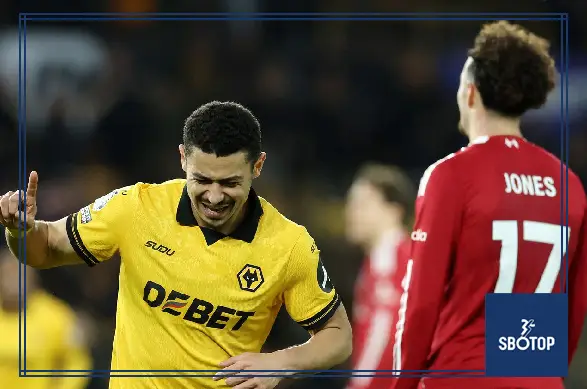
The match against Wolverhampton Wanderers F.C. will be remembered for its dramatic climax. Liverpool led for most of the game after an early goal, controlling possession and creating chances. Yet, in stoppage time, Wolves’ Andre scored a stunning winner, snatching victory from the champions at the death.
This goal set a record for the latest goal conceded by Liverpool in a Premier League season, surpassing previous instances where the team had shown resilience even in late-game scenarios. What makes this record-breaking event more striking is the context: Wolves were positioned near the bottom of the table, making the loss a significant blow to Liverpool’s campaign.
Fans and commentators quickly labeled the defeat as “devastating” and “a moment of disbelief,” but a deeper analysis reveals that luck had little to do with the outcome.
Understanding the Structural Weakness
Arne Slot’s Liverpool has a reputation for tactical innovation, including high pressing, fluid positional rotations, and aggressive transitions. While these strategies have historically yielded impressive attacking returns, they also introduce vulnerabilities in moments of defensive transition—especially in the closing stages of matches.
Key structural weaknesses include:
- High Defensive Line Risks: Slot’s insistence on maintaining a high line invites opportunities for fast counterattacks. Wolves exploited this in the final minute, stretching the defense with pace and precision.
- Midfield Gaps: Aggressive pressing often leaves space between the midfield and defensive lines. Wolves’ decisive attack capitalized on a momentary lapse in midfield coverage.
- Concentration in Stoppage Time: Mental fatigue plays a critical role. Late goals are rarely accidents; they occur when defensive players misread situations, lose focus, or fail to execute pre-planned coverage.
These factors suggest that Liverpool’s problems are systemic rather than isolated incidents. The late defeat at Wolves is part of a broader pattern in which high-pressure moments expose vulnerabilities inherent in the team’s tactical philosophy.
Wolves’ Tactical Exploitation
Wolves’ approach in the game was deliberate and highly effective. Knowing Liverpool’s tendency to push players forward in search of dominance, Wolves maintained a compact defensive structure while looking for moments to exploit space.
Key tactical points from Wolves’ performance:
- Defensive Organization: Wolves stayed disciplined, allowing Liverpool to dominate possession without creating clear-cut opportunities.
- Counterattacking Precision: Wolves executed rapid transitions, exploiting the high defensive line with accurate long passes.
- Targeted Runs: Andre and other forwards timed their movements perfectly, slipping through gaps that emerged due to Liverpool’s pressing aggression.
The stoppage-time goal was the culmination of these tactical elements, demonstrating that Wolves’ success was the result of careful planning rather than fortuitous circumstances.
The Psychology of Conceding Late Goals
One overlooked factor in Liverpool’s recurring late-game issues is psychological. Conceding in stoppage time is rarely purely tactical; mental fatigue, pressure management, and confidence all play a role.
- Mental Fatigue: Players expend enormous energy executing high pressing and rapid transitions. By the 90th minute, lapses in concentration become more likely.
- Complacency Risk: Leading against lower-ranked teams can create a false sense of security, causing players to momentarily relax key defensive responsibilities.
- Pressure Handling: Champions are expected to maintain composure under all circumstances. Yet, subtle pressure from an organized opponent exploiting spaces can cause micro-errors that lead to decisive goals.
Slot must consider these psychological dimensions when preparing the team, especially in matches where late-game intensity can dictate outcomes.
Analysis of Defensive Moments
The stoppage-time goal was the result of multiple small errors that compounded:
- Delayed Reaction: A defender was slow to close down Andre, allowing him to receive the pass comfortably.
- Positional Drift: One center-back drifted slightly out of position, creating a passing lane that Wolves exploited.
- Communication Breakdown: The defensive line failed to maintain cohesion during the transition from attack to defense, leaving one player isolated.
These moments illustrate that conceding isn’t about luck—it is about predictable vulnerabilities in positioning, reaction time, and coordination.
Slot’s Tactical Philosophy Under Scrutiny
Arne Slot’s approach emphasizes aggressive offense and proactive ball recovery. While effective in controlling matches, this style inherently carries risks:
- Exposure to Counters: By pushing full-backs high and committing midfielders forward, Liverpool leave space for rapid counterattacks.
- Reliance on Individual Recovery: Slot expects defenders and midfielders to recover spaces quickly. Fatigue or misjudgment can be costly.
- Late-Game Scenarios: Tactical intensity can decline slightly due to fatigue or split-second hesitation, allowing opponents to capitalize in the dying minutes.
Slot’s philosophy has delivered success, but the Wolves match demonstrates that refinement is needed to prevent structural collapse in critical moments.
Patterns of Late Goals
Liverpool’s loss to Wolves is not an isolated incident. Reviewing previous matches under Slot reveals a pattern:
- A significant percentage of goals conceded occur after the 85th minute.
- Opponents exploiting high lines or pressing errors often score in the final five minutes.
- Fatigue and momentary concentration lapses amplify tactical vulnerabilities.
These patterns reinforce the idea that structural and psychological factors, rather than random misfortune, are the true drivers of late-game concessions.
Improving Defensive Cohesion
Addressing these vulnerabilities requires both tactical and mental solutions:
- Compactness in Final Minutes: Adjusting the defensive line during stoppage time to reduce exploitable space.
- Rotation and Fatigue Management: Ensuring players retain focus and physical sharpness until the final whistle.
- Clear Communication Protocols: Reinforcing defensive communication to prevent misalignment in high-pressure moments.
- Scenario-Based Training: Practicing counterattack defense and stoppage-time management in training sessions.
Implementing these measures can mitigate the structural weaknesses that have led to late goals.
Player Contributions and Responsibility
While tactical frameworks are critical, individual accountability also matters. Players must maintain concentration, anticipate threats, and execute defensive responsibilities flawlessly.
Key areas for improvement include:
- Positioning Awareness: Maintaining correct spacing between defenders.
- Tracking Runs: Anticipating attackers’ movement, particularly in transition phases.
- Decision-Making Under Pressure: Reacting quickly and effectively in high-stakes situations.
Slot must balance systemic adjustments with clear expectations of player responsibility to strengthen Liverpool’s defensive reliability.
Wolves’ Victory A Lesson in Opportunism
Wolves’ win is a case study in exploiting opponent weaknesses with discipline and intelligence. The victory demonstrates that:
- Organized lower-ranked teams can overcome elite opponents through tactical precision.
- Exploiting structural flaws, even in brief moments, can determine outcomes.
- Football matches are often decided by micro-moments rather than continuous dominance.
For Liverpool, the defeat should serve as a lesson in respect for opponent strategies and awareness of vulnerability, regardless of the scoreline.
Broader Implications for the Season
The stoppage-time loss has wider implications for Liverpool’s campaign:
- Points Lost: Dropping points against lower-ranked teams can influence title challenges.
- Psychological Impact: Repeated late-game goals can affect team confidence and concentration.
- Tactical Refinement Needed: Slot’s philosophy must evolve to address vulnerabilities without compromising offensive strengths.
Addressing these issues promptly is crucial for Liverpool’s title ambitions and long-term consistency.
Media and Fan Reaction
The match generated significant media coverage, emphasizing the dramatic finish and Liverpool’s defensive lapses. Analysts highlighted the recurring theme of late goals, suggesting that systemic changes are necessary.
Fans expressed frustration over the preventable nature of the defeat, yet many acknowledged Wolves’ tactical discipline and Andre’s finishing brilliance. Social media discussions centered on whether the loss was a wake-up call for Liverpool or a minor blip in an otherwise strong campaign.
Also Read:
- SBOTOP Reporter’s Notebook: Sarina Wiegman’s Lionesses Highlight Team Unity in Emotional Win Against Ukraine
- SBOTOP: Andre’s Last-Minute Strike Seals Shocking Wolves Victory Over Reigning Champions Liverpool at Molineux
- SBOTOP: Diarra’s Penalty Secures Sunderland Victory Amid Controversy as Leeds Fall 1-0