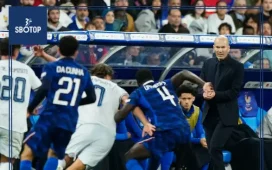
The England national football team have taken another decisive step in their evolving international project by naming a refreshed squad for upcoming international friendlies against Uruguay and Japan. The latest selection marks a notable moment in the early tenure of head coach Thomas Tuchel, who continues to shape his vision for the national side with a blend of established stars and returning talents.
Among the headline inclusions are Ben White and Harvey Barnes, two players whose form and versatility have earned them renewed recognition at international level. Their return signals both tactical flexibility and a willingness from Tuchel to widen England’s competitive pool ahead of a packed international calendar.
As England prepare for high-quality opposition in Uruguay and Japan, the squad announcement has sparked discussion about selection philosophy, tactical experimentation, and the long-term direction of the national team.
A New Era of Squad Building Under Thomas Tuchel
Since taking charge, Thomas Tuchel has approached the England job with a clear emphasis on structure, adaptability, and competition for places. Known for his tactical intelligence and meticulous preparation at club level, Tuchel has begun implementing a more dynamic selection approach that prioritizes form, system compatibility, and positional versatility.
Rather than relying solely on established reputations, Tuchel has shown willingness to rotate personnel depending on opposition and match context. The inclusion of Ben White and Harvey Barnes is consistent with this approach, as both players offer different tactical solutions.
England’s friendlies against Uruguay and Japan are viewed as critical tests, not just for results, but for assessing how different profiles perform within Tuchel’s evolving system.
Ben White’s Return Tactical Flexibility at the Back
The return of Ben White to the England setup is one of the most significant talking points of the squad announcement. A defender known for his composure, intelligence, and technical ability, White offers Tuchel multiple tactical options.
Primarily operating as a right-sided defender, White is comfortable both in a traditional back four and as part of a back three system. His ability to step into midfield during possession phases makes him particularly valuable in Tuchel’s structured build-up play.
At club level, White has developed into a modern defender capable of contributing to attacking phases while maintaining defensive discipline. His versatility allows England to shift formations mid-game without substitutions, an asset that Tuchel values highly.
Defensively, White is known for his anticipation rather than aggression. He reads the game well, often intercepting passes and neutralizing danger before it develops. In possession, he is calm under pressure and capable of initiating attacks with accurate distribution.
His return to the squad suggests Tuchel is keen to reinforce defensive flexibility ahead of more competitive fixtures in the future.
Harvey Barnes Directness and Attacking Threat on the Wing
The inclusion of Harvey Barnes adds a different dimension to England’s attacking options. A natural winger, Barnes is known for his pace, direct running, and ability to stretch defensive lines.
Unlike more possession-oriented wide players, Barnes thrives in transition. His game is built on quick breaks, one-on-one situations, and attacking space behind defenders. This makes him a particularly effective option against teams that play a high defensive line.
For Tuchel, Barnes offers a valuable tactical tool. In matches where England need to increase tempo or break down compact defenses, his direct style can provide a different attacking rhythm.
Barnes also brings an eye for goal, often arriving late into attacking positions to finish moves. His ability to contribute goals from wide areas adds depth to England’s offensive structure.
His return to the squad is seen as a reward for consistent club performances and a recognition of his unique skill set.
Tactical Identity Taking Shape Under Tuchel
Although still early in his tenure, Thomas Tuchel is gradually shaping England’s tactical identity. His approach appears to emphasize controlled possession, structured pressing, and positional fluidity.
England are expected to operate with flexible formations, potentially shifting between a 3-4-2-1 and a 4-3-3 depending on opposition structure. This adaptability requires players who can perform multiple roles, which explains the inclusion of versatile profiles like White.
Tuchel’s systems often rely on full-backs or wide defenders stepping into midfield areas, creating numerical superiority in central zones. White’s comfort in these situations makes him an ideal fit.
Meanwhile, wide attackers like Barnes provide the necessary vertical threat to balance England’s possession-heavy approach.
Uruguay and Japan Contrasting Tactical Challenges
The upcoming friendlies against Uruguay and Japan present contrasting tactical tests for England.
Uruguay are traditionally known for their physicality, defensive organization, and competitive intensity. Matches against South American opposition often require patience, resilience, and the ability to manage transitions effectively.
Japan, on the other hand, offer a very different challenge. Known for their technical ability, disciplined pressing, and rapid ball movement, Japan will test England’s structural discipline and defensive coordination.
For Tuchel, these fixtures are ideal preparation opportunities. They allow experimentation against two distinct footballing styles, helping to evaluate how players adapt to varying tactical demands.
Competition for Places Intensifies
One of the most significant outcomes of Tuchel’s squad selections is the increased competition for places. No position in the England setup appears guaranteed, with form and tactical fit now playing a major role in selection decisions.
The inclusion of Ben White adds further competition in defensive areas, where England already possess a strong pool of talent. Similarly, Harvey Barnes adds depth to an already competitive group of attacking wide players.
This internal competition is expected to raise performance levels across the squad. Players are aware that international selection is now more dynamic, with opportunities available for those performing consistently at club level.
Squad Balance and Long-Term Planning
Beyond immediate fixtures, Tuchel’s selections reflect a longer-term strategic approach. England are preparing not just for friendly matches, but for major international tournaments where squad depth and adaptability are essential.
Balancing experience with emerging talent is a key priority. While established players provide leadership and stability, newer or returning players inject energy and tactical variety.
Ben White’s inclusion strengthens defensive depth, while Harvey Barnes offers attacking unpredictability. Together, they represent the type of balanced squad construction Tuchel appears to be prioritizing.
The Role of Friendlies in Modern International Football
International friendlies have evolved significantly in modern football. While they were once viewed as low-stakes matches, they are now crucial for tactical development, squad assessment, and system implementation.
For managers like Tuchel, these matches are opportunities to test ideas under competitive conditions without the pressure of tournament elimination.
Against Uruguay and Japan, England will likely experiment with formations, pressing structures, and player combinations. The performances of returning players like White and Barnes will be closely analyzed to determine their suitability for future competitive squads.
Player Development and International Opportunity
For players, international selection represents both recognition and opportunity. Ben White and Harvey Barnes will view their call-ups as chances to cement their roles within Tuchel’s system.
Strong performances in these fixtures could significantly influence their long-term international futures. Conversely, inconsistency could see them rotated out as competition intensifies.
This dynamic environment encourages high performance levels and ensures that England maintain a competitive edge within their squad structure.
Fan Expectations and Public Reaction
England squad announcements often generate strong public and media reactions, and this selection is no different. The return of familiar names alongside tactical experimentation has sparked debate among supporters.
Some view Tuchel’s approach as refreshing, emphasizing merit and tactical flexibility. Others are cautious, preferring stability ahead of competitive tournaments.
However, there is widespread agreement that matches against Uruguay and Japan will provide valuable insight into England’s development under new leadership.
Building Toward Competitive Success
While friendlies offer experimentation, the ultimate goal for Thomas Tuchel and the England national team remains success in major tournaments. Squad selections like this one are part of a broader process aimed at building cohesion, depth, and tactical clarity.
Ben White’s defensive versatility and Harvey Barnes’ attacking directness both contribute to this long-term vision. Their inclusion reflects a system in transition—one that values adaptability and competition.
As England continue to evolve under Tuchel, each squad announcement becomes a piece of a larger puzzle. The aim is not just to select the best players, but to build the most effective team.
Also Read:
- SBOTOP: Khadija “Bunny” Shaw Elevates Scoring Standards as Manchester City Move Within Reach of Women’s Super League Glory
- SBOTOP: Stability Signals at Manchester United as Michael Carrick Gains Ground with No Rival Talks for Permanent Manager Role
- SBOTOP: Momentum Shift in the Premier League Race as Manchester City’s Cup Final Triumph Over Arsenal Sends a Powerful Statement