England step into a new tactical chapter as Thomas Tuchel prepares to experiment with his squad in a high-profile clash against Uruguay, a match that carries significance far beyond the result itself. With questions growing around how the Three Lions function without their talismanic striker Harry Kane, this fixture offers a crucial opportunity to test new ideas, reshape attacking patterns, and explore alternative leadership structures within the team.
For Tuchel, the challenge is not simply to replace a player—it is to redefine how England attack, create, and finish in the absence of one of the most consistent goal scorers in international football history.
A New Era Begins Without a Familiar Focal Point
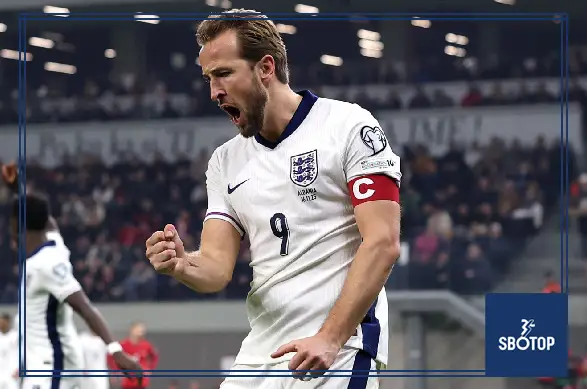
For nearly a decade, England’s attacking identity has revolved around Harry Kane. His ability to drop deep, link play, and still arrive in the box to score made him more than just a striker—he was the system itself.
Now, Tuchel faces the task of constructing a new framework. The absence of Kane forces a rethink not only in personnel but in philosophy. England must now consider whether to replicate Kane’s role through a different player or evolve into a more fluid attacking unit that spreads responsibility across multiple positions.
Against Uruguay, Tuchel is expected to test both approaches.
Tactical Flexibility as Tuchel’s Key Weapon
Tuchel has built his reputation on adaptability. His teams rarely stick rigidly to one formation, instead shifting shape depending on the opponent and available players. That flexibility will be central to England’s transition.
Without Kane, England could move toward a more dynamic front line, where attackers interchange positions rather than relying on a fixed number nine. This approach would emphasize movement, unpredictability, and pressing intensity.
Alternatively, Tuchel may experiment with a traditional striker role filled by a different profile—someone more focused on occupying defenders and finishing inside the box rather than dropping deep to orchestrate play.
The match against Uruguay provides a perfect testing ground for these variations.
Potential Candidates to Lead the Line
Replacing Kane is not about finding a direct copy—it is about identifying players who can collectively replicate his influence.
England’s squad includes several forwards capable of stepping into more prominent roles. Some offer pace and directness, others provide physical presence, while a few bring technical creativity.
One possible approach is to deploy a rotating front three, where no single player is tasked with leading the line consistently. This would allow England to exploit spaces more effectively, especially against teams that struggle with movement and positional fluidity.
Another option is to select a central striker who thrives in a more traditional role, focusing on finishing rather than playmaking.
Tuchel’s decision will reveal much about the direction he intends to take.
Midfield’s Increasing Responsibility
Without Kane dropping into midfield to link play, England’s central players must assume greater creative responsibility. The midfield will need to control tempo, dictate transitions, and provide the passes that unlock defensive lines.
This shift could lead to a more structured midfield setup, with clearly defined roles:
- A deep-lying playmaker to initiate attacks
- A box-to-box presence to support both defence and attack
- An advanced midfielder tasked with creating chances in the final third
The balance between these roles will be critical. Too defensive, and England risk losing attacking threat. Too aggressive, and they may become vulnerable to counterattacks.
Tuchel’s challenge is to find the perfect equilibrium.
Uruguay as the Perfect Test
Facing Uruguay adds an extra layer of intrigue. Known for their defensive organisation, physicality, and tactical discipline, Uruguay present a different type of challenge compared to European opposition.
Their ability to close spaces quickly and win physical duels will test England’s new attacking structure. Without Kane’s hold-up play, England must find alternative ways to maintain possession under pressure.
This could involve quicker passing sequences, wider attacking play, or increased reliance on overlapping full-backs.
The match will not only test England’s creativity but also their resilience against a team that thrives in tightly contested games.
Leadership Without Kane
Beyond tactics, Kane’s absence also raises questions about leadership. As captain and a central figure in the squad, his influence extends beyond goals.
Tuchel must now identify new leaders within the team—players who can organise, motivate, and maintain composure in critical moments.
Leadership may become more distributed, with multiple players sharing responsibility rather than relying on a single figure. This approach can strengthen team cohesion but requires strong communication and mutual understanding.
The Uruguay match offers an early glimpse of how this dynamic will evolve.
Defensive Adjustments and Transition Play
While much of the focus is on attack, Kane’s absence also affects defensive transitions. His ability to retain possession and slow the game often allowed England to reset their defensive shape.
Without that outlet, England must be more efficient in transitioning from attack to defence. Losing the ball in advanced areas could leave them exposed, especially against a team like Uruguay that excels on the counter.
Tuchel may respond by instructing full-backs to be more cautious or by positioning midfielders deeper during attacking phases.
Defensive discipline will be just as important as attacking creativity.
The Importance of Width and Pace
One of the most likely adjustments is an increased emphasis on width. Without a central figure dominating the penalty area, England may look to stretch the pitch and create opportunities through crosses, cutbacks, and wide combinations.
Wingers and full-backs will play a crucial role in this approach. Their ability to beat defenders, deliver accurate balls into the box, and track back defensively will be key to maintaining balance.
Pace becomes an even greater weapon in this system. Quick transitions and direct running can compensate for the absence of a traditional focal point.
Psychological Impact on the Squad
Adapting to life without a player of Kane’s stature is not just a tactical challenge—it is a psychological one. Players must adjust to new roles, increased responsibility, and the pressure of stepping into a leadership vacuum.
For some, this presents an opportunity to shine. For others, it may require time to build confidence.
Tuchel’s role extends beyond tactics. He must manage expectations, maintain morale, and ensure that the team remains united during this transitional phase.
The Uruguay match serves as an early test of that psychological resilience.
Long-Term Implications for England
While this match is important, it is also part of a broader process. Tuchel is not just preparing for one game—he is shaping England’s identity for future tournaments.
The lessons learned against Uruguay will inform future selections, tactical decisions, and overall strategy. Success will not be measured solely by the result but by the progress shown in adapting to new circumstances.
If England can develop a more versatile and unpredictable attacking style, they may emerge stronger in the long run.
Also Read:
- SBOTOP: Sammie Szmodics Discharged From Hospital After Frightening Collision in World Cup Play-Off Match
- SBOTOP : Rio Ferdinand Highlights Sir Alex Ferguson Influence in Arteta’s Arsenal Title Charge
- SBOTOP: Wales Fall Short in World Cup Quest as Craig Bellamy’s Exciting Football Project Faces a New Era After Heartbreaking Exit