European nights can elevate careers, define seasons, and sometimes brutally end dreams. For Liverpool FC, this was one of those nights where hope slowly faded under relentless pressure, ending in a 2–0 defeat on the night and a 4–0 aggregate elimination at the hands of Paris Saint-Germain in the UEFA Champions League.
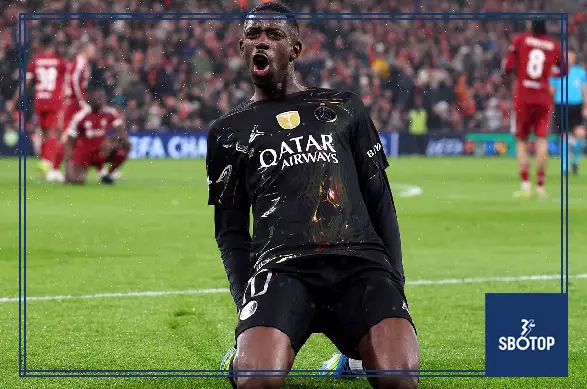
The headline act belonged to Ousmane Dembélé, whose clinical double sealed Liverpool’s fate and sent PSG comfortably into the next round. For Liverpool, it was a night of frustration, missed opportunities, and growing questions about their effectiveness on the biggest stage.
A Mountain Too Steep from the Start
Coming into the second leg, Liverpool already faced a difficult challenge after the first match left them trailing on aggregate. The atmosphere at Anfield was charged with hope, but also tension, as fans knew the margin for error was gone.
From the opening whistle, PSG showed no intention of sitting back. Their approach was sharp, aggressive, and built on controlling transitions. Liverpool, meanwhile, tried to impose their trademark intensity, pressing high and attempting to force early mistakes.
However, PSG’s composure under pressure quickly became evident.
PSG’s Tactical Control Begins to Emerge
PSG’s game plan was clear: absorb Liverpool’s early pressure and exploit space in behind. Their midfield structure remained compact, while their forwards waited for opportunities to break quickly.
Key tactical elements included:
- Compact defensive block
- Rapid counterattacks
- Wide attacking overloads
- Smart positional rotations
Liverpool found themselves chasing the ball more often than controlling it, which gradually shifted momentum toward the visitors.
First Half Pressure Without Reward for Liverpool
Liverpool’s intent was undeniable. They pressed aggressively, pushed full-backs forward, and attempted to pin PSG into their own half.
But the problem was efficiency.
Despite creating pressure, Liverpool struggled to generate clear scoring opportunities. Final passes lacked precision, and PSG’s defensive structure remained disciplined.
Every Liverpool attack seemed to meet a wall of organized resistance.
Ousmane Dembélé Strikes First
The breakthrough came against the run of Liverpool’s pressing momentum.
A quick PSG transition exposed space behind Liverpool’s advanced defensive line. The ball was moved rapidly into attacking areas, and Ousmane Dembélé finished with composure and precision.
The goal silenced the stadium and shifted the tie dramatically.
Now trailing not just on the night but heavily on aggregate, Liverpool faced an uphill battle that felt increasingly impossible.
Liverpool’s Response Energy Without End Product
After conceding, Liverpool attempted to respond immediately. Their intensity increased, and they pushed even more players forward in search of a lifeline.
However, PSG’s defensive discipline remained strong.
Liverpool’s issues included:
- Lack of clinical finishing
- Overcrowded attacking zones
- Difficulty breaking defensive lines
- Missed timing in final passes
The effort was there, but the execution was not.
PSG’s Second Goal The Final Blow
As Liverpool committed more bodies forward, PSG found more space in transition.
The second goal was a textbook example of efficiency in knockout football. A swift counterattack caught Liverpool out of position, and once again, Dembélé delivered.
His second goal of the night effectively ended the contest.
At 2–0 on the night and 4–0 on aggregate, the tie was beyond Liverpool’s reach.
Liverpool’s Tactical Struggles Under Pressure
Liverpool’s approach under Arne Slot has often focused on structured pressing and quick transitions, but PSG exposed key vulnerabilities in this system.
Key issues included:
- High defensive line exposed by pace
- Midfield gaps during transitions
- Inefficiency in final third
- Overcommitment in attack leaving space behind
These factors combined to make Liverpool vulnerable whenever PSG broke forward.
PSG’s Midfield Control Makes the Difference
One of the most decisive areas of the match was midfield control.
PSG’s midfielders dictated tempo by:
- Retaining possession under pressure
- Switching play quickly
- Breaking Liverpool’s press with vertical passes
- Controlling game rhythm in key moments
Liverpool’s midfield worked tirelessly but struggled to consistently disrupt PSG’s structure.
Defensive Discipline from PSG
While Dembélé’s goals grabbed headlines, PSG’s defensive performance was equally important.
They maintained:
- Compact defensive shape
- Strong communication between lines
- Effective marking of Liverpool’s attackers
- Quick recovery after losing possession
This structure ensured Liverpool rarely found clean looks at goal.
Anfield Atmosphere Passion Meets Frustration
The atmosphere inside Anfield was intense from start to finish. Fans tried to lift the team, especially after the first goal, but frustration gradually grew as chances went begging.
By the time PSG scored their second, the emotional energy in the stadium had shifted from belief to resignation.
Arne Slot’s European Reality Check
For Arne Slot, this result represents a harsh lesson in elite European competition.
While his tactical philosophy has brought structure and identity to Liverpool, this tie exposed areas needing improvement.
Key takeaways:
- Need for greater defensive stability in transition
- More clinical finishing in key matches
- Better control against counterattacking teams
- Tactical adaptability in knockout ties
European football often punishes small mistakes, and PSG capitalized on nearly every one.
Ousmane Dembélé The Match Winner
The standout performer of the night was unquestionably Ousmane Dembélé.
His performance highlighted:
- Explosive pace in transition
- Clinical finishing under pressure
- Intelligent movement off the ball
- Ability to exploit defensive gaps
Dembélé’s two goals not only decided the match but defined the entire tie.
Liverpool’s Missed Opportunities
Despite the scoreline, Liverpool did have moments where the match could have changed.
However, key chances were not converted, and PSG’s goalkeeper was rarely forced into extended periods of emergency saves.
In knockout football, such inefficiency is often fatal.
PSG’s Progression A Statement of Intent
For PSG, this victory is more than just qualification—it is a statement.
They demonstrated:
- Tactical discipline
- Clinical finishing
- Composure in hostile environments
- Ability to manage two-legged ties
Their progression in the UEFA Champions League will now raise expectations further.
The Bigger Picture for Liverpool
Despite the disappointment, Liverpool must now look forward.
Their season is not defined by this single result, but this defeat will prompt reflection on:
- Squad depth
- Tactical flexibility
- European consistency
- Big-game execution
Under Arne Slot, this team is still evolving, and setbacks like this are part of the learning process.
Also Read:
- SBOTOP: Atletico Madrid Fall 1–2 to Barcelona on the Night but Advance 3–2 on Aggregate to Reach Champions League Semi-Finals
- SBOTOP: Arne Slot Frustrated as VAR Call Cancels Penalty in Liverpool’s Champions League Exit to PSG
- SBOTOP: Portsmouth Strengthen Survival Push with 2–0 Win Over Ipswich as Promotion Hopes Take a Blow for the Tractor Boys