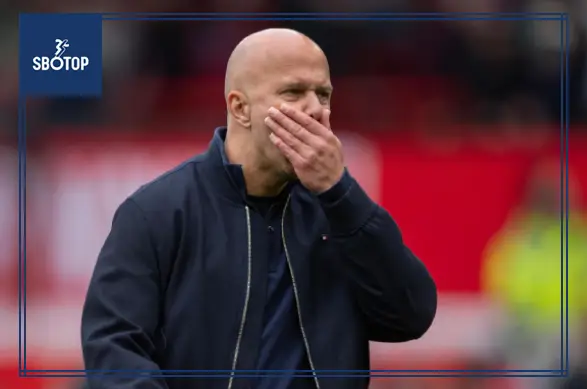
Liverpool are once again under scrutiny after failing to secure all three points against Chelsea at Anfield. The disappointing draw has reignited questions about consistency and control under Arne Slot, especially in matches where the Reds are expected to dominate.
What made the result more frustrating for supporters was not just the dropped points, but the familiar pattern that unfolded once again. Liverpool started brightly, took the lead, but gradually lost control of the match—allowing Chelsea to grow into the game and eventually find an equaliser.
The performance sparked sharp criticism from journalist Lewis Steele, who suggested that Liverpool have developed a worrying habit of making average opposition look far more dangerous than they actually are.
Liverpool’s Inconsistency Under Arne Slot Raises Questions
The reaction following the Chelsea match reflects a growing concern around Liverpool’s game management. While there are moments of strong attacking football, they are often followed by periods of decline in intensity and control.
Liverpool initially looked sharp and took the lead through Ryan Gravenberch, giving Anfield hope of a routine win. However, the momentum quickly shifted as Chelsea began to find space and confidence.
Key issues highlighted from the match include:
- Loss of control after taking the lead
- Drop in pressing intensity in midfield
- Defensive gaps appearing under pressure
- Lack of game management in key moments
- Inability to sustain dominance for 90 minutes
These recurring problems have become a pattern throughout the season, raising concerns about consistency under Arne Slot system.
Lewis Steele Delivers Blunt Assessment of Liverpool’s Performance
Speaking on Media Matters via Anfield Index, Daily Mail journalist Lewis Steele expressed frustration at what he sees as a repeated issue in Liverpool’s performances.
He explained that Liverpool often go through short spells of good football but fail to maintain that level throughout matches.
Steele said:
- Liverpool only play well in brief periods
- Around 80% of matches lack control and stability
- The team repeatedly loses rhythm after strong starts
- Opponents are allowed back into games too easily
His comments reflect a broader concern that Liverpool are not sustaining dominance, even in matches where they take early control.
“They Forget They Are a Good Team” – Loss of Control Highlighted
One of the strongest criticisms from Steele focused on Liverpool’s mentality once they go ahead in matches. Instead of maintaining pressure, he believes the team becomes passive and allows opponents to dictate play.
He added that Liverpool seem to “forget they are a good team” once in a winning position, often dropping deeper and inviting pressure unnecessarily.
This tactical shift has led to several recurring problems:
- Opponents gaining confidence at Anfield
- Midfield lines dropping too deep
- Reduced pressing in advanced areas
- Increased pressure on defensive structure
- Momentum shifting away from Liverpool
This pattern was once again visible against Chelsea, as Liverpool gradually retreated and lost their grip on the match.
Chelsea “Too Comfortable” at Anfield Despite Poor Form
Perhaps the most concerning aspect of the draw was how comfortable Chelsea appeared during long stretches of the game. According to Steele, a team struggling for consistency was able to look organised and confident at Anfield.
He noted that Chelsea, despite their own poor form, were allowed to grow into the match due to Liverpool’s drop in intensity.
Steele stated:
- Chelsea looked more confident as the game progressed
- Liverpool stopped applying sustained pressure
- Momentum shifted too easily toward the visitors
- The equaliser felt predictable before it happened
Dave Davis, also speaking on the programme, echoed similar concerns, suggesting that fans inside the stadium could feel the shift in momentum well before Chelsea scored.
Growing Frustration Among Supporters at Anfield
The reaction from fans inside Anfield mirrored the concerns raised by analysts. As Liverpool began to sit deeper, frustration started to build in the stands.
Supporters were reportedly asking similar questions:
- Why is the team dropping deeper after scoring?
- Why is pressure not maintained on the opposition?
- Why does momentum disappear so quickly?
The atmosphere became increasingly tense as Chelsea gained confidence, eventually leading to the equalising goal that many felt was coming.
Pressure Increasing on Arne Slot as Patterns Continue
While Arne Slot is still in the early stages of his Liverpool project, the repetition of these issues is beginning to attract attention. The draw against Chelsea adds to a growing list of dropped points in matches where Liverpool were expected to win comfortably.
Earlier results against Wolves and Tottenham have already been cited as examples of similar problems, where control was lost despite strong positions in games.
Steele summarised the situation bluntly, suggesting that Liverpool’s biggest issue is not their ability to play well, but their inability to sustain it.
He argued:
- Liverpool make weaker teams look stronger than they are
- Game control is lost too easily after positive spells
- Tactical discipline fades during matches
- Opponents are consistently allowed back into games
“Groundhog Day” Feel as Familiar Problems Repeat
Dave Davis described Liverpool’s season as feeling like a “groundhog day”, where the same issues appear repeatedly regardless of opponent or competition.
This includes:
- Strong opening phases followed by decline
- Loss of midfield control under pressure
- Defensive vulnerability in transition
- Inconsistent intensity levels across matches
The concern is not just isolated performances, but a structural issue that continues to reappear throughout the season.
Conclusion: Liverpool Must Solve Consistency Problem Quickly
The draw against Chelsea has once again highlighted Liverpool’s ongoing struggle with consistency and game control. While the team remains capable of producing excellent football, the inability to maintain dominance for a full 90 minutes is becoming a major talking point.
For Arne Slot, the challenge now is clear: restore control, maintain intensity, and ensure Liverpool stop turning manageable matches into uncomfortable battles.
Until that happens, criticism from pundits and frustration from fans is unlikely to fade anytime soon.
ALSO READ :
- SBOTOP Gvardiol Shock Admission: Defender Surprised by Surprise Call-Up for Man City Clash vs Crystal Palace
- SBOTOP : Guardiola Drops FA Cup Final Injury Update as Rodri Doubt Clouds Man City Plans
- SBOTOP: Danny Röhl Reaffirms Commitment to Rangers as Board Support Strengthens Confidence Over His Future