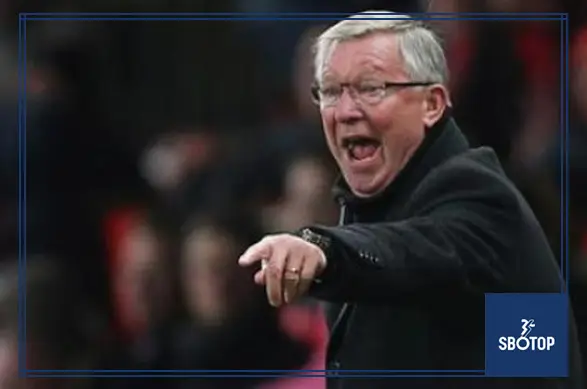
Few figures in football history command the same respect, fear, and admiration as Sir Alex Ferguson. The legendary Manchester United manager is widely regarded as one of the greatest coaches the sport has ever seen, and his legacy at Old Trafford remains almost untouchable. His dominance, discipline, and relentless pursuit of excellence shaped an entire generation—and even his own players admit they were often intimidated by him.
From transforming Manchester United into a global powerhouse to building the iconic Class of ’92, Ferguson’s influence goes far beyond trophies. It is a story of authority, culture, and a winning mentality that defined an era.
Sir Alex Ferguson’s Unmatched Manchester United Legacy
Sir Alex Ferguson’s managerial career at Manchester United is one of the most remarkable in football history. Over nearly three decades in charge, he managed around 1,500 matches, creating a dynasty that changed English football forever.
His achievements speak for themselves:
- 13 Premier League titles
- 5 FA Cups
- 2 UEFA Champions League trophies
- Countless domestic and international honors
Before his dominance in England, Ferguson already built a strong reputation at Aberdeen, where he famously broke the Old Firm dominance in Scotland and secured three league titles. That success laid the foundation for what would become an era of total control in Manchester.
But Ferguson’s legacy is not just about winning—it’s about how he demanded perfection.
The Fear Factor: Ferguson’s Famous “Hairdryer Treatment”
One of the most talked-about aspects of Sir Alex Ferguson’s management style was his intensity. He was known for his strict discipline and emotional outbursts, famously referred to as the “hairdryer treatment”—a fierce verbal dressing-down delivered to players who failed to meet his standards.
At Manchester United, no one was exempt. Whether a young academy prospect or a global superstar, everyone was treated the same when expectations were not met.
Key traits of Ferguson’s leadership style:
- Absolute discipline with zero favoritism
- High emotional intensity during matches and training
- Constant demand for winning mentality
- Strong control over dressing room culture
- Immediate accountability for mistakes
This approach created a culture of pressure—but also a culture of success.
The Class of ’92: Ferguson’s Greatest Masterpiece
Among Sir Alex Ferguson’s many achievements, one stands out as truly iconic: the development of the “Class of ’92.” This legendary group of academy graduates became the backbone of Manchester United’s most successful era.
The group included:
- Ryan Giggs
- David Beckham
- Gary Neville
- Phil Neville
- Paul Scholes
- Nicky Butt
Together, they helped Manchester United dominate English football and achieve the historic treble in 1999, winning the Premier League, FA Cup, and UEFA Champions League in a single unforgettable season.
Despite their talent and success, even these players were not immune to Ferguson’s strict management style.
David Beckham and the Ferguson Fallout
One of the most well-known stories from this era involves David Beckham’s relationship with Sir Alex Ferguson. While Beckham became one of the most famous footballers in the world, his time at Manchester United ended on a difficult note.
A clash between player and manager eventually led to Beckham’s departure to Real Madrid in 2003. The move marked the end of an era, but also highlighted Ferguson’s uncompromising approach to authority and discipline.
Beckham later admitted that the transfer left a deep emotional impact, revealing that he could not even watch Manchester United matches for several years after leaving the club.
Despite the tension, respect between the two never disappeared completely.
“We Were Afraid of Him”: The Class of ’92 Confession
In later interviews, members of the Class of ’92 openly reflected on what it was like playing under Sir Alex Ferguson. One of the most striking admissions came from David Beckham, who revealed that fear was a real part of their daily environment at Manchester United.
He stated that he and his teammates were “very scared” of Ferguson—not in a negative sense, but as a reflection of his authority and presence.
This environment even led to a nickname within the squad:
Ferguson was referred to as “The Godfather.”
Beckham explained that the nickname was not meant as a joke, but rather a recognition of Ferguson’s power, influence, and control within the club.
The Balance of Fear and Respect
What made Ferguson unique was his ability to balance fear with respect. While players were intimidated by his standards, they also admired his fairness, vision, and commitment to winning.
This combination created one of the most successful team cultures in football history.
Why Ferguson’s system worked:
- Players respected consequences
- Standards never dropped, even in training
- Competition within the squad stayed intense
- Winning mentality became automatic
- Loyalty was built through results and discipline
It was not an easy environment—but it was an effective one.
David Beckham’s Legacy Beyond United
Despite his difficult exit, David Beckham remains one of Manchester United’s greatest icons. During his time at Old Trafford, he won:
- 6 Premier League titles
- 2 FA Cups
- 1 UEFA Champions League trophy
He also finished as runner-up for the Ballon d’Or, highlighting his status among the world’s elite players.
After leaving Manchester United, Beckham went on to play for Real Madrid, LA Galaxy, AC Milan, and Paris Saint-Germain before retiring in 2013.
Beyond his playing career, Beckham became a global sports and business figure, eventually becoming co-owner of Inter Miami, a Major League Soccer club now famously featuring Lionel Messi. He has also built a highly successful business empire and is widely regarded as one of Britain’s most influential sporting figures.
Conclusion: A Legacy Defined by Authority and Greatness
Sir Alex Ferguson’s impact on Manchester United and world football is unmatched. He was not just a manager who won trophies—he was a leader who built a culture of excellence, discipline, and relentless ambition.
The Class of ’92 may have achieved greatness on the pitch, but they also grew up under one of the most demanding managers in history. Their stories reveal a man who inspired fear, demanded respect, and ultimately created legends.
Ferguson’s “Godfather” reputation was not just a nickname—it was a symbol of an era where Manchester United ruled football through discipline, belief, and an unbreakable winning mentality.
ALSO READ :