Few clubs in world football attract as much attention during transfer windows as Manchester United. Every summer at Old Trafford carries expectation, pressure, and endless debate about how the squad should evolve. This year feels no different, but one area has emerged as the clear focal point of discussion: midfield.
Former United captain and outspoken pundit Gary Neville has made his views clear regarding the club’s priorities. According to Neville, Manchester United’s midfield requires major restructuring if the team hopes to return to genuine Premier League and European contention.
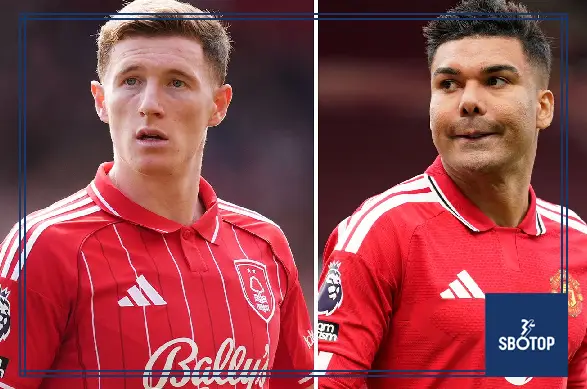
At the center of the conversation are growing concerns surrounding Casemiro and increasing speculation linking United with talented young midfielder Elliot Anderson. Together, these discussions reflect a broader question about Manchester United’s future identity, tactical direction, and long-term planning.
The upcoming transfer window may therefore become one of the most important periods in shaping the next chapter of the club’s rebuild.
Manchester United’s Midfield Problem
For several seasons, Manchester United’s midfield has represented both promise and frustration.
There have been moments where the team looked balanced, energetic, and technically capable. However, inconsistency remains a major issue. Against elite opposition, United have frequently struggled to control matches physically and tactically.
Gary Neville’s criticism reflects a growing belief among supporters and analysts that the midfield lacks:
- Consistent athleticism
- Positional discipline
- Progressive ball movement
- Defensive balance
- Long-term continuity
Modern football increasingly revolves around midfield control. Teams capable of dominating transitions and maintaining tactical structure usually compete for major trophies consistently.
Manchester United, despite possessing talented individuals, have often appeared disconnected in this critical area of the pitch.
Casemiro’s Uncertain Future
When Casemiro arrived at Manchester United, the signing was widely viewed as transformative.
The Brazilian brought elite experience, defensive intelligence, leadership, and winning mentality from his years at Real Madrid CF. Initially, his impact was immediate. United looked more stable, more competitive, and more emotionally resilient.
However, football changes quickly.
Recent performances have raised questions about whether Casemiro can continue operating at the same physical intensity required in the Premier League. Injuries, tactical demands, and age-related decline have all contributed to growing uncertainty around his long-term role.
Neville’s comments reflect a difficult reality facing many elite clubs: even legendary players eventually require succession planning.
Replacing a midfielder of Casemiro’s experience is not simply about finding technical quality. It is about replacing leadership, tactical awareness, and emotional presence.
Why Midfield Defines Modern Football
One reason Neville has emphasized midfield rebuilding so strongly is because the modern game increasingly revolves around control of central spaces.
The best teams in Europe dominate through:
- Ball retention
- Transition management
- Press resistance
- Positional fluidity
- Tactical adaptability
Manchester United have often struggled in these areas against top-level opponents.
When midfield balance collapses, defensive vulnerability increases dramatically. Attackers receive less support, defenders face greater exposure, and the entire structure becomes unstable.
This is why Neville believes midfield reconstruction must become the club’s top priority rather than simply chasing high-profile attacking signings.
Elliot Anderson and the Search for Energy
Amid discussions about experienced players, the reported interest in Elliot Anderson represents a different strategic direction.
Anderson is viewed as a young midfielder with energy, technical ability, and tactical versatility. While not yet established at the highest level, his profile aligns with what many believe Manchester United currently lack:
- Mobility
- Aggressive pressing
- Dynamic movement
- Long-term development potential
The link also reflects a broader shift happening across elite football. Clubs are increasingly prioritizing younger players capable of adapting to high-intensity tactical systems over aging stars with declining physical profiles.
Whether Anderson becomes a realistic target or not, the interest symbolizes Manchester United’s need for midfield rejuvenation.
Gary Neville’s Perspective on Rebuilding
As a former Manchester United captain, Gary Neville often speaks with emotional intensity about the club’s direction.
His recent comments regarding the midfield reflect frustration with years of inconsistent squad building. United have spent heavily in multiple transfer windows, yet structural issues remain unresolved.
Neville’s concern is not simply about individual players. Instead, he believes the club needs a clear football identity supported by coherent recruitment strategy.
In his view, midfield should become the foundation of that rebuild.
Modern elite teams rarely succeed without a strong central structure. Neville sees this as the missing element preventing Manchester United from consistently competing with clubs like Manchester City, Liverpool FC, and Arsenal FC.
The Physical Demands of the Premier League
Another major factor influencing United’s transfer priorities is the increasing physical intensity of the Premier League.
The league now demands relentless pressing, quick transitions, and athletic midfield coverage. Teams unable to match that intensity often struggle against aggressive opponents.
Casemiro’s experience and intelligence remain valuable, but the pace of English football can become unforgiving for players entering later stages of their careers.
United’s midfield has occasionally looked physically overwhelmed during high-tempo matches, especially against teams capable of rapid transitions.
This explains why younger, more mobile midfielders are becoming increasingly attractive targets.
Balancing Experience and Youth
One challenge Manchester United face this summer is finding the correct balance between experience and long-term development.
Completely rebuilding the midfield with only young players carries risks:
- Inconsistency
- Lack of leadership
- Tactical immaturity
- Emotional instability during pressure moments
At the same time, relying too heavily on aging stars risks slowing the team’s tactical evolution.
The ideal solution likely involves combining experienced leaders with younger, high-energy midfielders capable of growing into central roles over time.
This balancing act will define the success of United’s recruitment strategy.
The Emotional Weight of Casemiro’s Situation
Discussions about Casemiro are emotionally complicated because of his status within world football.
Few midfielders of his generation possess such extraordinary achievements:
- Champions League titles
- League trophies
- International success
- Experience in elite pressure environments
For Manchester United supporters, questioning a player of his stature can feel uncomfortable.
However, football’s reality is relentless. Clubs competing at the highest level must constantly evaluate whether players remain tactically and physically suited to evolving demands.
Neville’s comments reflect this difficult balance between respecting past greatness and planning for the future.
Manchester United’s Recruitment History Under Scrutiny
The debate surrounding the midfield also highlights broader concerns about Manchester United’s recruitment strategy over recent years.
The club has often been criticized for:
- Short-term decision-making
- Lack of tactical coherence
- Overpaying for established stars
- Failing to build balanced squads
Neville has repeatedly argued that recruitment must become smarter, more strategic, and aligned with a consistent football philosophy.
Targeting players like Elliot Anderson may suggest a shift toward identifying younger talents before they become globally established.
Whether the club can execute such a strategy successfully remains uncertain.
Tactical Identity Remains Unclear
One major issue influencing transfer decisions is the ongoing uncertainty surrounding Manchester United’s tactical identity.
Elite recruitment works best when clubs clearly understand:
- How they want to play
- What physical profiles they need
- Which tactical structures define the team
Manchester United have often appeared caught between different styles:
- Possession football
- Counterattacking transitions
- High pressing
- Defensive caution
Without clear tactical identity, even talented signings can struggle to integrate effectively.
Neville’s emphasis on midfield rebuilding reflects his belief that identity must begin centrally.
Why Midfielders Shape Team Personality
Midfielders often determine a team’s emotional and tactical personality more than any other position.
Aggressive midfielders create intensity.
Creative midfielders control rhythm.
Defensive midfielders provide stability.
Energetic midfielders sustain pressing systems.
Manchester United’s midfield has lacked consistent personality in recent seasons. At times, the team looks technically capable but emotionally fragile. In other moments, they appear energetic but tactically disorganized.
The transfer window therefore becomes about more than improving talent—it becomes about reshaping mentality.
Elliot Anderson’s Potential Role
If United were to pursue Elliot Anderson seriously, his role would likely involve gradual integration rather than immediate transformation.
Young midfielders require time to adapt to:
- Premier League pressure
- Tactical complexity
- Media scrutiny
- Emotional expectations at major clubs
However, Anderson’s energy and versatility could help address several issues currently affecting the squad.
He represents the type of modern midfielder increasingly valued in elite football:
- Comfortable under pressure
- Physically active
- Technically flexible
- Capable of multiple tactical roles
Whether he ultimately joins United or not, the profile itself reveals what the club may prioritize this summer.
The Pressure of Rebuilding at Manchester United
Rebuilding at Manchester United is uniquely difficult because patience rarely exists.
Every transfer receives enormous scrutiny. Every tactical decision becomes headline news. Supporters expect immediate progress despite long-term structural problems.
This pressure often leads clubs into reactive decision-making.
Neville’s comments suggest he wants United to resist short-term panic and instead focus on constructing a sustainable midfield capable of supporting future success over multiple seasons.
That approach requires discipline, clarity, and patience—qualities not always associated with recent United transfer windows.
The Summer Window Could Define the Next Era
The upcoming transfer window feels particularly important because Manchester United appear caught between eras.
The squad still contains experienced players from previous cycles, but younger talents are increasingly expected to lead the future.
How the club handles midfield recruitment may determine:
- Tactical direction
- Competitive level
- Long-term identity
- Ability to close the gap on rivals
Few positions influence football matches more consistently than midfield.
Neville understands this reality clearly, which explains why he continues emphasizing it so strongly.
Also Read:
- SBOTOP: Pep Guardiola’s Manchester City Future Clouded by Uncertainty as Title Race Reaches Defining Moment
- SBOTOP: Dominic Calvert-Lewin Breaks Brighton Hearts as Leeds Snatch Crucial Late Victory in European Race Twist
- SBOTOP: Sunderland Roar Back at Goodison Park as Stunning Comeback Against Everton Ignites European Ambitions