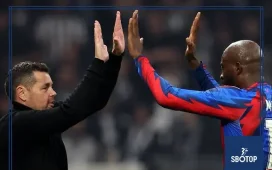
Norwich City transformed an afternoon of frustration into a memorable Championship victory, overturning a two-goal deficit to beat Watford 3-2 at Carrow Road on Saturday, 31 October 2026. Three second-half goals changed the direction of a match that had appeared firmly under the visitors’ control at the interval.
Myron Boadu’s first-half double gave Watford a commanding advantage, but Norwich responded through Ben Chrisene, Anthony Musaba and Paris Maghoma. The turnaround secured consecutive league victories for the Canaries and left the visitors reflecting on an opportunity that slipped away.
The result provided Norwich with more than an entertaining comeback. It demonstrated their ability to recover when early attacking promise had produced little reward. However, the defensive problems that created the deficit remained part of the story. Celebration and scrutiny could reasonably coexist after a contest containing sharply contrasting halves.
Early Promise Gives Way to Punishment
Norwich began with attacking intent rather than the hesitation that a two-goal half-time deficit might suggest. Jacob Wright threatened early, while Sam Field also went close. Those openings offered encouragement, but neither produced the breakthrough required to establish control on the scoreboard.
Watford instead struck through Boadu in the tenth minute. Iker Bravo supplied the pass, and the striker finished beyond goalkeeper Dan Grimshaw. Boadu added his second in the 27th minute after receiving Mattie Pollock’s delivery and getting past José Córdoba.
The sequence exposed the difference between having possession and protecting a match. Norwich could advance and create moments of danger, yet Watford’s direct attacks carried decisive consequences.
From an analytical perspective, the opening half illustrated how quickly attacking confidence can be undermined when defensive cover fails. Promising football elsewhere on the pitch cannot compensate automatically for opponents receiving clear opportunities.
Boadu Supplies Watford’s Cutting Edge
Boadu’s contribution was the foundation of Watford’s first-half advantage. His two finishes gave the visitors tangible reward and placed Norwich under pressure to find a response.
For a forward, scoring twice away from home should ordinarily provide a strong platform for a positive result. Yet an individual performance remains dependent on the wider team’s ability to preserve its benefits.
Watford’s eventual defeat does not erase the quality or importance of Boadu’s work. Equally, his goals cannot explain why the lead disappeared. Attacking execution and defensive protection require separate examination before their relationship can be understood.
The useful lesson is that a lead changes responsibilities without removing them. Once ahead, a team still needs ways to retain possession, support its forwards and prevent repeated pressure. Otherwise, the striker’s contribution can become increasingly isolated from the direction of the game.
Norwich Face a Different Task After the Interval
At half-time, Norwich needed a response that combined urgency with control. Chasing two goals can encourage rushed passes and ambitious shooting, but neither guarantees better opportunities.
The challenge was to keep attacks purposeful while reducing the exposure that Watford had already exploited. Sending additional players forward without coordination could have increased the deficit rather than reduced it.
What followed was a recovery built through different attacking situations. Norwich did not require one identical route to goal. A response around a set piece, an individual attacking run and a coordinated move each contributed to the comeback.
That variety matters when assessing the performance. It suggests the turnaround cannot be reduced simply to greater effort. Effort must connect with positioning, recognition of space and execution. The second half supplied those elements often enough to reverse the score.
Chrisene Provides the First Opening
Chrisene’s goal early in the second half gave Norwich the first step back into the contest. After Watford goalkeeper Federico Ravaglia kept out a Córdoba header, the defender converted the subsequent opportunity. The deficit was reduced, and the hosts had a practical reason to believe the match remained recoverable.
The importance of that moment extended beyond the change from 2-0 to 2-1. Norwich no longer needed two unanswered goals merely to draw level. Watford, meanwhile, had to manage a narrower advantage with substantial time remaining.
In tactical terms, situations following an initial save demand continued attention. Defending does not end when the first attempt is stopped. Attackers must remain alert to loose balls, while defenders need to recover positions and identify the next threat.
Chrisene’s intervention made that second phase decisive.
Musaba Brings Norwich Back to Level Terms
Musaba equalised in the 62nd minute, receiving a pass from Mathias Kvistgaarden before driving forward and finishing. His goal completed the recovery from a two-goal deficit and established a different contest for the remaining period.
Pace becomes particularly valuable when it is matched with a clear decision about where to attack. Carrying the ball quickly can unsettle defenders, but the final action still needs accuracy.
For Norwich, the equaliser also showed the value of connecting their forward players. The player delivering the pass and the runner receiving it contributed to the same attacking outcome.
Watford now faced a difficult adjustment. Protecting a lead was no longer possible because the advantage had gone. They needed to regain influence without allowing the urgency of their response to create further openings. Norwich, having restored parity, had an opportunity to pursue more.
Maghoma Completes the Reversal
The winning goal arrived in the 71st minute when Maghoma finished from Kvistgaarden’s assist. Norwich had moved from two goals behind to one ahead, with three different scorers contributing to the transformation.
The spread of responsibility was significant. A comeback can depend on one outstanding individual, but this recovery drew decisive actions from several players.
Kvistgaarden’s involvement also deserves attention alongside the goalscorers. Creating chances requires awareness of teammates, timing and the ability to deliver when space becomes available. Assists capture the final contribution, although the wider attacking move involves additional decisions.
For Watford, conceding again meant the problem had changed completely. They were no longer defending an advantage or trying to stabilise an equal game. They now needed a goal themselves, while Norwich could make decisions from the stronger position they had worked to obtain.
Managing the Lead Requires Another Adjustment
Taking the lead did not end Norwich’s responsibilities. The final phase required a different balance between maintaining an attacking threat and preventing Watford from recovering.
Match commentary records late attempts from both teams, including a stoppage-time effort from Rocco Vata that Grimshaw saved. Norwich also continued to threaten through Jovon Makama.
Those moments underline why a comeback is incomplete until the result is secured. Emotional momentum can help a team recover, but protecting an advantage still demands concentration.
From an analytical standpoint, continuing to offer an outlet can be valuable. If a leading team retreats without any means of advancing, pressure may accumulate around its own penalty area. Maintaining the possibility of another attack can help stretch the opponent and relieve that pressure.
Norwich ultimately preserved the score and converted their recovery into three points.
Watford Must Examine the Collapse Collectively
Losing after leading 2-0 creates obvious questions about game management. However, assigning the defeat entirely to one defender, one substitution or one moment would require evidence beyond the scoreline.
Watford need to assess how Norwich were able to keep producing threatening situations after the interval. That examination should include pressure on the ball, protection between players and the ability to retain possession after regaining it.
These are analytical priorities rather than confirmed explanations from the dressing room. The available match events establish what happened, while a fuller tactical assessment would require detailed review.
Boadu’s double showed that Watford possessed a route to goal. Their task is to connect that threat with a more durable performance across the match. An effective opening becomes less valuable when the team cannot respond coherently to an opponent’s improvement.
A Victory to Build Upon Carefully
For Norwich, the comeback delivered a powerful example of persistence supported by attacking execution. They recovered through multiple contributors and then completed the less dramatic work of protecting their advantage.
Nevertheless, the first half remains relevant. Repeating a two-goal recovery is a demanding way to collect points, and future opponents may offer fewer opportunities to respond.
The sensible interpretation is therefore positive without becoming absolute. Norwich demonstrated qualities worth carrying forward, particularly their ability to continue attacking constructively under pressure. They also encountered defensive situations that require correction.
At Carrow Road, the Canaries turned a damaging position into victory through Chrisene, Musaba and Maghoma. Watford left with Boadu’s productive afternoon overshadowed by defeat. The enduring value for Norwich will depend on combining the resilience of their second half with greater security from the start.
Also Read: