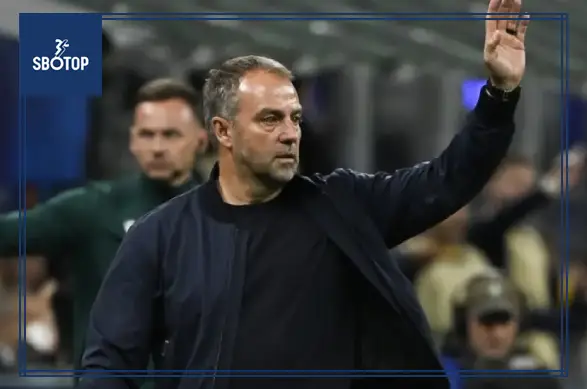
Barcelona showed more than just fighting spirit in their 2-1 victory over Atletico Madrid. Their comeback at the Metropolitano also highlighted Hansi Flick’s ability to read a difficult match, identify tactical weaknesses and make decisive adjustments.
When Barcelona struggled to cope with Atletico’s aggressive pressing in the first half, Flick refused to wait for the situation to improve. Instead, the German coach made an unexpected decision by moving Frenkie de Jong into the right-back position.
That tactical change helped Barcelona regain control of possession, create better attacking connections and eventually secure an important victory.
The result was not simply about changing one player’s position. It was the product of several adjustments that transformed Barcelona’s performance after the break.
Atletico Madrid Expose Barcelona’s Weaknesses in the First Half
Atletico Madrid made life difficult for Barcelona from the opening stages.
The home side applied aggressive pressure and disrupted the visitors’ usual passing patterns. Koke and Pablo Barrios played important roles in limiting the influence of Marc Bernal and Pedri, making it difficult for Barcelona to establish control in midfield.
Atletico also targeted the spaces around Barcelona’s defensive structure.
Alex Baena and Giuliano Simeone found opportunities to attack areas that were difficult for the visiting defenders to cover. Their movement and Atletico’s pressing created problems for Barcelona when attempting to build attacks from the back.
Flick later acknowledged that his team had been too far away from their opponents and had failed to press effectively.
Fermin Lopez’s goal before half-time gave Barcelona an opportunity to recover, but the team’s overall structure still needed improvement.
Rather than making a straightforward positional substitution, Flick decided to change the team’s tactical shape.
Why Frenkie de Jong Was Moved to Right-Back
One of Flick’s most significant decisions was introducing Frenkie de Jong in place of Brian Farinas and deploying the midfielder at right-back.
It was an unusual role for De Jong, but his technical qualities made the adjustment particularly effective.
Instead of remaining close to the touchline like a conventional full-back, De Jong was given the freedom to move into central areas and help Barcelona circulate possession.
This created an additional passing option against Atletico’s pressing system.
De Jong’s ability to receive the ball under pressure, move away from opponents and distribute passes helped Barcelona find solutions that had been missing in the first half.
The change also improved the team’s attacking connections.
- Lamine Yamal received better support on the right side.
- Fermin Lopez benefited from improved combinations in advanced areas.
- Pedri gained more freedom to influence Barcelona’s attacking play.
- De Jong provided an additional route through midfield while operating from the right side of the defence.
The adjustment helped Barcelona create more space between Atletico’s midfield and defensive lines.
Rather than relying on isolated attacking movements, the visitors began connecting their players more effectively and controlling the rhythm of the game.
Barcelona Take Control After the Break
The impact of Flick’s tactical adjustment became increasingly visible as the second half progressed.
Barcelona looked more comfortable in possession and found it easier to move the ball through Atletico’s pressing structure.
Their improvement was reflected in the final match statistics.
Barcelona finished the game with 63 per cent possession and 19 shots, while Atletico recorded 37 per cent possession and nine attempts.
Those numbers illustrated the shift in control after a difficult opening period.
The visitors were no longer simply reacting to Atletico’s pressure. They were able to dictate more of the game, create attacking opportunities and make better use of their technical quality.
Barcelona’s winning goal ultimately reflected the improvement in their performance following the tactical changes.
Flick’s decision to reposition De Jong was therefore more than an experimental move. It became a key part of the solution to Barcelona’s problems.
Further Substitutions Help Barcelona Protect Their Lead
Flick’s tactical work did not stop once Barcelona had taken control.
He understood that maintaining the advantage against Atletico required a different approach, particularly as the match entered its final stages.
At the 60-minute mark, Andreas Christensen replaced Joao Cancelo, giving Barcelona another defensive option.
Flick then made another important change in the 74th minute.
Eric Garcia came on for Bernal, who had already received a yellow card. The substitution also allowed De Jong to return to his natural midfield role, while Eric Garcia moved into the right-back position.
Barcelona’s defensive line was subsequently organised around:
- Eric Garcia at right-back.
- Pau Cubarsi and Andreas Christensen in central defence.
- Gerard Martin at left-back.
These changes demonstrated Flick’s ability to adapt his approach as the match developed.
The initial adjustment helped Barcelona regain control of possession, while the later substitutions strengthened the defensive structure and restored De Jong to midfield.
What Barcelona’s Victory Says About Hansi Flick
Barcelona’s 2-1 victory over Atletico Madrid offered a clear example of Flick’s tactical flexibility.
The German coach recognised that his original approach was not working effectively against Atletico’s pressure. Instead of making minor adjustments, he changed the structure of the team and used De Jong’s technical ability to create a new route through the opposition’s pressing system.
Just as importantly, Flick continued adapting after Barcelona improved.
His substitutions reflected the changing demands of the match, moving from a solution focused on controlling possession to one designed to protect the advantage.
The performance also highlighted the importance of player versatility. De Jong’s ability to operate in an unfamiliar defensive position gave Barcelona a tactical option that helped transform the contest.
Flick’s Decisions Make the Difference at the Metropolitano
Barcelona did not produce a perfect performance from the beginning, but their ability to respond to adversity proved decisive.
Atletico Madrid had initially disrupted their passing game, limited their midfield influence and threatened the spaces around their defence.
Flick’s intervention changed the balance.
By moving De Jong to right-back, improving the team’s connections in midfield and making further defensive substitutions, he helped Barcelona turn a difficult evening into a 2-1 victory.
The result was an important demonstration of how tactical intelligence can influence the outcome of a high-level football match.
For Barcelona, the victory was not only about the three points. It also showed that under Flick, the team has a coach willing to make bold decisions when the original plan is no longer working.
ALSO READ :
- SBOTOP : Barcelona Make Golden Boy History as Pau Cubarsi Claims Fourth Award in Six Years
- SBOTOP : Paul Scholes Slams Manchester United Players for ‘Embarrassing’ Lap of Honour After Aston Villa Draw
- SBOTOP Roy Keane Blasts Michael Carrick After Man Utd’s Defensive Collapse: “He’s Like a Politician”