The FA Cup has always been a stage where football’s emotions are amplified—where underdogs chase miracles and elite players are scrutinized under an unforgiving spotlight. One such moment emerged following a high-profile FA Cup tie involving Liverpool midfielder Dominik Szoboszlai and League One side Barnsley. What began as a single goal incident quickly evolved into a broader debate about respect, professionalism, and the responsibilities of top-level players when facing lower-league opposition.
Barnsley manager Conor Hourihane did not mince his words after the match, publicly criticizing Szoboszlai’s conduct following what he described as a “lack of respect” surrounding a goal that stemmed from a defensive error. His comments ignited widespread discussion across English football, drawing reactions from fans, pundits, and former players alike.
This article explores the incident in detail, examines Hourihane’s criticism, analyzes Szoboszlai’s role and reputation, and places the controversy within the wider context of FA Cup culture and footballing ethics.
The FA Cup Tie Context and Atmosphere
The FA Cup tie between Liverpool and Barnsley was billed as a classic David-versus-Goliath encounter. Liverpool, packed with international stars and vast resources, arrived as overwhelming favorites. Barnsley, meanwhile, approached the match with determination, organization, and the belief that the magic of the FA Cup could narrow the gap between divisions.
For long stretches, Barnsley executed their game plan effectively, pressing intelligently and attempting to disrupt Liverpool’s rhythm. The atmosphere was intense, with Barnsley’s supporters creating a raucous backdrop that reflected the importance of the occasion for the club and community.
It was within this charged environment that the controversial moment occurred—one that would ultimately overshadow much of the football itself.
The Moment That Sparked Debate
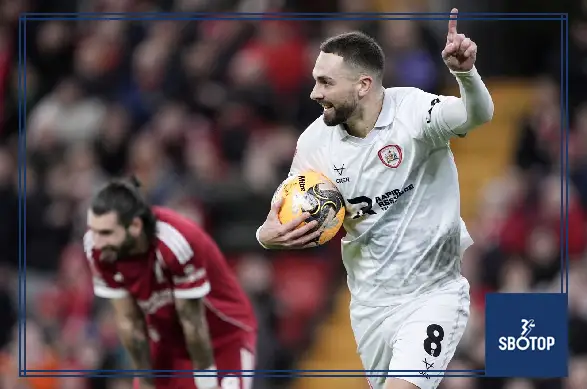
The incident centered on a goal scored by Dominik Szoboszlai following a defensive mistake by Barnsley. As the ball broke loose inside the penalty area, Szoboszlai reacted quickest, capitalizing on the error to score.
While the goal itself was legitimate, it was Szoboszlai’s reaction afterward that drew criticism. According to Hourihane, the midfielder’s celebration and body language were interpreted as dismissive and disrespectful toward Barnsley players, particularly given the nature of the mistake that led to the goal.
Cameras captured Szoboszlai appearing animated, gesturing and celebrating emphatically—actions that some interpreted as excessive in the context of the opposition’s misfortune. While such reactions are not uncommon in elite football, the circumstances amplified scrutiny.
Conor Hourihane’s Response
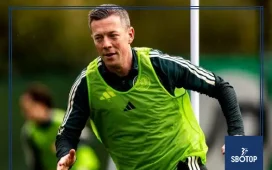
In his post-match interview, Barnsley manager Conor Hourihane addressed the incident directly. A former Premier League midfielder himself, Hourihane spoke from experience, emphasizing the importance of humility and respect—especially in cup competitions where clubs from different levels of the football pyramid meet.
Hourihane stated that while goals are goals and competition is fierce, there is an unspoken code of conduct in football. According to him, celebrating an opponent’s error in a way that could be perceived as mocking crosses a line, particularly when a Premier League player faces a League One side fighting for pride and progress.
His comments were not framed as an attack on Szoboszlai’s character but rather as a broader critique of modern football culture, where emotion and ego can sometimes override sportsmanship.
Szoboszlai’s Perspective and Playing Style
Dominik Szoboszlai is known for his intensity, passion, and expressive personality on the pitch. A creative midfielder with a powerful shot and strong leadership qualities, he often wears his emotions openly during matches.
From his perspective, the celebration may have been nothing more than an instinctive release of adrenaline in a high-stakes knockout match. Elite players are conditioned to react emotionally to decisive moments, particularly in competitions where every goal can change the course of a tie.
Supporters of Szoboszlai argue that celebrating a goal—regardless of how it is scored—is a fundamental part of football. They suggest that interpreting emotion as disrespect risks sanitizing the game and stripping it of its raw intensity.
Respect in Football An Unwritten Rule
The controversy highlights a long-standing tension within football: where to draw the line between passion and respect.
Traditionally, players have been expected to show restraint when benefiting from an opponent’s obvious mistake, especially in mismatched contests. This expectation is rarely codified but exists as part of football’s unwritten etiquette.
In the FA Cup, these expectations are heightened. The competition symbolizes unity across divisions, offering smaller clubs rare opportunities to test themselves against giants. Moments perceived as disrespectful can undermine that spirit, reinforcing divides rather than celebrating competition.
Hourihane’s criticism taps into this ethos, suggesting that elite players bear a greater responsibility to uphold these values.
Media Reaction and Public Debate
The reaction to Hourihane’s comments was swift and polarized. Football pundits debated whether his remarks were justified or overly sensitive. Some former players echoed Hourihane’s sentiments, emphasizing that humility remains an essential part of football culture.
Others dismissed the criticism as overblown, arguing that players should not be expected to regulate their emotions differently depending on the opposition. They pointed out that mistakes at any level of football are punished, and professionalism demands total commitment regardless of context.
Social media further amplified the debate, with fans split between defending Szoboszlai’s right to celebrate and supporting Hourihane’s call for respect.
The FA Cup’s Unique Emotional Landscape
Unlike league matches, FA Cup ties often carry emotional weight beyond the scoreboard. For lower-league clubs, these games represent financial opportunity, exposure, and the chance to create history. For elite players, they are often seen as routine fixtures—yet the stakes are asymmetrical.
This imbalance can lead to misunderstandings. What feels like a normal goal celebration for a Premier League star may feel like humiliation for a lower-league side battling against odds.
The Szoboszlai controversy underscores the need for emotional intelligence in such settings, where awareness of context can be just as important as technical excellence.
Lessons for Players and Managers
For players, the incident serves as a reminder that actions are interpreted through multiple lenses. In the modern game, every gesture is scrutinized, recorded, and debated. Emotional authenticity must coexist with awareness of impact.
For managers like Hourihane, speaking out reflects a desire to protect players and uphold values. While such comments can invite criticism, they also spark important conversations about culture and conduct in football.
The incident may encourage clubs to address these topics internally, emphasizing respect and professionalism as core principles alongside performance.
Does the Criticism Change Anything
Whether Hourihane’s comments lead to tangible change remains to be seen. Szoboszlai himself did not publicly escalate the issue, suggesting an awareness that prolonging controversy would serve little purpose.
However, moments like this linger in collective memory. They shape narratives around players and reinforce expectations of behavior, particularly in competitions that celebrate football’s inclusivity.
Even if no formal action is taken, the discussion itself contributes to evolving norms within the game.
Broader Implications for Modern Football
The Szoboszlai-Hourihane controversy reflects broader shifts in football culture. As the sport becomes increasingly globalized, commercialized, and mediated, questions of respect and identity grow more complex.
Players are brands, emotions are content, and reactions are dissected in real time. In this environment, traditional values often clash with modern expression.
The challenge for football lies in preserving its human essence—passion, competition, and joy—while maintaining mutual respect across all levels of the game.
Also Read:
- SBOTOP: FA Cup Fourth-Round Draw Delivers Macclesfield Home Clash with Brentford as Aston Villa Welcome Newcastle
- SBOTOP: Aberdeen Supporter Sentenced to 18 Months After Injuring Jack MacKenzie with Pitch-Thrown Seat
- SBOTOP Lucas Paquetá Transfer Update: West Ham Midfielder Eyes Move Back to Brazilian Giants Flamengo