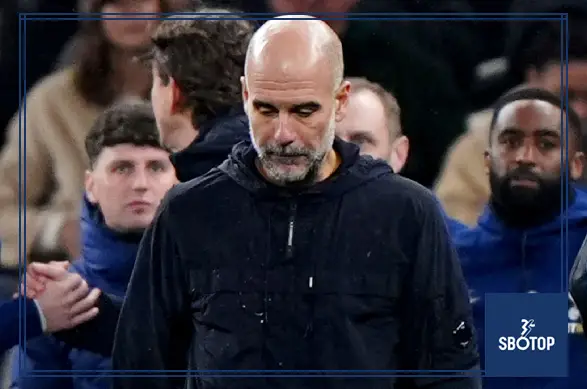
In one of the most dramatic fixtures of the Premier League season, Tottenham Hotspur and Manchester City played out a thrilling 2-2 draw at the Tottenham Hotspur Stadium. While the match itself was filled with end-to-end action, it was Dominic Solanke’s stunning goal that captured the headlines—and not always for the right reasons, according to Manchester City manager Pep Guardiola.
Guardiola described the goal as creating an “emotional issue,” expressing frustration at both the circumstances of the strike and its psychological impact on his players. The controversial goal not only changed the course of the match but also reignited debates over officiating, VAR intervention, and the emotional dynamics of high-stakes football.
A Match Charged With Tension
From the opening whistle, Tottenham and Manchester City approached the match with high intensity and tactical intent. City, leading the title race, sought to extend their advantage, controlling possession with characteristic precision. Spurs, meanwhile, relied on sharp counterattacks and transitional play to exploit gaps in the opposition’s structure.
The first half saw City dominate possession, creating multiple scoring opportunities, yet Tottenham’s disciplined defensive setup limited the visitors to shots from distance or blocked attempts. Despite City’s control, Spurs remained dangerous on the break, keeping the game balanced and tense.
The Controversial Goal Solanke’s Moment of Brilliance
The defining moment arrived midway through the second half when Dominic Solanke executed a remarkable goal that left players, fans, and pundits stunned. With his back to the goal, Solanke performed a perfectly timed scorpion kick, sending the ball past Manchester City goalkeeper Ederson.
From a technical perspective, the strike was exceptional:
- Timing and precision: Solanke connected with the ball in a split second, demonstrating elite coordination.
- Creativity and audacity: The scorpion kick is rarely executed successfully at the top level, making this attempt a highlight-worthy moment.
- Impact on the match: The goal leveled the score at a crucial juncture, swinging momentum in Tottenham’s favor.
Despite the brilliance, Guardiola expressed frustration after the match, suggesting that the goal created an “emotional issue” for his team—a challenge beyond the technical and tactical considerations.
Pep Guardiola’s Perspective Emotional and Psychological Factors
Guardiola’s reaction highlights the psychological dimension of football, where the impact of a goal extends beyond mere numbers on the scoreboard. According to the manager, Solanke’s strike disrupted City’s focus and created a sense of imbalance.
Key points from Guardiola’s perspective:
- Timing of the goal: Conceded during a phase when City were pushing for a winner.
- Unexpected execution: The unpredictability of the scorpion kick caught City off guard.
- Psychological ripple effect: The goal changed team dynamics, forcing players to regain composure under pressure.
Guardiola’s characterization of the incident as an “emotional issue” reflects a growing acknowledgment that elite football is as much mental as it is physical, where dramatic moments can influence concentration, confidence, and decision-making.
VAR and Officiating Debate
While the goal itself was technically valid, debates emerged around its controversial aspects. Some argued that Solanke may have been offside in the buildup or that subtle infringements were overlooked. VAR reviewed the play but ultimately allowed the goal to stand, reaffirming the on-field decision.
This outcome sparked discussion among analysts and pundits:
- Consistency of VAR: Was the review thorough and objective?
- Impact on the players: Did the decision affect City’s approach and morale?
- Transparency: Could communication from officials have alleviated frustration?
The incident underscores the ongoing tension between technological oversight and human perception in football, particularly in high-stakes matches.
Tottenham’s Tactical Execution
Beyond the goal, Tottenham’s overall performance merits attention. The team displayed tactical intelligence, balancing defensive stability with opportunistic attacks.
Key tactical observations:
- Counterattacking efficiency: Spurs exploited spaces left by City’s high defensive line.
- Midfield resilience: Players disrupted City’s rhythm, intercepting passes and forcing turnovers.
- Wide play: Full-backs and wingers stretched the pitch, creating gaps for forwards like Solanke.
These elements ensured that Tottenham were not reliant on a single moment of brilliance but actively competed across all phases of play.
Manchester City’s Response
Despite the setback, Manchester City exhibited resilience. The team responded with characteristic composure, creating several chances and eventually securing an equalizer later in the match. Guardiola’s players demonstrated:
- Ball circulation and control: Maintaining possession to manage tempo.
- Adaptive positioning: Adjusting to Spurs’ pressing patterns and counterattacks.
- High-quality finishing: Capitalizing on openings when they arose.
However, the earlier “emotional issue” highlighted by Guardiola may have affected the fluidity and confidence of City’s attacking sequences, reinforcing the manager’s assertion about the psychological impact of Solanke’s goal.
Player Reactions and Mental Dynamics
Moments like Solanke’s scorpion kick can profoundly affect player psychology. For Tottenham, the goal boosted morale, confidence, and belief in their tactical approach. Conversely, for Manchester City, conceding a spectacular, unexpected strike required mental recalibration.
Analysts note that emotional swings in football influence:
- Decision-making: Players under emotional stress may rush passes or misjudge tackles.
- Positioning: Distracted defenders can leave gaps or make errors.
- Team cohesion: Emotional disruption affects communication and coordination.
Guardiola’s reference to an “emotional issue” illustrates his awareness of these subtle yet critical dynamics.
Tactical Lessons Spurs vs. City
The match provides several tactical takeaways:
- Preparation for unpredictability: Teams must anticipate moments of brilliance that can alter match dynamics.
- Emotional resilience: Elite teams need mechanisms to maintain focus and composure under sudden pressure.
- Pressing and transitions: Spurs demonstrated that disciplined pressing and intelligent counters can neutralize technically superior opponents.
- Versatility in attack: Players like Solanke provide unexpected solutions, keeping opposition defenses guessing.
These lessons are relevant not only for City but for all Premier League teams competing at the top level.
Media and Fan Reactions
The response to Solanke’s goal and Guardiola’s comments was immediate and widespread:
- Media coverage: Analysts debated both the technical brilliance of the goal and the psychological implications for City.
- Fan engagement: Social media exploded with clips, memes, and discussions about the goal’s audacity.
- Pundit insights: Experts praised Spurs’ preparation and adaptability, emphasizing how a single moment can shift momentum.
The combination of technical, tactical, and psychological factors made the incident a focal point for post-match analysis.
Implications for the Premier League Title Race
The 2-2 draw had significant ramifications for Manchester City’s pursuit of the title. Dropping points in a fixture they were expected to win:
- Reduces the margin over rivals.
- Exposes vulnerability to emotional swings and unexpected events.
- Highlights the need for sustained focus in high-pressure matches.
For Tottenham, the result provided confidence, signaling their ability to challenge top-tier teams and compete consistently in critical fixtures.
Solanke’s Rising Profile
Dominic Solanke’s goal not only affected the match outcome but also elevated his profile. Analysts and fans praised his technique, timing, and audacity, recognizing the goal as one of the season’s most remarkable strikes.
Solanke’s impact extends beyond individual brilliance:
- Influencing team tactics: His presence allows Spurs to diversify attacking approaches.
- Psychological advantage: Opponents must remain vigilant, aware that any lapse could be exploited creatively.
- Long-term confidence: Performing under pressure reinforces self-belief and positional authority within the team.
This goal may mark a defining moment in Solanke’s career, demonstrating his ability to influence outcomes at the highest level.
Guardiola’s Management Approach
Guardiola’s comments reflect a managerial philosophy that values both technical and emotional preparation. By identifying the goal as an “emotional issue,” he highlighted:
- Psychological coaching: Ensuring players recover focus quickly after setbacks.
- Resilience under pressure: Maintaining composure in the face of dramatic, unpredictable moments.
- Strategic communication: Using analysis and feedback to prevent repetition of lapses.
Guardiola’s approach underscores the evolving role of modern managers, who must address both physical performance and mental fortitude.
The Bigger Picture Football as Emotional Theatre
This match exemplifies the dual nature of football: a contest of skill and a theater of emotion. Solanke’s goal was technically brilliant but also a psychological catalyst, shaping the narrative and influencing player behavior.
In elite competitions, the interplay between technical execution and emotional impact defines outcomes. Guardiola’s recognition of this fact reflects a nuanced understanding of the sport’s complexities.
Also Read:
- SBOTOP: Jamie Carragher Praises Casemiro as Manchester United Midfielder Transforms Into ‘Completely Different Player’
- SBOTOP: Dominic Solanke’s Stunning Scorpion Kick Earns Spurs a 2-2 Draw as Manchester City Lose Ground in Title Race
- SBOTOP: Tomas Cvancara Scores First for Celtic as Hoops Leapfrog Rangers with 2-0 Win Over Falkirk