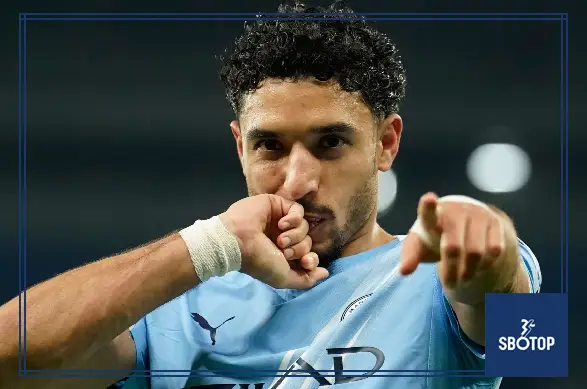
Manchester City booked their place in the Carabao Cup final with a convincing 3-1 victory over Newcastle United, completing a 5-1 aggregate triumph that reaffirmed Pep Guardiola’s team as one of the most dominant sides in English football. The win sets up an enticing final against Arsenal, promising a high-stakes showdown between two of the Premier League’s most exciting teams this season.
Beyond the scoreline, City’s performance highlighted tactical brilliance, squad depth, and psychological composure that Guardiola has consistently instilled. Newcastle, while spirited, ultimately lacked the cutting edge required to challenge a team of City’s calibre over two legs.
Setting the Scene Importance of the Carabao Cup
For Manchester City, the Carabao Cup is more than just a domestic trophy—it is a statement of intent. Guardiola has consistently treated the competition seriously, using it as a platform to blend youth development with competitive ambition.
A final against Arsenal not only presents the opportunity for silverware but also tests City’s adaptability against a team that has impressed both domestically and in cup competitions. The fixture is a chance for Guardiola to demonstrate tactical superiority while balancing the demands of a packed season across multiple competitions.
First Leg Recap Building Momentum
The aggregate scoreline of 5-1 tells part of the story, but context is key. In the first leg at Newcastle’s St James’ Park, City established early control, scoring twice to take a decisive advantage into the return leg.
Guardiola’s men showcased their signature possession-based approach, using precise passing sequences and intelligent movement to break down Newcastle’s defensive lines. The first leg was a reminder that City’s dominance is not solely reliant on individual brilliance, but also on orchestrated team performance and tactical flexibility.
The Return Leg Controlling the Tie
At the Etihad Stadium, City wasted little time imposing themselves. The atmosphere was electric, but Guardiola’s players remained composed, balancing intensity with patience.
From the first whistle, City displayed their trademark fluidity—full-backs overlapping, midfielders rotating to create passing triangles, and forwards interchanging positions to stretch Newcastle’s defensive structure. The first goal came from a well-rehearsed sequence, combining midfield vision with clinical finishing from the front line.
The goal immediately set the tone, forcing Newcastle to chase the game while City retained the initiative and dictated tempo.
Tactical Brilliance Under Guardiola
City’s approach was both flexible and relentless. Guardiola’s system thrives on positional play, pressing in coordinated phases, and exploiting even the smallest spaces in opposition defense.
Against Newcastle, City’s midfield controlled both the ball and the space. Rodri and Kevin De Bruyne orchestrated from deep positions, breaking lines with precise passes and drawing Newcastle’s midfielders out of position. This allowed Phil Foden, Erling Haaland, and Riyad Mahrez to find pockets of space in which they could operate with minimal pressure.
Guardiola’s emphasis on positional discipline ensured balance: City were aggressive in attack but maintained defensive integrity, limiting Newcastle’s opportunities for counter-attacks.
Erling Haaland A Goal Scorer in Form
Central to City’s attacking dominance was Erling Haaland, whose finishing and movement continue to terrorize defenses. Against Newcastle, he scored the opening goal of the second leg, demonstrating his lethal instinct and timing in the box.
Haaland’s ability to read the game and exploit gaps behind the defense not only creates goals but also opens space for his teammates. Guardiola’s system is designed to maximize these movements, and Haaland has become the ultimate beneficiary of City’s positional play.
Kevin De Bruyne’s Influence
No City performance is complete without a mention of Kevin De Bruyne. In this tie, De Bruyne was the fulcrum of creativity, dictating rhythm and linking defense to attack seamlessly.
His vision and passing accuracy allowed City to maintain fluidity, while his threat from distance kept Newcastle guessing and stretched the defensive shape. De Bruyne’s influence in the midfield is both tangible and psychological—opponents are forced to account for him constantly, which in turn creates space for City’s other attacking outlets.
Newcastle’s Resilience and Limitations
While City were dominant, Newcastle showed glimpses of resilience. They pressed in phases, attempted to exploit turnovers, and managed to score a consolation goal that briefly tested City’s defensive composure.
However, Newcastle’s limitations became apparent under sustained pressure. Their defensive shape occasionally broke down under coordinated pressing, and they struggled to maintain possession in midfield when City accelerated tempo.
Despite the spirited performance, Newcastle ultimately lacked the consistency and depth to challenge City over two legs, highlighting the gulf that still exists between top-tier title contenders and chasing sides.
Psychological Edge Composure in Pressure Situations
One of Guardiola’s trademarks is the ability to maintain composure under pressure, and it was evident throughout the tie. City were never rattled by Newcastle’s counter-attacks or momentary possession gains.
This psychological edge is crucial in cup competitions, where single mistakes can decide outcomes. By controlling tempo, pressing strategically, and staying composed, City not only dictated play but also demoralized the opposition gradually—a hallmark of champions.
Tactical Flexibility and Squad Depth
Another key factor in City’s dominance is tactical flexibility. Guardiola is renowned for adjusting formations and strategies mid-game to exploit weaknesses. In this tie, City switched between a 4-3-3 setup to a fluid 3-2-5 in attacking phases, overloading Newcastle in wide and central areas.
Squad depth also allowed Guardiola to rotate players without compromising quality. Substitutes contributed immediately, keeping the energy high and sustaining pressing intensity, which is essential across multiple competitions.
The Final Looms Arsenal Await
With the semi-final complete, attention now turns to the Carabao Cup final against Arsenal—a matchup promising high drama and tactical intrigue. Arsenal have enjoyed a strong season, blending youth and experience, and their dynamic attacking style presents a unique challenge.
Guardiola will likely approach the final with meticulous preparation, balancing defensive solidity against Arsenal’s pace with City’s attacking creativity. Set-pieces, transitional speed, and midfield battles will likely define the outcome, as both teams possess talent capable of exploiting even minor mistakes.
City’s Domestic Ambitions
The Carabao Cup is part of a broader domestic agenda for Manchester City. Guardiola’s team is competing for multiple trophies, including the Premier League and FA Cup. Maintaining momentum and confidence in cup competitions can have a cascading effect across all fronts.
Winning the Carabao Cup would not only add silverware but also strengthen City’s psychological edge in future league clashes and European ties. Guardiola’s men have shown that they can combine rotation with intensity—a key factor in sustaining a title challenge.
Guardiola’s Management Masterclass
Pep Guardiola’s approach remains the cornerstone of City’s dominance. His ability to analyze opponents, prepare precise tactical plans, and instill confidence in players continues to set City apart.
Against Newcastle, Guardiola’s influence was evident in positional play, coordinated pressing, and patient build-up. He has created a culture where players understand their roles implicitly, enabling fluidity without sacrificing defensive structure.
This level of preparation and adaptability is essential in knockout competitions, where single errors are magnified and games can pivot on minute details.
Players to Watch in the Final
For the upcoming final against Arsenal, several City players are likely to be decisive:
- Erling Haaland: His goal-scoring instincts make him a constant threat in the box.
- Kevin De Bruyne: Creativity and vision will be central to unlocking Arsenal’s defense.
- Phil Foden: Versatility and movement provide unpredictability in attack.
- Ederson: Goalkeeping composure ensures City can defend confidently while building from the back.
Guardiola’s challenge will be to orchestrate these talents against an Arsenal side capable of pressing high, transitioning quickly, and exploiting spaces between the lines.
Lessons from the Semi-Final Tie
Several key takeaways emerge from City’s semi-final performance:
- Possession mastery: Controlling tempo minimizes opposition threats.
- Pressing efficiency: Coordinated pressing suffocates opponents and creates scoring opportunities.
- Clinical finishing: Converting chances consistently ensures dominance translates to results.
- Squad rotation: Depth sustains intensity across competitions.
These lessons will likely inform Guardiola’s approach in the final and future Premier League fixtures.
The Psychological Momentum
Beyond tactics, City’s performance demonstrated psychological momentum. They entered the final confident, cohesive, and battle-tested. Momentum often decides cup competitions as much as skill, and City appear to have it firmly on their side.
Maintaining this belief will be critical against Arsenal, a team capable of rapid bursts of brilliance and high-pressure play.
Preparing for Arsenal Tactical Considerations
Arsenal’s style contrasts with Newcastle’s more cautious approach. Guardiola may need to emphasize:
- Midfield dominance to control Arsenal’s passing rhythm.
- Wide overloads to stretch defensive lines and create space for central runs.
- High pressing triggers to exploit turnovers in dangerous areas.
- Rotational depth to maintain energy and intensity throughout 90 minutes.
City’s adaptability will likely be the difference-maker, with in-game adjustments providing strategic advantages.
Also Read:
- SBOTOP: Skov Olsen Nets Maiden Rangers Goal in Emphatic 5-1 Rout of Kilmarnock as Title Gap to Hearts Shrinks
- SBOTOP: Martin O’Neill Opens Up on Celtic Return Jitters Recruitment Doubts and the Push to Close the Gap on Hearts
- SBOTOP: Jamie Redknapp Backs Arsenal for Multiple Trophies After Carabao Cup Semi-Final Win Over Chelsea