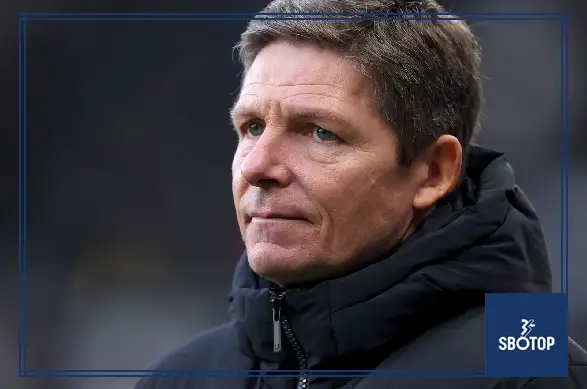
In a turbulent period for Crystal Palace F.C., manager Oliver Glasner has publicly reflected on his future with the club amid mounting pressure from fan backlash and uncertainty surrounding the team’s direction. Glasner, who arrived at Selhurst Park with a reputation for disciplined tactical systems and a pragmatic approach, now faces the dual challenge of managing performance on the pitch while addressing the dissatisfaction of a passionate fanbase.
The situation at Crystal Palace offers a compelling case study in modern football management: the intersection of results, supporter expectations, and personal reflection on career trajectory. Glasner’s comments illuminate both the complexities of leading a Premier League side and the delicate balance managers must maintain when navigating scrutiny from fans, media, and club leadership.
Crystal Palace’s Season Context
Crystal Palace entered the season with cautious optimism, seeking to consolidate its Premier League status while gradually improving league standing. Glasner’s approach focused on defensive organization, structured transitions, and incremental improvement rather than immediate stylistic revolution.
However, results have been inconsistent, and key matches have exposed vulnerabilities, particularly in breaking down compact defenses and maintaining composure in high-pressure scenarios. Despite tactical improvements in certain areas, fan sentiment has shifted, reflecting the high expectations inherent in Premier League football.
Glasner’s Public Reflection
Speaking at a recent press conference, Oliver Glasner acknowledged the scrutiny surrounding his tenure:
“I am aware of the opinions of supporters, and I respect their passion. At the same time, I must focus on what I can control: the preparation, the mindset of the players, and the decisions we make as a team. Naturally, questions about my future arise, and I consider them seriously.”
These remarks reveal a thoughtful approach: Glasner balances transparency with professionalism, neither dismissing fan concerns nor compromising the authority of his position. It reflects the modern manager’s need to navigate media scrutiny while protecting team cohesion.
Fan Backlash Understanding the Pressure
Crystal Palace boasts one of the Premier League’s most loyal and vocal fanbases. Selhurst Park is renowned for its atmosphere, and supporters expect competitive performances even against more financially dominant opponents.
Fan backlash can manifest in several ways:
- Matchday Reactions: Chants and demonstrations during games that express dissatisfaction with results or tactics.
- Social Media Pressure: Immediate and widespread critique on digital platforms.
- Media Amplification: Local and national sports outlets often relay fan sentiment, increasing scrutiny on managerial decisions.
Glasner’s acknowledgement of this backlash indicates awareness that managerial tenure is increasingly influenced by public perception as much as on-field outcomes.
Tactical Approach Under Scrutiny
Criticism of Glasner has often focused on the team’s tactical style. Known for disciplined, possession-oriented setups emphasizing defensive solidity, his approach has occasionally been labeled cautious by supporters seeking more attacking fluidity.
Key tactical observations include:
- Defensive Organization: Crystal Palace under Glasner exhibits a compact defensive block, reducing spaces for opposition attackers but sometimes limiting offensive creativity.
- Transition Play: Quick counterattacks remain a feature but require precise execution to break down well-structured defenses.
- Set-Piece Efficiency: Glasner has emphasized both defending and exploiting set-piece situations as a means to gain competitive edges in tight matches.
While these strategies are rational and effective in certain contexts, they can be less visually appealing, which contributes to fan frustration when results are inconsistent.
Psychological Dimension of Managerial Pressure
The Premier League is renowned for its intense scrutiny, where managers face pressure not only from club hierarchy but also from media and supporters. Glasner’s reflection demonstrates awareness of this psychological burden:
- Mental Resilience: Managers must maintain confidence and composure to guide players effectively.
- Decision-Making Under Pressure: High-stakes fixtures demand calm analysis even amid external criticism.
- Emotional Intelligence: Managing player morale while navigating criticism is essential for sustaining performance.
Glasner’s recognition of these pressures highlights the broader challenges facing modern managers beyond tactics and training routines.
Balancing Short-Term Results and Long-Term Vision
One of the key tensions in Glasner’s tenure is balancing immediate performance with the club’s long-term development strategy. Crystal Palace is not a top-spending Premier League giant but aims to establish consistent mid-table stability with potential European aspirations.
Glasner’s philosophy emphasizes:
- Player Development: Integrating young talent into the first team while maximizing potential.
- Strategic Recruitment: Aligning transfers with tactical needs and financial constraints.
- Systematic Improvement: Building a sustainable team structure rather than pursuing short-term spectacle.
This approach, while strategically sound, can clash with supporter expectations for immediate flair or dramatic results, contributing to the current backlash.
Role of Media in Amplifying Uncertainty
Media narratives play a critical role in shaping public perception of managerial performance. Headlines, pundit commentary, and social media reactions can intensify pressure, framing routine fluctuations as crisis points.
In Glasner’s case, coverage has oscillated between praise for tactical discipline and critique of perceived cautiousness or lack of attacking ambition. The amplification of fan dissatisfaction creates a feedback loop, influencing both player confidence and managerial decision-making.
Managing Player Morale Amid Scrutiny
A crucial component of Glasner’s leadership is sustaining squad morale despite external pressure. Players are influenced not only by results but also by the perceived stability and support of the manager. Glasner has emphasized:
- Clear Communication: Explaining tactical decisions and addressing player concerns candidly.
- Encouragement and Confidence: Reinforcing belief in individual and collective abilities.
- Focus on Controllable Factors: Directing attention to preparation, teamwork, and execution rather than external narratives.
By prioritizing these aspects, Glasner mitigates the potential negative impact of fan backlash on performance.
Leadership Philosophy Integrity and Transparency
Glasner’s reflections demonstrate a commitment to principled leadership. Key elements include:
- Acknowledging Criticism: Recognizing fan sentiment without compromising authority.
- Personal Accountability: Considering one’s own future and decisions in a reflective manner.
- Strategic Communication: Balancing honesty with professionalism in public statements.
This philosophy positions Glasner as a manager who values integrity and long-term credibility alongside tactical competence.
Comparisons to Other Managers Under Pressure
Glasner’s situation is not unique in the Premier League. Many managers have faced fan criticism and media scrutiny while attempting to implement long-term strategies:
- Brendan Rodgers at Leicester: Maintained focus on strategic team development despite fluctuating fan expectations.
- Rafa Benitez at Newcastle: Balanced tactical discipline with public relations challenges amid supporter dissatisfaction.
- Unai Emery at Arsenal: Struggled with immediate results versus long-term plans, illustrating the difficulty of reconciling expectations.
These examples underscore that Glasner’s approach, emphasizing reflection and measured response, aligns with best practices in managing high-pressure environments.
Fan Engagement and Dialogue
While Glasner navigates criticism, engagement with supporters remains crucial. Fan forums, structured club communications, and matchday interactions offer opportunities for mutual understanding. Constructive dialogue can reduce polarization and enhance trust between management and supporters.
By acknowledging fan frustration while explaining tactical and strategic choices, Glasner fosters a culture of transparency and respect, mitigating the negative effects of backlash.
Navigating Career Decisions
Glasner’s public reflection also hints at personal career considerations. Managers in high-pressure leagues must continually assess:
- Long-Term Fit: Alignment between personal philosophy and club culture.
- Support Structures: Confidence in board backing and resource allocation.
- Professional Development: Opportunities to grow as a manager within or beyond the current club.
By openly contemplating his future, Glasner models thoughtful career management while maintaining commitment to his current responsibilities.
Lessons for Modern Football Management
Several lessons emerge from Glasner’s experience:
- Adaptability: Managers must adjust tactical and psychological strategies in response to performance and fan sentiment.
- Communication: Clear, empathetic, and professional communication with fans, media, and players is essential.
- Ethical Leadership: Navigating public pressure with integrity enhances long-term credibility.
- Balance: Reconciling immediate results with long-term vision requires strategic patience and resilience.
These lessons reflect the evolving nature of football management in top-flight leagues.
Potential Strategies to Rebuild Momentum
Looking forward, Glasner may consider several strategies to address current challenges:
- Tactical Flexibility: Introducing more attacking variety to appeal to fans without compromising defensive stability.
- Enhanced Fan Communication: Structured briefings, Q&A sessions, and public explanations of team strategy.
- Mental Conditioning: Continued focus on psychological resilience for both players and staff.
- Incremental Wins: Targeted victories in key matches to rebuild confidence and support.
These approaches can help Glasner stabilize his tenure while maintaining alignment with long-term goals.
Also Read:
- SBOTOP Vincent Kompany Slams Mourinho: Bayern Munich Boss Calls Criticism of Vinicius Jr a ‘Huge Mistake’
- SBOTOP: Danny Röhl Confident in Rangers’ Title Bid but Cautions Against Arsenal-Style Pitfalls
- SBOTOP: Cadiz Charts Innovative Path to La Liga Success Through Tech Tourism and U.S. Market Strategies