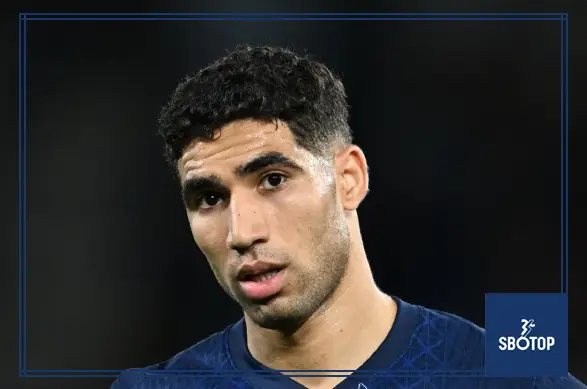
Paris Saint-Germain (PSG) defender Achraf Hakimi, one of football’s most celebrated young talents, has found himself at the center of a legal storm. The Moroccan international, whose blistering pace and attacking prowess have made him a key figure in both PSG and the Moroccan national team, is facing a criminal trial after being accused of rape. The case has sent shockwaves through the footballing world, raising questions about player conduct, the responsibilities of clubs, and the wider issue of sexual violence in sports.
-
The Accusation
The allegations against Hakimi emerged earlier this year, when a woman came forward claiming that the PSG defender had sexually assaulted her. According to court documents, the incident allegedly occurred during a private encounter at a Parisian residence. The accuser asserts that she was coerced into sexual activity without her consent, a claim that, if proven, constitutes rape under French law.
French authorities launched a formal investigation shortly after the complaint was filed. Police reports indicate that investigators gathered forensic evidence and witness statements to build a case. While Hakimi has publicly denied the allegations, the legal process is now moving forward, with the case scheduled for trial in the coming months.
The gravity of these accusations cannot be overstated. Rape is a serious criminal offense, and in France, a conviction can carry a sentence of up to 20 years imprisonment. Beyond the legal consequences, the case has already affected Hakimi’s public image, sponsorship deals, and his role within PSG.
-
Footballing Career in the Spotlight
Achraf Hakimi has built a reputation as one of the fastest and most versatile full-backs in world football. Born on November 4, 1998, in Madrid, Spain, he rose through the youth ranks of Real Madrid before moving to Borussia Dortmund on loan in 2018. His performances in the Bundesliga showcased his attacking instincts and defensive reliability, earning him a transfer to Inter Milan, where he helped the club secure the Serie A title in the 2020–21 season.
In 2021, PSG signed Hakimi for a reported fee of €60 million, making him one of the most expensive defenders in the world. At PSG, he has been a key figure in the team’s domestic and European campaigns, contributing goals, assists, and vital defensive interventions. His on-field achievements, however, are now being overshadowed by the serious allegations he faces off the pitch.
For football fans, the case raises uncomfortable questions about separating the athlete from the alleged crime. While Hakimi’s speed and technical skill have thrilled supporters, his reputation outside the stadium now hangs in the balance. Clubs, fans, and sponsors are all navigating the delicate balance between respecting the legal process and acknowledging the seriousness of the charges.
-
PSG’s Response
Paris Saint-Germain has taken a cautious stance regarding Hakimi’s situation. The club issued a brief statement acknowledging the legal proceedings, emphasizing that it respects the French judicial system and will monitor the developments closely. PSG has refrained from suspending the player or terminating his contract at this stage, citing the principle of presumed innocence until proven guilty.
However, reports suggest that internal discussions at the club are ongoing. PSG’s management faces a difficult decision: supporting a high-profile player who contributes significantly on the field, while also considering the reputational risks associated with the accusations. Sponsors, in particular, are sensitive to public perception and may exert pressure on the club to take more decisive action depending on how the trial unfolds.
Historically, football clubs have faced criticism for not acting swiftly when players are accused of sexual misconduct. PSG, with its global fanbase and brand presence, is acutely aware of the scrutiny it faces. The handling of Hakimi’s case could set a precedent for how elite clubs manage allegations of sexual assault involving star athletes.
-
Legal Proceedings and Implications
Hakimi’s trial is set to be a complex and closely watched legal process. In France, rape cases are subject to thorough judicial scrutiny, with evidence including medical reports, witness testimony, and digital communications often playing a crucial role. Prosecutors will likely present forensic evidence to support the accuser’s claims, while the defense may argue for alternative interpretations of the events or question the credibility of witnesses.
The trial is expected to last several weeks, with both sides presenting expert testimony. Legal analysts note that high-profile cases involving athletes can be particularly challenging due to media coverage and public opinion, which can influence the proceedings. Judges in France are trained to mitigate such biases, but the intense scrutiny can still add pressure to all involved parties.
If convicted, Hakimi could face severe legal consequences, including imprisonment and fines. Even if acquitted, the trial will likely have long-term repercussions for his career and personal life. Public perception of athletes accused of sexual crimes often remains colored by the allegations, regardless of the legal outcome.
-
Social Media and Public Reaction
The allegations against Achraf Hakimi have triggered a storm of reactions on social media platforms. Fans are divided, with some expressing shock and disappointment, while others emphasize the importance of due process and caution against rushing to judgment. Hashtags related to the case have trended on Twitter, Instagram, and TikTok, illustrating the widespread public interest and concern.
Advocacy groups for survivors of sexual assault have also weighed in, urging sports organizations and society at large to take allegations seriously. They highlight that high-profile cases like Hakimi’s can influence cultural attitudes toward sexual violence, either by promoting accountability or, if mishandled, by reinforcing impunity for powerful individuals.
The role of social media in shaping public opinion cannot be understated. For Hakimi, the online discourse presents a dual challenge: defending his reputation while navigating the constant scrutiny that comes with being a global sports figure. The court of public opinion can be unforgiving, and even allegations without a conviction can impact endorsements, sponsorships, and fan support.
-
Comparisons to Other Cases
Hakimi’s situation is not without precedent in football. Over the years, several high-profile footballers have faced allegations of sexual misconduct, ranging from harassment to rape. Some cases resulted in convictions, while others concluded with acquittals or settlements.
For example, former French international Patrice Evra faced accusations of sexual misconduct in 2017, which were ultimately dismissed. Similarly, Cristiano Ronaldo has faced allegations of sexual assault, which he has consistently denied. These cases underscore the delicate balance between legal outcomes and public perception, highlighting how accusations can profoundly affect even the most successful athletes.
Football governing bodies, including FIFA and UEFA, have emphasized the importance of integrity and respect, but enforcement in personal matters remains largely a national legal issue. Clubs and associations must therefore navigate both ethical and operational challenges when players are implicated in criminal cases.
-
Impacts on PSG and Football Culture
The trial has implications beyond Hakimi’s personal and professional life. For PSG, the case tests the club’s crisis management and ethical standards. Sponsors may reconsider partnerships, particularly those focused on family-friendly branding or social responsibility. The team dynamic could also be affected, with teammates facing questions from media and fans about the club’s stance and internal culture.
More broadly, the case has reignited discussions about football culture and accountability. High-profile sports environments have historically been criticized for fostering a sense of entitlement among players. Cases like Hakimi’s challenge clubs, fans, and governing bodies to confront uncomfortable realities about athlete behavior and institutional responses to sexual misconduct.
Football, as one of the world’s most visible sports, carries a societal responsibility. Star players are not only athletes but also role models. The outcome of Hakimi’s trial may influence how young athletes, fans, and football institutions approach issues of consent, respect, and accountability.
-
The Presumption of Innocence
While the allegations are serious, it is critical to remember the legal principle of presumption of innocence. Hakimi has denied wrongdoing, and until a court reaches a verdict, he remains legally innocent. This principle is fundamental in French law and international human rights norms.
However, presumption of innocence does not shield public figures from reputational damage or professional consequences. The media scrutiny, sponsor concerns, and fan reactions illustrate how quickly public perception can diverge from legal realities. Balancing respect for the judicial process with the legitimate concerns of stakeholders is a challenge for all parties involved.
-
Potential Outcomes
The trial could result in several possible outcomes. A conviction would have profound consequences for Hakimi, including imprisonment, fines, and the likely end of his professional career at PSG. Even an acquittal would not erase the public scrutiny and media attention surrounding the case, although it could restore some measure of professional legitimacy.
In the interim, Hakimi’s focus must be on preparing his legal defense while maintaining his physical and mental condition for professional obligations. PSG’s management will need to carefully weigh decisions on playing time, public statements, and potential internal sanctions.
-
Broader Conversations About Sexual Violence in Sports
Hakimi’s case contributes to a broader societal conversation about sexual violence in sports. Athletes, by virtue of their fame and influence, often occupy positions of power that can be misused. Conversely, accusations can be misrepresented or sensationalized in the media. Striking a balance between protecting survivors’ voices and ensuring fair legal processes is an ongoing challenge.
Educational programs, strict club policies, and comprehensive awareness campaigns have been increasingly implemented by sports organizations worldwide. Yet high-profile cases like this highlight persistent gaps and the need for continued vigilance. Football, as a global phenomenon, has the potential to set cultural standards regarding respect, consent, and accountability.
Also Read: