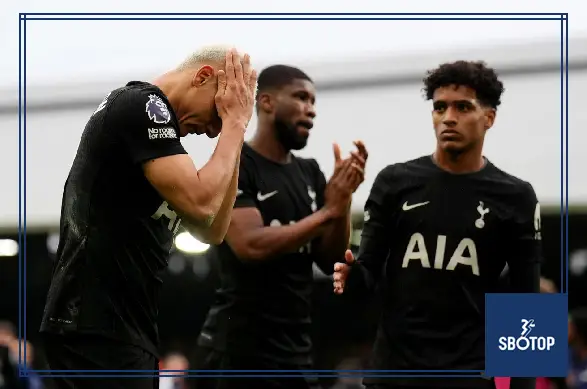
Tottenham Hotspur have found themselves in turbulent waters this season. Once considered strong contenders for a European spot, Spurs have struggled to find consistency under their new manager, Igor Tudor. Recent results, including a disheartening defeat to Fulham F.C., have highlighted the challenges the team faces and prompted Tudor to issue a damning assessment of his squad.
His candid remarks, while harsh, offer insight into the ongoing issues at Tottenham, shedding light on tactical weaknesses, player performance, and managerial philosophy. In this article, we explore the layers behind Tudor’s criticism, what it reveals about Spurs’ current state, and the potential roadmap for recovery.
Spurs’ Struggles Context Behind the Criticism
Tottenham’s 2025-26 campaign has been marked by unpredictability. The team has alternated between flashes of brilliance and periods of disappointing form, leaving fans and pundits questioning the squad’s readiness under Tudor. The recent defeat to Fulham was emblematic of Spurs’ difficulties. Despite controlling portions of the match, they failed to convert opportunities into goals while simultaneously conceding preventable strikes. Such results have created frustration not only among supporters but also within the club hierarchy.
Tudor’s comments following the Fulham loss were blunt. He highlighted lapses in concentration, inadequate defensive cohesion, and a lack of attacking fluidity. For many, his assessment was a wake-up call—a reflection of his unwillingness to sugarcoat the problems facing his team.
Igor Tudor’s Managerial Philosophy
Understanding Tudor’s criticism requires an appreciation of his managerial style. Known for his tactical discipline and structured defensive approach, Tudor emphasizes organization, intensity, and mental focus. His philosophy often demands players maintain high work rates, execute precise positional play, and display resilience under pressure. When Spurs fail to meet these standards, Tudor’s reactions are direct and uncompromising.
Tudor’s insistence on tactical fidelity can be both a strength and a source of tension. While it provides a framework for structured football, players struggling to adapt can expose vulnerabilities, especially against disciplined opposition like Fulham.
Tactical Analysis of the Fulham Defeat
The loss to Fulham was telling in several ways:
- Defensive Vulnerabilities – Spurs allowed Fulham space in wide areas, which resulted in dangerous crosses and ultimately decisive goals. Miscommunication between full-backs and center-backs created gaps Tudor has previously emphasized must be closed.
- Midfield Ineffectiveness – Spurs struggled to control possession in key moments. Tudor criticized midfielders for failing to link defense and attack, leaving forwards isolated and unable to impact the game.
- Finishing Woes – Despite creating several chances, Spurs could not convert opportunities into goals. Tudor’s frustration with the attacking unit was evident, highlighting a need for composure in critical moments.
- Mental Lapses – Tudor’s remarks also pointed to concentration lapses at crucial stages. Conceding late goals is a recurring problem, signaling the importance of mental resilience in Premier League competition.
Key Players Under Scrutiny
Tudor’s critique did not single out any player but implied that several individuals must elevate their performance.
- Harry Kane – As Spurs’ talismanic forward, Kane’s influence is paramount. Tudor has called on him to provide not just goals but leadership on and off the pitch.
- James Maddison – The creative midfielder has struggled at times to impose himself in matches where the team fails to control the tempo. Tudor’s criticism suggests Maddison must improve decisiveness in the attacking third.
- Ivan Perisic – Operating as a wide player, Perisic has occasionally been caught out defensively. Tudor’s system relies on wingers contributing to defensive stability, a standard that has been inconsistently met.
- Defensive Unit – Center-backs and full-backs alike are under pressure to maintain communication and compactness. Tudor emphasizes that individual errors cannot compromise team structure.
Tudor’s Criticism A Motivational Tool
While Tudor’s words were sharp, they may also function as a strategic motivational tool. Managers often use criticism to provoke self-reflection among players, encouraging them to take ownership of deficiencies.
By publicly identifying weaknesses, Tudor signals that complacency will not be tolerated. This approach can galvanize a team if players respond positively, transforming frustration into improved performance.
Comparison with Previous Managerial Challenges
Tottenham’s struggles under Tudor mirror challenges faced by predecessors. Both Mauricio Pochettino and Antonio Conte experienced periods where Spurs’ talent did not immediately translate into consistent results.
However, Tudor’s approach differs in its bluntness and tactical emphasis. Unlike some previous managers who preferred subtle media messaging, Tudor addresses issues head-on, creating a culture of accountability within the squad.
This approach can be double-edged: it reinforces standards but also risks increasing pressure on players during critical fixtures.
The Role of Leadership in Response
Leadership within the squad is crucial for responding to Tudor’s criticism. Senior players must translate managerial expectations into on-field action.
Captain Harry Kane plays a pivotal role in communicating Tudor’s vision, motivating teammates, and ensuring collective focus. Veteran players in defense and midfield are equally responsible for maintaining tactical discipline.
Leadership extends beyond the pitch. Dressing room morale, cohesion, and belief are all factors that influence performance, especially in tight Premier League contests.
Spurs’ Upcoming Challenges
The next phase of Tottenham’s season presents a series of high-stakes matches that will test Tudor’s management and the squad’s resilience. Matches against top-six rivals and mid-table teams alike will determine whether Spurs can stabilize their campaign.
Success depends on addressing the key points raised by Tudor:
- Defensive cohesion to reduce goals conceded.
- Midfield control to dictate game tempo.
- Clinical finishing to convert scoring opportunities.
- Mental resilience to perform under pressure.
The outcomes of these upcoming matches will likely shape Spurs’ season and influence public perception of Tudor’s tenure.
Tactical Adjustments and Potential Solutions
Several tactical adjustments could help Spurs address weaknesses highlighted by Tudor:
- Compact Defensive Lines – Reducing gaps between defensive units to prevent opposition penetration.
- Midfield Reinforcement – Utilizing a double pivot to stabilize possession and improve transitions.
- Wide Play Discipline – Ensuring wingers contribute defensively without sacrificing attacking threat.
- Counter-Attack Efficiency – Exploiting speed on the break while minimizing defensive exposure.
- Set-Piece Organization – Addressing vulnerabilities during corners and free-kicks, a recurring source of goals conceded.
Implementing these solutions will require collaboration between Tudor, coaching staff, and players. The challenge lies in balancing tactical discipline with creative freedom to maximize performance.
Media and Fan Reactions
Tudor’s criticism has sparked debate in the media and among fans. Some supporters appreciate his honesty, viewing it as a necessary wake-up call. Others question whether public criticism may undermine confidence during a crucial stage of the season.
Sports pundits have noted that Tudor’s approach is reflective of high-performance environments. While blunt, such honesty can drive improvement if managed correctly.
Fan forums and social media discussions reflect mixed sentiments, with optimism tempered by frustration over inconsistent results. Tottenham’s trajectory remains uncertain, but the dialogue surrounding Tudor’s critique underscores the importance of accountability in professional football.
Lessons for Spurs’ Development
Several lessons emerge from Tudor’s criticism and Tottenham’s current performance:
- Consistency is Key – Success in the Premier League depends on minimizing lapses in form and maintaining focus across 38 matches.
- Adaptation to Tactical Demands – Players must internalize Tudor’s philosophy to execute strategies effectively.
- Mental Toughness – Handling pressure, setbacks, and criticism is essential for collective success.
- Leadership at Every Level – Accountability and direction from both management and senior players are critical.
These lessons can guide Spurs in stabilizing their season and potentially recovering lost ground in the standings.
Potential Outcomes and Season Projection
If Tottenham responds positively to Tudor’s critique, several outcomes are possible:
- Top-Four Challenge – Spurs could reassert themselves among the Premier League’s elite, competing for Champions League qualification.
- Mid-Table Stability – Improvement could solidify a top-six finish, ensuring European football but falling short of elite ambitions.
- Further Struggles – Failure to address weaknesses may result in inconsistency and missed opportunities, damaging long-term momentum.
The trajectory will largely depend on player response, tactical execution, and management of pressure in upcoming fixtures.
Also Read: