Tottenham Hotspur’s Premier League season has plunged into uncertainty as head coach Igor Tudor struggles to establish stability in his early tenure. What was intended to be a fresh start for Spurs has quickly evolved into a battle against relegation pressure, as the team grapples with poor results, defensive frailties, and a squad still adjusting to Tudor’s tactical demands.
The club, once considered comfortably mid-table, now finds itself in a precarious position. The alarming start under Tudor has raised serious questions about squad depth, tactical cohesion, and leadership both on and off the pitch. While the head coach remains optimistic, the challenges facing Tottenham are as immediate as they are daunting.
Early Season Struggles
Tudor’s appointment at Spurs was initially met with cautious optimism. Known for his tactical discipline and defensive organization, the Croatian coach was expected to bring structure to a team that had previously struggled with consistency under prior management.
However, the opening fixtures have exposed several weaknesses. Tottenham has conceded goals at critical moments, struggled to maintain possession against mid-tier opponents, and lacked cohesion in attack. A particularly concerning trend has been the number of defensive errors leading to opposition scoring opportunities.
The red card for Micky van de Ven against Crystal Palace F.C. highlighted both the team’s discipline issues and its vulnerability under pressure. Playing a man down revealed cracks in defensive coordination and tested the resilience of the squad, ultimately resulting in a 3-1 defeat.
Tactical Adjustments and Challenges
Igor Tudor has sought to implement a disciplined tactical system, emphasizing compact defense, structured pressing, and quick transitions. However, adapting a squad mid-season has proven difficult. Players are still learning their roles, and mistakes stemming from miscommunication or hesitation have compounded Tottenham’s challenges.
Key tactical challenges include:
- Defensive Cohesion: Frequent lapses in marking and positioning have led to unnecessary goals.
- Transition Vulnerabilities: Spurs often struggle to regain defensive shape after losing possession.
- Limited Offensive Fluidity: The attacking unit has lacked rhythm, often relying too heavily on individual brilliance rather than structured play.
- Set-Piece Weaknesses: Conceding goals from corners and free-kicks has been a recurring problem.
Tudor’s challenge is to instill these tactical principles while maintaining morale and confidence in the squad, a delicate balance under the weight of relegation pressure.
Player Performances and Key Concerns
Individual performances have mirrored the team’s broader struggles. While some players have shown resilience, others have struggled to adapt to Tudor’s system.
- Son Heung-min: Remains a critical figure, providing pace, creativity, and goal-scoring ability, but his impact is diminished when the team struggles collectively.
- James Maddison: Offers technical quality and vision, yet requires better support from midfield partners to influence games consistently.
- Micky van de Ven: Defensive errors, including the pivotal red card, have drawn scrutiny, though his potential remains evident.
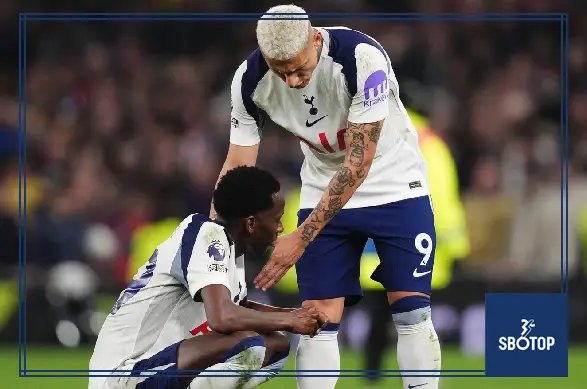
- Richarlison: Shows commitment and physicality, yet Spurs’ lack of cohesion has limited his effectiveness.
Overall, the squad has displayed flashes of quality but has been unable to translate these moments into consistent results. Tudor’s challenge is to foster a sense of collective responsibility while addressing individual weaknesses.
Leadership Under Pressure
Leadership within the team has become a focal point under Tudor. Senior players are expected to guide younger teammates, particularly during difficult matches. Tudor has emphasized accountability, urging experienced figures to set examples both in training and on the pitch.
“We need leadership at all levels,” Tudor stated after a recent defeat. “Players must take responsibility, communicate effectively, and support one another, especially in challenging moments.”
The Croatian coach’s reliance on strong leadership highlights the importance of culture and mentality in navigating relegation battles. Spurs’ ability to leverage experience, discipline, and teamwork may determine their survival chances.
Psychological Challenges and Squad Morale
The mental aspect of Tottenham’s season cannot be underestimated. Relegation battles create intense pressure, and the early string of negative results has tested squad confidence. Tudor has incorporated psychological preparation as part of his strategy, focusing on resilience, composure, and focus under adversity.
Techniques employed include:
- Visualization and Mental Rehearsal: Preparing players for high-pressure scenarios.
- Post-Match Reflection: Constructive analysis to address mistakes and reinforce positive behaviors.
- Team Cohesion Exercises: Strengthening trust and communication within the squad.
By addressing these psychological factors, Tudor aims to prevent the team from spiraling under pressure and to maintain belief in their capacity to secure points.
The Role of Tactical Flexibility
Flexibility has emerged as a critical factor in Tudor’s management. Given the unpredictable nature of relegation battles, Spurs must adapt to different opponents and situations. Tudor has experimented with variations in formation and pressing intensity, attempting to find combinations that maximize defensive stability and attacking threat.
For example, Tudor has alternated between a back four and a back three depending on opponent strength and player availability. While this experimentation has produced mixed results, it reflects a willingness to adapt—a trait essential for navigating a season fraught with uncertainty.
Upcoming Fixtures and Survival Prospects
Tottenham’s remaining fixtures will play a decisive role in their battle against relegation. Key matches against fellow lower-table teams are particularly crucial, as these “six-pointer” games have the potential to shape the survival landscape.
Analysts suggest that Spurs must prioritize:
- Securing Points Against Direct Rivals: Winning against teams in similar positions is vital.
- Defensive Discipline: Avoiding unnecessary mistakes and red cards that compound pressure.
- Consistency in Attack: Generating sustained offensive pressure to convert possession into goals.
- Squad Rotation and Fitness: Managing fatigue to ensure key players remain effective in the final months.
Tudor’s strategic planning will be under scrutiny as Spurs aim to turn early struggles into a sustainable path to safety.
Fan Engagement and Expectations
Fan sentiment has played a significant role during this challenging start. Tottenham supporters have expressed frustration at the results but have also shown patience with Tudor’s long-term vision. The coach has emphasized transparency and communication with fans, acknowledging their investment in the club’s success.
“Our supporters are crucial. They feel the highs and lows of this journey. We must work hard to show them commitment, belief, and improvement every week,” Tudor explained.
Maintaining a positive relationship with the fan base is essential for morale, both for the team and the wider club culture.
Comparisons to Other Relegation Battles
Tottenham’s situation is not unique in Premier League history. Teams with strong squads have found themselves in relegation battles due to managerial transitions, poor starts, or a combination of injuries and tactical misalignment. Historical analysis suggests that clubs able to combine strong leadership, tactical discipline, and psychological resilience often navigate these periods successfully.
For Tudor, these examples provide a blueprint for addressing current challenges, balancing urgency with long-term squad development.
Potential Transfer and Tactical Solutions
Given the current struggles, speculation has emerged about potential solutions in the January transfer window or tactical adjustments. Possible strategies include:
- Reinforcing Defensive Depth: Addressing injuries or underperformance in central defense.
- Midfield Creativity: Adding players capable of controlling tempo and linking attack and defense.
- Flexible Formations: Continuing to experiment with formations that provide balance and resilience.
- Leadership Recruitment: Bringing in experienced professionals to guide the squad through high-pressure situations.
While such moves may provide immediate relief, Tudor emphasizes that long-term survival will require cohesion, mental strength, and consistency.
Media and Pundit Perspectives
Media coverage has focused on Tottenham’s rough start and the implications for Tudor’s tenure. Analysts highlight both the challenges and opportunities:
- Challenges: Early defeats, defensive lapses, and squad adaptation issues.
- Opportunities: Strong individual talent, tactical potential, and psychological support structures.
Most pundits agree that Tudor’s success will depend on his ability to integrate these elements and maintain squad belief amid mounting pressure.
Lessons and Moving Forward
Several lessons emerge from Tottenham’s challenging beginnings:
- Early Setbacks Can Be Overcome: With the right approach, even poor starts can be reversed.
- Psychological Resilience is Key: Mental toughness is critical in navigating relegation battles.
- Tactical Adaptation is Necessary: Flexibility can counteract unpredictable challenges.
- Leadership Drives Performance: Senior players and coaching staff must lead decisively.
- Fan Engagement Matters: Supporters’ belief can bolster morale during difficult periods.
Tudor’s focus on these lessons indicates a proactive approach designed to stabilize the team and steer Spurs away from relegation danger.
Also Read: