European nights often produce unforgettable moments, and the latest clash between Lille OSC and Aston Villa in the knockout stage of the UEFA Europa League delivered a match filled with tension, tactical battles, and decisive moments.
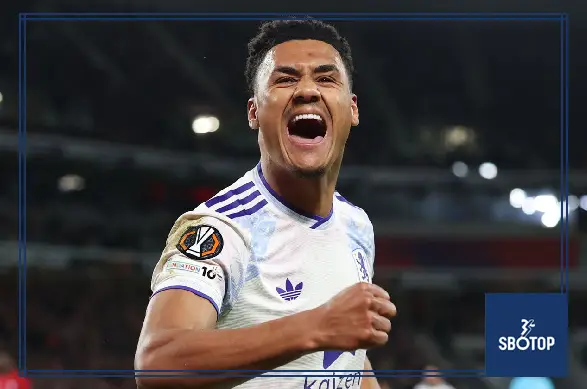
In a tightly contested first-leg encounter, it was a single moment of precision that separated the two sides. English striker Ollie Watkins rose above the Lille defense to head home the decisive goal, giving Aston Villa a narrow but valuable 1–0 advantage heading into the second leg.
The result not only reflects Villa’s resilience away from home but also highlights the tactical clarity instilled by their manager, Unai Emery. With the tie still finely balanced, the match offered a fascinating glimpse into the strategies, strengths, and ambitions of two clubs determined to progress deeper into European competition.
A High-Stakes European Encounter
Knockout rounds in the Europa League rarely lack intensity, and this match was no exception. Lille entered the fixture with strong support from their home crowd and a determination to establish an advantage before traveling to England for the return leg.
Aston Villa, however, arrived with confidence built on a season of impressive performances. Under Emery’s leadership, the club has developed into a disciplined and tactically sophisticated team capable of competing against top European opposition.
From the opening whistle, both sides demonstrated their desire to control the match. Lille pressed aggressively in midfield, while Villa remained patient, carefully building attacks through controlled possession.
The early exchanges set the tone for a match that would be decided by small margins.
Tactical Battle in Midfield
One of the defining aspects of the match was the contest in midfield. Both teams relied on quick transitions and positional discipline to maintain control of the game. Lille attempted to dominate possession, using short passing sequences to stretch Villa’s defensive shape. Their midfielders moved the ball quickly across the pitch, searching for gaps in Villa’s compact defensive structure.
Villa responded with a well-organized pressing system. Emery’s tactical plan emphasized maintaining defensive stability while waiting for opportunities to counterattack.
This strategic patience proved crucial. Rather than chasing the game unnecessarily, Villa focused on controlling space and limiting Lille’s attacking options.
The approach ensured that despite Lille’s energetic start, clear scoring opportunities remained scarce.
Lille’s Early Pressure
Encouraged by their supporters, Lille began the match with impressive intensity. Their attacking players pushed forward quickly, attempting to create overloads on the wings.
Several promising moves forced Aston Villa’s defense to remain alert. Crosses into the penalty area and quick combinations around the box tested Villa’s defensive coordination.
However, the English side maintained composure. Their defenders communicated effectively, clearing dangerous deliveries and preventing Lille from converting pressure into goals.
The disciplined defensive performance demonstrated the tactical influence of Emery, whose teams are known for their organizational structure and ability to remain calm under pressure.
Aston Villa’s Growing Confidence
As the first half progressed, Aston Villa gradually grew into the match. Their midfield began to find more space, allowing them to move the ball forward with greater confidence.
Villa’s attacking approach relied heavily on quick passing transitions and intelligent movement from their forwards. Instead of relying solely on individual brilliance, the team emphasized collective play.
This strategy allowed them to disrupt Lille’s defensive shape and create occasional opportunities near the penalty area.
Although the first half ended without goals, Villa had begun to demonstrate their capacity to challenge Lille’s defense.
The Decisive Moment
The breakthrough arrived during the second half, and it came from a moment of clinical execution.
A well-delivered cross from the right flank floated into the Lille penalty area. Timing his run perfectly, Ollie Watkins surged between defenders and leapt above the defensive line.
His powerful header sent the ball past the goalkeeper and into the net.
For Villa, the goal was the reward for their patience and tactical discipline. Watkins’ ability to anticipate the cross and position himself effectively showcased the striker’s instinct and aerial ability.
The goal also shifted the momentum of the match, forcing Lille to adopt a more aggressive approach in search of an equalizer.
Lille’s Response
Conceding a goal at home in the first leg of a European knockout tie is never ideal, and Lille responded with urgency.
The French side increased their attacking intensity, pushing more players forward in an attempt to break through Villa’s defensive line.
Several dangerous chances emerged as Lille attempted long-range shots and quick combinations near the penalty area.
However, Villa’s defensive unit remained composed. Their defenders cleared crosses effectively and blocked several attempts on goal.
Goalkeeping interventions and disciplined positioning ensured that Lille’s pressure did not result in an equalizing goal.
Defensive Discipline from Aston Villa
One of the key reasons Aston Villa secured victory was their defensive organization.
Throughout the second half, Villa demonstrated excellent positional awareness. Players tracked runners carefully, ensuring that Lille’s attackers rarely found space in dangerous areas.
Midfielders also contributed defensively by intercepting passes and breaking up Lille’s attacking momentum.
This collective defensive effort highlighted the team’s tactical maturity. Every player understood their role in maintaining the narrow advantage.
The Influence of Unai Emery
The victory also reflected the strategic influence of Unai Emery.
The Spanish manager has built a reputation for guiding teams to success in European competitions. His experience in continental tournaments allows him to prepare teams for the unique challenges of knockout football.
Emery’s tactical approach emphasizes adaptability. Against Lille, Villa balanced defensive discipline with selective attacking opportunities.
Rather than attempting to dominate possession throughout the match, the team focused on efficiency—maximizing key moments while minimizing defensive risk.
This pragmatic strategy proved highly effective in securing the first-leg advantage.
Ollie Watkins’ Continued Impact
Ollie Watkins’ goal was another example of the striker’s growing importance to Aston Villa.
Known for his work rate, movement, and finishing ability, Watkins has become one of the team’s most reliable attacking players.
Beyond scoring goals, he contributes to Villa’s pressing system and creates space for teammates through intelligent positioning.
His header against Lille demonstrated not only technical skill but also tactical awareness—qualities that make him a valuable asset in high-pressure matches.
Importance of the First-Leg Advantage
Winning the first leg of a knockout tie can significantly influence the overall outcome. Aston Villa’s 1–0 victory provides them with a crucial advantage heading into the return match.
Playing the second leg at home means Villa can rely on the support of their fans while managing the tempo of the tie.
However, the margin remains slim. A single goal from Lille in the second leg could quickly change the dynamics of the contest.
As a result, Villa must approach the return fixture with the same focus and discipline that secured victory in France.
Lille’s Opportunities in the Second Leg
Despite the defeat, Lille remains very much in contention.
The French club demonstrated strong attacking potential throughout the match, and their ability to create pressure suggests they are capable of turning the tie around.
In the second leg, Lille will likely adopt a more aggressive approach, seeking an early goal to level the aggregate score.
Their challenge will be balancing attacking ambition with defensive stability to avoid conceding a decisive away goal.
European Ambitions for Aston Villa
For Aston Villa, progressing in the Europa League represents an important step in the club’s broader ambitions.
Competing successfully in European tournaments enhances a club’s reputation, attracts talent, and provides valuable experience for players.
Under Emery’s leadership, Villa has shown a clear commitment to competing at a high level in both domestic and continental competitions.
Advancing beyond the round of sixteen would further demonstrate the club’s progress and strengthen their standing within European football.
The Role of Supporters
European matches often create unforgettable atmospheres, and both clubs benefit from passionate fan support.
Lille’s supporters provided energetic encouragement throughout the first leg, pushing their team forward even after conceding.
In the second leg, Aston Villa fans will have the opportunity to create a similarly intense environment.
Supporters can play a crucial role in motivating players and influencing the momentum of knockout matches.
The Unpredictability of European Football
One of the reasons the Europa League remains so captivating is its unpredictability.
Matches between teams from different leagues and playing styles often produce surprising outcomes.
The clash between Lille and Aston Villa showcased contrasting tactical approaches and highlighted how a single moment—such as Watkins’ header—can determine the result.
With the tie still open, the second leg promises another dramatic chapter in this European encounter.
Also Read: