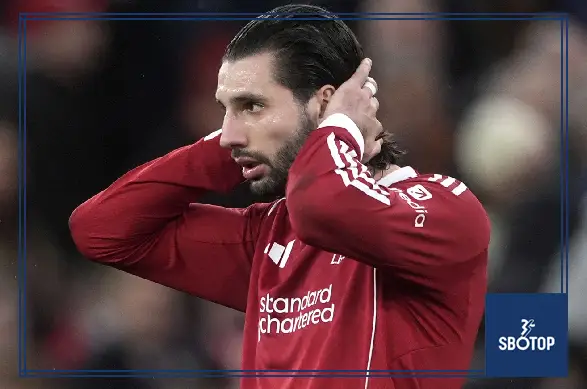
The atmosphere surrounding Liverpool F.C. has become increasingly tense after a disappointing draw against Tottenham Hotspur F.C., with former defender and club legend Jamie Carragher leading sharp criticism of the team’s performance. What was expected to be a crucial step toward securing UEFA Champions League qualification instead turned into another frustrating setback, raising fresh doubts about Liverpool’s consistency in a decisive stage of the season.
The draw, while not catastrophic in isolation, has amplified concerns about momentum, mentality, and tactical clarity. With rivals in the top-four race continuing to collect points, Liverpool’s inability to secure a win at such a critical moment has left supporters anxious and pundits questioning whether the team can finish the campaign strongly enough to meet expectations.
A Match That Slipped Through Liverpool’s Fingers
From the opening minutes, Liverpool appeared intent on controlling the game, pushing high and pressing aggressively. The intensity was familiar, but the execution lacked sharpness.
Tottenham, however, were well-prepared. Under pressure, they absorbed Liverpool’s early dominance and gradually found ways to exploit space in transition. The visitors’ willingness to counter quickly forced Liverpool’s defensive line to remain alert throughout.
Despite creating several promising attacking sequences, Liverpool struggled to convert dominance into decisive chances. Their final ball often lacked precision, and attacking combinations broke down in key areas.
Tottenham’s defensive structure remained compact and disciplined, frustrating Liverpool’s forwards and limiting clear opportunities inside the penalty area. As the game progressed, the pattern became clear: possession for Liverpool, danger on the break for Tottenham.
The final score reflected a balance of inefficiency and resilience, but for Liverpool, it felt more like an opportunity lost than a point gained.
Jamie Carragher’s Strong Assessment
Following the match, Jamie Carragher did not hold back in his analysis of Liverpool’s performance. Known for his direct and often uncompromising commentary, the former defender highlighted several concerns about the team’s lack of urgency and tactical clarity.
Carragher pointed to Liverpool’s inability to maintain intensity for the full duration of the match. While the team showed energy in phases, there were periods where their pressing dropped, allowing Tottenham to grow into the game.
He also questioned Liverpool’s decision-making in attacking areas, suggesting that the team lacked the clinical edge required to break down well-organized opponents. According to his assessment, this inconsistency is what separates title challengers from teams fighting for top-four security.
Although Carragher acknowledged that Liverpool still possess quality in their squad, he emphasized that performances like this make Champions League qualification far from guaranteed.
Tactical Breakdown Why Liverpool Struggled
Liverpool’s tactical approach in the match was built around high pressing and quick transitions. However, Tottenham’s disciplined buildup play disrupted this strategy.
Tottenham frequently bypassed Liverpool’s press by using quick, direct passes into midfield, forcing Liverpool to defend deeper than intended. This reduced the effectiveness of their pressing system and created gaps between midfield and defense.
In possession, Liverpool attempted to stretch the pitch using wide players, but Tottenham’s full-backs tracked diligently, preventing sustained overloads on the flanks.
One of the key issues was Liverpool’s lack of control in midfield during transitional moments. When possession was lost, recovery was often slow, allowing Tottenham to launch counterattacks before Liverpool could reset their shape.
These tactical imbalances meant that Liverpool were frequently reacting rather than dictating the tempo of the game.
Missed Chances and Attacking Inefficiency
Liverpool did create opportunities, particularly in the first half, but their finishing lacked precision. Several promising moves broke down in the final third due to rushed decisions or misplaced passes.
The forwards found themselves in positions to threaten the goal but were often crowded out by Tottenham’s defensive line. Even when space was created, the final execution was inconsistent.
Set pieces also failed to deliver the usual threat associated with Liverpool’s attacking play. Tottenham defended corners and free-kicks with strong organization, limiting second-ball opportunities.
In matches of this importance, converting even a single chance can define the outcome. Liverpool’s inability to do so ultimately proved costly.
Tottenham’s Discipline and Counterattacking Threat
While much of the focus has been on Liverpool’s shortcomings, Tottenham’s performance deserves recognition.
They approached the game with a clear strategy: stay compact, frustrate Liverpool, and exploit space on the counterattack. This plan was executed effectively throughout the match.
Their midfield worked tirelessly to break up play and transition quickly into attack. On several occasions, Tottenham looked dangerous when breaking forward, forcing Liverpool’s defenders into emergency tackles.
Although they did not dominate possession, Tottenham were arguably more efficient in creating high-quality chances. Their structure and discipline allowed them to remain competitive even under sustained pressure.
This result will be seen as a valuable point for Tottenham in their own campaign objectives.
Defensive Concerns for Liverpool
Liverpool’s defensive structure, while not overtly poor, showed signs of vulnerability during transitions. Tottenham’s counterattacks exposed gaps between midfield and defense, particularly when Liverpool committed numbers forward.
The back line was frequently left in one-on-one situations, requiring last-ditch interventions to prevent clear scoring opportunities.
Communication and positioning were generally adequate, but the lack of midfield protection placed additional pressure on the defenders.
This is a recurring issue that has surfaced in several matches this season: when Liverpool push aggressively, they risk being exposed in transition.
Midfield Control The Missing Element
One of the most significant takeaways from the match was Liverpool’s inconsistent midfield control.
At their best, Liverpool’s midfield is capable of dictating tempo, winning second balls, and launching quick attacks. However, in this match, those qualities appeared sporadically rather than consistently.
Tottenham’s ability to bypass pressure lines meant Liverpool’s midfielders were often forced into reactive defending rather than proactive control.
This imbalance affected both attack and defense. Without sustained midfield dominance, Liverpool struggled to build rhythm and were frequently forced into rushed decisions.
Champions League Qualification in Jeopardy
The draw has significant implications for Liverpool’s pursuit of Champions League qualification. With the race for top-four positions intensifying, dropped points at this stage of the season carry increased weight.
Rivals continue to collect wins, and the margin for error is shrinking rapidly. Matches like this one, where dominance does not translate into victory, can define the final standings.
While Liverpool remain in contention, their inconsistency is becoming a growing concern. The team’s ability to respond in high-pressure fixtures will likely determine their final position in the table.
Carragher’s warning reflects this reality: talent alone is not enough without consistency and decisive execution.
Managerial Pressure and Tactical Questions
The draw has also increased scrutiny on Liverpool’s tactical direction. Questions are being raised about game management, substitutions, and in-game adjustments.
While the team’s attacking philosophy remains clear, its effectiveness against well-organized opponents is being tested.
Opponents like Tottenham have demonstrated that Liverpool can be contained if their pressing intensity is neutralized and their midfield space is compressed.
The challenge now is adaptation. Liverpool must find ways to break down compact defensive systems while maintaining defensive stability.
Also Read:
- SBOTOP: Chelsea Lift Women’s League Cup After 2-0 Win Over Man Utd as Lauren James and Aggie Beever-Jones Seal the Final
- SBOTOP: Forest Edge Clear of Drop Zone Despite Stalemate as Pereira Still Seeks First Premier League Victory
- SBOTOP: Bruno Fernandes Inspires Manchester United as Carrick’s Men Beat Aston Villa 3-1 to Strengthen Champions League Push