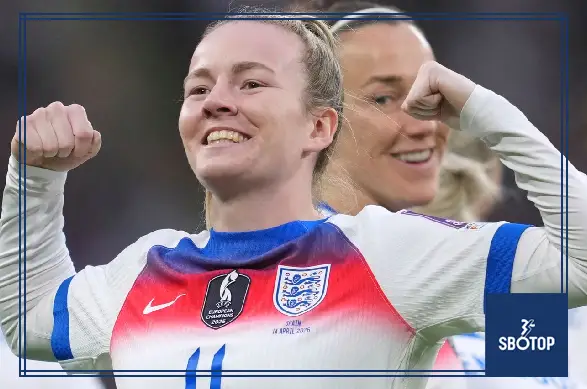
An early strike from Lauren Hemp proved decisive as England women’s national football team secured a hard-fought 1–0 victory over Spain women’s national football team in a crucial FIFA Women’s World Cup qualification encounter. The result not only gave the Lionesses three valuable points but also handed them a significant psychological advantage in the race for qualification.
This was a match defined by intensity, tactical discipline, and fine margins. While England struck early through Hemp’s clinical finish, Spain dominated large spells of possession, forcing the hosts into a defensive shape that required resilience, organization, and unwavering concentration.
A Dream Start for England
England could hardly have imagined a better start. Within the opening stages of the match, Lauren Hemp latched onto a precise attacking move and finished with composure beyond the Spanish goalkeeper.
The goal came as a result of England’s aggressive pressing and quick transition play. Winning the ball high up the pitch allowed them to exploit Spain before they could settle into their usual possession rhythm.
Hemp, known for her pace and intelligent movement, timed her run perfectly between defenders, receiving the ball in space before calmly slotting it home.
It was a moment that set the tone for the entire match.
Spain’s Response Possession Without Penetration
Despite falling behind early, Spain quickly asserted control over possession. Their style, built on technical precision and structured passing, allowed them to dominate the midfield for long stretches.
However, possession did not translate into clear chances.
England’s defensive block remained compact and well-organized, forcing Spain into wide areas and limiting their ability to break through centrally.
Spain attempted to circulate the ball patiently, looking for gaps, but England’s disciplined shape meant those gaps rarely appeared.
England’s Tactical Setup
England approached the match with a clear tactical plan under their coaching structure. Their strategy was built around:
- High-intensity pressing in key moments
- Compact defensive shape in deeper phases
- Quick transitions into attacking zones
- Targeting space behind Spain’s advanced full-backs
The early goal allowed England to shift into a more controlled defensive posture, but they never abandoned their attacking threat entirely.
Whenever possession was regained, England looked to move forward quickly, using wide players like Hemp to stretch Spain’s defensive line.
Lauren Hemp The Difference Maker
Once again, Lauren Hemp proved why she is one of the most dangerous attacking players in women’s football.
Her ability to:
- Exploit space
- Time runs behind defenders
- Maintain composure under pressure
made her the standout figure of the match.
Beyond the goal, Hemp consistently posed a threat on the counterattack, forcing Spain’s defenders to remain cautious and preventing them from pushing too high.
Her performance was a reminder of her growing influence on the international stage.
Spain’s Missed Opportunities
Although Spain dominated possession, they will look back at the match with frustration. Several promising attacks broke down in the final third due to either poor decision-making or England’s defensive resilience.
Key issues for Spain included:
- Lack of cutting edge in the box
- Over-reliance on short passing in crowded areas
- Difficulty breaking England’s defensive lines
Spain’s midfield controlled the tempo, but England’s back line remained alert and disciplined throughout.
Defensive Resilience from the Lionesses
If Lauren Hemp provided the spark in attack, England’s defense provided the foundation for victory.
The back line remained composed under pressure, dealing effectively with crosses and limiting Spain’s ability to create high-quality chances.
England’s defensive structure was built on:
- Strong communication between center-backs
- Midfield support dropping deep when needed
- Quick recovery runs during transitions
This collective effort ensured that Spain were unable to convert possession into goals.
Midfield Battle Control vs Efficiency
The midfield duel was one of the most fascinating aspects of the match.
Spain attempted to dominate through possession-based control, while England focused on efficiency and vertical progression.
England’s midfield strategy revolved around:
- Winning second balls
- Breaking up Spanish rhythm
- Transitioning quickly into attack
Spain, on the other hand, tried to dictate the tempo, but often found themselves slowed down by England’s pressing traps.
Tactical Adjustments During the Match
As the game progressed, both teams made subtle tactical adjustments.
England gradually dropped deeper, inviting Spain to commit more players forward. This created space for counterattacks, though they were not always fully exploited.
Spain increased their attacking pressure, pushing full-backs higher and introducing more attacking players in search of an equalizer.
Despite these changes, neither side dramatically shifted the balance of the match.
Goalkeeper Contributions
England’s goalkeeper played a crucial role in maintaining the clean sheet. While not forced into constant action, she made several important interventions, particularly in dealing with crosses and long-range efforts.
Spain’s goalkeeper, meanwhile, had little chance to prevent Hemp’s early strike but remained alert during England’s occasional counterattacks.
Psychological Impact of the Early Goal
Scoring early had a significant psychological effect on the match.
For England, it provided:
- Confidence
- Tactical flexibility
- Reduced pressure
For Spain, it created:
- Urgency
- Frustration
- Increased risk-taking
This dynamic shaped the rest of the contest, with England comfortably adapting their game plan after taking the lead.
What This Means for Qualification
The victory places England in a strong position in their FIFA Women’s World Cup qualification campaign.
With key matches still ahead, every point is vital, but wins against top opposition like Spain carry additional weight in both standings and confidence.
Spain, meanwhile, will need to regroup quickly and ensure they do not lose further ground in the qualification race.
Areas for Improvement
Despite the win, England will still identify areas to improve:
- Greater control in possession phases
- More efficient use of attacking opportunities
- Reducing time spent under defensive pressure
Spain, conversely, will focus on:
- Improving finishing in the final third
- Increasing attacking directness
- Converting possession dominance into goals
Standout Performances
Beyond Lauren Hemp, several players contributed to England’s success through disciplined and intelligent performances.
Defensive players stood out for their organization, while midfielders worked tirelessly to disrupt Spain’s rhythm and support transitions.
A Rivalry Growing in Intensity
Matches between England and Spain have become increasingly competitive in recent years. Both teams are among the strongest in women’s international football, and encounters between them often come down to small details.
This match reinforced that narrative once again.
Also Read:
- SBOTOP: EFL Drama Unfolds as Portsmouth Stun Ipswich Southampton Continue Winning Run and Rotherham Confirmed Relegated
- SBOTOP: Andoni Iraola Set to Depart Bournemouth as Head Coach at Season’s End Amid Growing Speculation
- SBOTOP: Pace and Pressure Spark Controversy as Manchester United’s Penalty Appeal Is Rejected at Bournemouth