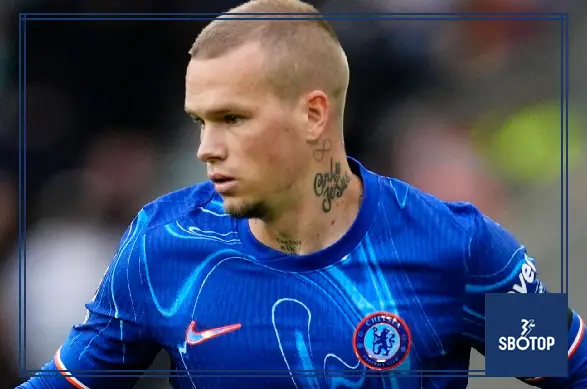
The world of football has once again been shaken by a high-profile controversy, as Mykhailo Mudryk prepares to challenge a reported four-year ban following a doping-related offence. The Chelsea FC winger is set to take his case to the Court of Arbitration for Sport (CAS), a move that could define not only his career trajectory but also spark wider discussions about fairness, process, and accountability in modern football.
For a player once hailed as one of Europe’s brightest attacking prospects, this situation marks a dramatic and uncertain chapter. While the appeal process unfolds, questions loom over the implications for both the individual and the sport at large.
The Emergence of a Rising Talent
Before the controversy, Mykhailo Mudryk’s story was one of rapid ascent. Known for his blistering pace, technical ability, and fearless attacking style, he quickly became a player to watch on the European stage.
His move to Chelsea was seen as a major step in his development, placing him in one of the most competitive leagues in the world. Expectations were high, not only from fans but also from analysts who believed he could evolve into a key figure in top-tier football.
Mudryk’s playing style—direct, explosive, and unpredictable—made him a constant threat on the wing. His ability to beat defenders in one-on-one situations and deliver decisive contributions in the final third set him apart from many of his peers.
The Doping Allegation and Ban
The situation took a serious turn when Mykhailo Mudryk became involved in a doping case that resulted in a significant ban. Reports indicate that the sanction imposed was four years, one of the most severe penalties in professional sports.
Doping regulations in football are governed by strict international standards designed to maintain fairness and integrity. When a violation is detected, governing bodies are required to act decisively.
However, such cases are rarely straightforward. They often involve complex investigations, scientific analysis, and legal interpretations that go beyond the initial findings.
For Mudryk, the ban represents not just a suspension from playing, but a potential interruption of his career during some of his most critical developmental years.
The Decision to Appeal
Rather than accepting the sanction, Mudryk has chosen to appeal to the Court of Arbitration for Sport. This decision reflects a determination to challenge the findings and seek a review of the case.
CAS serves as the highest authority in sports-related disputes, providing an independent platform for athletes, clubs, and governing bodies to resolve conflicts. Its rulings are binding and carry significant weight in the sporting world.
By taking his case to CAS, Mudryk is effectively entering a legal process that will examine evidence, procedures, and the interpretation of anti-doping rules in detail.
This step suggests that the player and his legal team believe there are grounds to contest the ban.
Understanding the Appeal Process
The appeal process at CAS involves several stages. First, both parties submit their arguments and supporting evidence. This is followed by hearings where legal representatives present their cases before a panel of arbitrators.
The panel then reviews all aspects of the case, including scientific data, procedural compliance, and mitigating circumstances. Based on this, a final decision is issued.
The process can take months, depending on the complexity of the case. During this time, uncertainty remains for all parties involved.
For Mudryk, this period will be crucial in determining whether the ban is upheld, reduced, or overturned entirely.
The Role of Evidence in Doping Cases
Doping cases are heavily reliant on scientific evidence. Testing procedures, sample analysis, and chain-of-custody documentation all play critical roles in establishing the validity of findings.
Any discrepancies or procedural errors can become key points in an appeal. Legal teams often scrutinize every detail of the testing process to identify potential grounds for challenge.
Additionally, athletes may present arguments related to unintentional ingestion, contamination, or other mitigating factors.
The outcome of such cases often hinges on how convincingly these arguments are presented and evaluated.
Impact on Chelsea FC
For Chelsea FC, the situation presents both sporting and reputational challenges. Losing a player of Mudryk’s profile for an extended period would affect squad depth and tactical options.
Clubs are also sensitive to the public perception surrounding doping cases. While they may support their players through legal processes, they must also uphold standards of professionalism and integrity.
Chelsea’s approach is likely to remain cautious, balancing support for the player with respect for the ongoing legal proceedings.
Psychological and Professional Consequences
Beyond the legal and sporting implications, cases like this have significant psychological impacts on athletes.
Facing a potential multi-year ban can be mentally exhausting. The uncertainty, public scrutiny, and potential damage to reputation all contribute to the pressure.
For a young player like Mudryk, this situation represents a major personal challenge. How he navigates this period—both mentally and professionally—will be critical.
Support from family, teammates, and professionals can play a vital role during this time.
Broader Implications for Football
Mudryk’s case also raises broader questions about doping in football. While the sport has historically seen fewer high-profile cases compared to others, the issue remains a serious concern.
Strict enforcement of anti-doping regulations is essential to maintain fairness. At the same time, ensuring due process and protecting athletes’ rights is equally important.
Cases like this highlight the delicate balance between these two priorities.
Public and Media Reaction
The reaction from fans and media has been mixed. Some express support for Mudryk, emphasizing the importance of a fair appeal process. Others focus on the seriousness of doping violations and the need for strict enforcement.
Media coverage often amplifies the complexity of such cases, presenting various perspectives and interpretations.
This environment can add to the pressure on the player, making it even more important for the process to remain objective and transparent.
Possible Outcomes of the Appeal
There are several potential outcomes to Mudryk’s appeal:
- The ban could be upheld in full
- The duration of the ban could be reduced
- The ban could be overturned entirely
Each outcome carries significant implications. A reduced or overturned ban would allow Mudryk to resume his career sooner, while an upheld ban would require him to reassess his future in the sport.
Lessons for Athletes and Clubs
This case serves as a reminder of the importance of awareness and compliance with anti-doping regulations.
Athletes must be vigilant about what they consume, including supplements and medications. Even unintentional violations can lead to severe consequences.
Clubs also play a role in educating and supporting their players, ensuring they understand the risks and responsibilities involved.
The Road Ahead
As the appeal process unfolds, the focus will remain on the evidence and arguments presented before CAS. The final decision will not only affect Mudryk’s career but also contribute to ongoing discussions about fairness and accountability in sports.
For now, uncertainty prevails. The outcome will determine whether this chapter becomes a temporary setback or a defining turning point.
Also Read:
- SBOTOP Atletico Madrid 1-1 Arsenal: Late Drama as Arsenal Penalty Is Overturned in Frantic Champions League Semi-Final First Leg Draw
- SBOTOP: Arsenal Crush Leicester 7-0 as Stina Blackstenius Nets Brace to Send Strong WSL Title Warning to Leaders Manchester City
- SBOTOP: PSG vs Bayern Munich Champions League Thriller Sparks Debate as Harry Kane Wayne Rooney and Jamie Carragher Weigh In