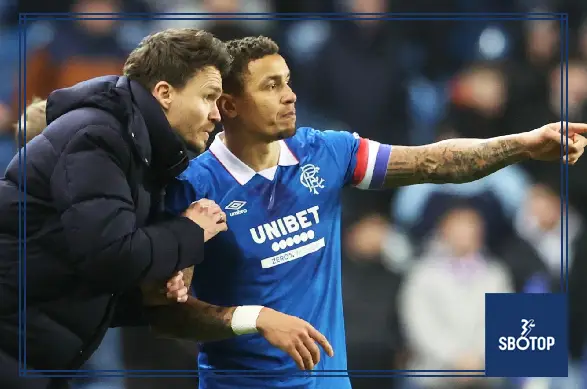
Rangers manager Danny Röhl found himself at the center of intense discussion after making the controversial decision to leave club captain James Tavernier out of the starting line-up during what was expected to be the defender’s emotional final appearance at Ibrox. The move immediately sparked debate among supporters, pundits, and former players, many of whom viewed the occasion as one deserving of sentiment and respect for one of Rangers’ most influential modern figures.
Röhl, however, defended the decision firmly, insisting that the choice was made with the team’s competitive priorities in mind rather than emotion. According to the manager, every selection must ultimately serve the broader objective of performance and results, regardless of the emotional significance attached to individual players or occasions.
The decision has since become one of the defining talking points surrounding Rangers’ closing stretch of the season, highlighting the difficult balance managers often face between emotional loyalty and professional responsibility.
An Emotional Occasion at Ibrox
James Tavernier’s connection with Rangers supporters has been built over years of leadership, consistency, and memorable performances. As captain, he became one of the most recognizable figures of the club’s modern era, leading the team through triumphs, setbacks, and periods of major transition.
With reports suggesting his departure from the club could be imminent, many supporters anticipated an emotional farewell atmosphere at Ibrox. Fans expected Tavernier to start, wear the captain’s armband, and receive a proper send-off in front of the home crowd.
Instead, Danny Röhl’s team selection shifted the narrative dramatically before kick-off even began.
The absence of Tavernier from the starting line-up immediately created tension and confusion inside the stadium.
Danny Röhl’s Explanation
Following the match, Danny Röhl addressed the controversy directly.
The Rangers manager explained that his responsibility was first and foremost to the team’s performance and tactical preparation. While acknowledging Tavernier’s importance to the club, Röhl emphasized that emotional factors could not override footballing decisions.
According to Röhl, the selection was based on:
- Tactical considerations
- Physical condition and workload management
- Match-specific planning
- Current form and balance within the team
He stressed that difficult decisions are part of management at elite clubs and that personal sentiment cannot dictate selection policy.
While some supporters appreciated the honesty and professionalism of the explanation, others felt the decision lacked emotional awareness given Tavernier’s status at the club.
The Difficult Balance Between Emotion and Competition
Football managers regularly face situations where emotional expectations collide with competitive priorities.
Supporters often want legendary players to receive symbolic moments, especially during final appearances. Managers, however, are judged primarily on results and performances.
This creates a difficult balancing act.
In Röhl’s case, he appeared determined to establish a culture where no individual—regardless of status—is automatically guaranteed selection based solely on emotion or history.
That approach reflects a highly modern managerial philosophy centered around merit, tactical suitability, and collective responsibility.
However, football is also deeply emotional, particularly at clubs like Rangers where identity and tradition carry enormous weight.
James Tavernier’s Legacy at Rangers
Regardless of the controversy surrounding this decision, James Tavernier’s legacy at Rangers remains significant.
Over the years, he became synonymous with leadership and consistency. His contributions extended beyond defensive responsibilities, as he regularly influenced matches with attacking involvement, set-piece quality, and crucial goals.
Tavernier’s time at Rangers included:
- Major domestic success
- European campaigns
- Leadership during difficult periods
- Record-breaking contributions from defense
- Strong connection with supporters
His influence made him one of the most recognizable captains in recent club history.
For many fans, that legacy deserved a more traditional farewell moment.
Supporter Reaction Divided Across the Fanbase
Reaction among Rangers supporters was immediate and deeply divided.
Some fans supported Röhl’s professionalism, arguing that football decisions should always prioritize team performance over emotional narratives.
Others believed the manager underestimated the emotional importance of the occasion and failed to show sufficient respect to a player who had given years of service to the club.
Social media discussions reflected this divide:
- Some praised Röhl for making a bold, disciplined decision
- Others accused him of mishandling a sensitive moment
- Many questioned whether the timing of the decision was appropriate
The intensity of the reaction highlighted Tavernier’s importance within Rangers culture.
Röhl’s Broader Vision for Rangers
Beyond the immediate controversy, the decision may also reveal Danny Röhl’s broader vision for the club.
Managers often use symbolic moments to establish authority and reinforce standards within the squad. By making a difficult and unpopular choice, Röhl may have intended to send a message about accountability and competition for places.
Elite football increasingly rewards managers who maintain consistency in decision-making rather than allowing sentiment to shape tactical choices.
Röhl’s approach suggests he wants Rangers to operate with:
- Tactical discipline
- Merit-based selection
- High physical standards
- Collective focus over individual status
Whether supporters ultimately accept that philosophy may depend heavily on future results.
The Pressure of Managing Rangers
Few managerial jobs in football come with pressure comparable to Rangers.
The expectations are enormous:
- Winning domestic trophies
- Competing consistently with Celtic
- Delivering attractive football
- Managing intense media scrutiny
- Handling emotionally invested supporters
Every decision is magnified, especially those involving iconic players.
Röhl’s decision regarding Tavernier was never going to pass quietly because of the emotional weight surrounding the captain’s relationship with the club.
At Rangers, symbolism matters almost as much as tactics.
Football’s Shift Toward Ruthless Professionalism
Modern football increasingly prioritizes performance metrics, tactical fit, and long-term planning over sentimentality.
Managers are expected to make difficult choices without emotional compromise.
This trend has become common across elite football, where legendary players are often phased out based on:
- Tactical evolution
- Physical demands
- Squad rebuilding
- Long-term strategic planning
Röhl’s handling of Tavernier appears consistent with this modern philosophy.
However, the emotional culture of football clubs often resists purely clinical decision-making.
Tavernier’s Professional Response
One of the most notable aspects of the situation was Tavernier’s response.
Despite understandable disappointment, reports suggested he remained professional and supportive of the team throughout the occasion.
Experienced leaders often recognize that football decisions can be difficult and emotionally complicated.
Tavernier’s calm handling of the situation likely reinforced the respect many teammates and supporters already held for him.
Moments like these often reveal character as much as performance.
Dressing Room Dynamics and Leadership
Decisions involving senior players can also impact dressing room dynamics.
Managers must consider how their actions affect:
- Squad morale
- Leadership hierarchy
- Player trust
- Competitive standards
If handled poorly, such decisions can create division. If handled clearly and honestly, they can reinforce professionalism and accountability.
Röhl’s direct communication may help maintain internal clarity, even if external reaction remains divided.
The Role of Sentiment in Football
One reason this story resonates so strongly is because football is not purely logical.
Supporters develop emotional attachments to players who represent the club’s identity, values, and history.
For many Rangers fans, Tavernier became more than just a player—he became part of the emotional fabric of the club.
That is why decisions like this generate debate beyond tactical analysis.
Football supporters often value symbolic respect as highly as competitive logic.
What Comes Next for Rangers
As Rangers move forward, the focus will inevitably shift toward rebuilding, recruitment, and future leadership within the squad.
Questions now include:
- Who becomes the next long-term leader?
- How will the team evolve tactically?
- Can Röhl establish sustained authority and success?
- Will supporters fully embrace his methods?
The answers will shape the next phase of the club’s direction.
Tavernier’s Future Beyond Ibrox
If this truly marks the final stage of Tavernier’s Rangers journey, attention will soon turn toward his future.
Players of his experience and profile often attract interest from:
- Overseas leagues
- Ambitious domestic clubs
- Leadership-focused projects
- Teams seeking experienced professionals
Regardless of his next destination, his connection with Rangers supporters is unlikely to disappear.
Legacies built over years rarely fade quickly.
Also Read:
- SBOTOP: Xavier Simons Fires Bolton Into League One Play-Off Final as Wanderers Edge Bradford with Clinical Aggregate Victory
- SBOTOP: Chelsea Women Prepare for Major Change as Australian Star Sam Kerr Set to Exit Club This Summer
- SBOTOP Inside the Scottish Premiership: Latest Transfer Buzz Breaking Rumours Club Drama and Football Headlines