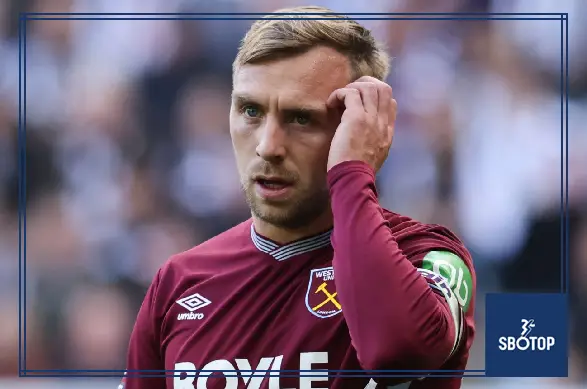
For much of the season, West Ham United F.C. found themselves trapped in a battle few supporters expected to experience. Instead of competing comfortably in mid-table or chasing European qualification, the London club spent long periods nervously glancing toward the relegation zone as pressure mounted across every level of the organization.
Now, captain Jarrod Bowen has openly admitted that fears of relegation were beginning to “creep in” during the campaign, offering an honest reflection on one of the most emotionally exhausting seasons of his career.
Bowen’s comments reveal just how serious the situation became inside the dressing room. While fans and pundits speculated externally about West Ham’s form, the players themselves were privately battling growing anxiety over the possibility of an unthinkable collapse.
For a club that recently celebrated European success and dreamed of establishing itself among the Premier League’s consistent challengers, the sudden fear of relegation represented a dramatic psychological shift.
Bowen’s honesty has now opened a wider conversation about pressure, leadership, expectations, and how quickly fortunes can change in modern football.
From European Nights to Relegation Anxiety
The emotional contrast between West Ham’s recent highs and this difficult campaign could hardly have been more extreme. Only a short time ago, the club celebrated historic moments in European competition, creating unforgettable memories for supporters and strengthening belief that West Ham were entering a new era of progress.
Under those circumstances, few imagined the team would later become entangled in a tense relegation battle.
Yet football changes quickly.
A combination of inconsistent performances, injuries, tactical uncertainty, and confidence issues gradually pushed West Ham toward dangerous territory in the league table.
As losses accumulated, the psychological pressure intensified.
Bowen’s admission that relegation fears were beginning to affect the squad reflects how even experienced Premier League teams can suddenly lose emotional stability during difficult periods.
Jarrod Bowen’s Leadership Under Pressure
As captain, Jarrod Bowen occupied one of the most demanding roles within the club during the turbulent season.
Leadership in football is often romanticized during successful periods, but the true challenge comes when confidence disappears and results collapse.
Bowen was tasked with:
- Maintaining dressing room belief
- Supporting struggling teammates
- Handling media scrutiny
- Delivering performances personally
- Managing fan frustration
That emotional burden can become exhausting over a long campaign.
Unlike supporters, players cannot emotionally disconnect after defeats. Every training session, tactical meeting, and recovery period becomes shaped by league position and growing anxiety.
Bowen’s willingness to speak openly about those emotions offers rare insight into the mental side of relegation battles.
How Relegation Fear Gradually Builds
One of the most dangerous aspects of relegation pressure is that it rarely arrives all at once.
Instead, fear develops gradually.
At first, teams dismiss poor results as temporary setbacks. Players remain confident that quality alone will eventually solve problems.
But when wins fail to arrive consistently, doubt begins to grow.
Suddenly:
- Missed chances feel heavier
- Mistakes become magnified
- Confidence disappears faster
- Players overthink decisions
- Atmospheres become tense
Bowen’s phrase “starting to creep in” perfectly captures this psychological process.
Relegation fear often begins quietly before eventually dominating the environment completely.
Expectations Made the Situation Worse
Part of what made West Ham’s difficult season so emotionally intense was expectation.
This was not a newly promoted side expected to struggle for survival. West Ham entered the campaign with ambitions far higher than merely avoiding relegation.
The squad contained:
- Experienced internationals
- Proven Premier League performers
- European competition experience
- Significant attacking quality
Supporters expected stability at minimum.
When performances deteriorated, the gap between expectation and reality increased frustration across the club.
Players could feel that tension from supporters, media coverage, and public criticism.
For captains like Bowen, managing those emotions became almost as important as football itself.
The Psychological Weight of Premier League Survival
The Premier League is arguably the most emotionally demanding domestic competition in world football.
Every match carries enormous financial, sporting, and reputational consequences.
Relegation threatens:
- Club finances
- Player futures
- Managerial positions
- Long-term projects
- Supporter morale
Because of this, survival battles often create extraordinary psychological pressure.
Players begin focusing not on long-term ambitions, but on avoiding disaster.
That shift changes everything:
- Confidence decreases
- Risk-taking disappears
- Attacking freedom becomes limited
- Mistakes create panic
West Ham experienced those emotional swings throughout the season.
Bowen Continued Performing Despite the Pressure
One reason Bowen’s comments have resonated strongly is because he remained one of West Ham’s most reliable performers during the difficult campaign.
Even while the team struggled collectively, Bowen consistently attempted to:
- Drive attacking transitions
- Create scoring opportunities
- Lead emotionally through effort
- Maintain intensity under pressure
That responsibility can become draining when results remain inconsistent.
Captains often feel personally accountable for the emotional state of the team, even when problems extend far beyond individual performances.
Bowen’s leadership was tested in ways far more difficult than during successful seasons.
Supporters Felt the Anxiety Too
West Ham fans also experienced enormous emotional strain during the campaign.
Supporters who had recently celebrated European nights suddenly found themselves anxiously checking relegation permutations and monitoring results elsewhere in the league.
The emotional atmosphere around the club changed dramatically.
Home matches became tense rather than celebratory. Every defensive mistake triggered anxiety, while missed opportunities felt catastrophic.
Fans and players were emotionally connected through shared fear.
Bowen’s comments likely resonated because supporters themselves had already sensed that tension building throughout the season.
Tactical Inconsistency Hurt West Ham
Footballing issues also contributed heavily to the club’s struggles.
At various stages of the campaign, West Ham appeared tactically uncertain:
- Defensive organization became inconsistent
- Midfield balance fluctuated
- Attacking transitions lacked precision
- Pressing intensity dropped
These problems made it difficult for the team to build momentum.
In relegation battles, consistency matters more than spectacular performances. Teams survive by remaining emotionally and tactically stable over long periods.
West Ham struggled to achieve that balance consistently.
Premier League Margins Are Brutally Small
Bowen’s reflections also highlight how unforgiving the Premier League has become.
The gap between mid-table stability and relegation danger is often surprisingly small.
A poor run of results, injuries to key players, or loss of confidence can rapidly transform a season.
Even clubs with strong squads and significant resources are not immune.
This unpredictability is part of what makes the Premier League globally compelling—but it also creates relentless pressure for players and managers.
West Ham learned that reality painfully throughout the campaign.
Leadership Means Facing Difficult Truths
One reason Bowen’s honesty stands out is because football interviews often avoid uncomfortable realities.
Captains frequently deliver carefully managed answers designed to reduce tension rather than reveal genuine emotions.
Bowen’s willingness to admit relegation fear existed demonstrates maturity and accountability.
Rather than pretending the squad never felt pressure, he acknowledged the psychological reality of the situation.
That honesty may actually strengthen trust between players and supporters because fans appreciate emotional authenticity during difficult moments.
The Dressing Room Response
Despite the growing anxiety, West Ham ultimately avoided complete collapse because the squad continued fighting.
Relegation battles often destroy dressing rooms emotionally. Blame spreads internally, confidence disappears entirely, and relationships fracture under pressure.
West Ham appeared to avoid the worst of that breakdown.
Bowen’s leadership likely played an important role in maintaining unity during difficult stretches.
Keeping players emotionally connected becomes crucial when confidence falls.
Lessons Learned From the Campaign
The difficult season may ultimately become a valuable learning experience for both West Ham and Bowen personally.
The campaign exposed weaknesses that require attention:
- Squad balance
- Tactical flexibility
- Mental resilience
- Consistency under pressure
However, surviving emotionally difficult periods can also strengthen teams long term.
Some clubs emerge from struggles with greater clarity and stronger internal mentality.
West Ham will hope this season becomes a warning rather than the beginning of decline.
Bowen’s Importance to West Ham’s Future
As captain and one of the club’s most influential players, Bowen will remain central to West Ham’s future ambitions.
His performances, mentality, and connection with supporters make him one of the most important figures at the club.
Importantly, his comments suggest he fully understands:
- The responsibility of leadership
- The emotional demands of the Premier League
- The dangers of complacency
Those lessons may shape West Ham’s mentality moving forward.
Rebuilding Confidence Will Be Essential
One of West Ham’s biggest challenges next season will be psychological recovery.
Teams emerging from difficult campaigns often carry emotional scars:
- Fear of repeating mistakes
- Reduced confidence under pressure
- Nervousness during poor runs of form
Rebuilding belief requires:
- Positive early results
- Tactical clarity
- Emotional leadership
- Stability within the squad
Bowen’s openness may actually help this process because acknowledging problems honestly is often the first step toward improvement.
Also Read:
- SBOTOP: Guardiola’s Title Dream Crumbles at Bournemouth as Arsenal Clinch Premier League Glory After Dramatic Draw
- SBOTOP Road to World Cup 2026: Scotland’s Full Fixture Journey Knockout Scenarios and Steve Clarke’s Bid to Rewrite History
- SBOTOP: Steve Clarke Praises Scotland Supporters’ Passion After Latest Pitch Invasion Incident Ahead of World Cup 2026 Push