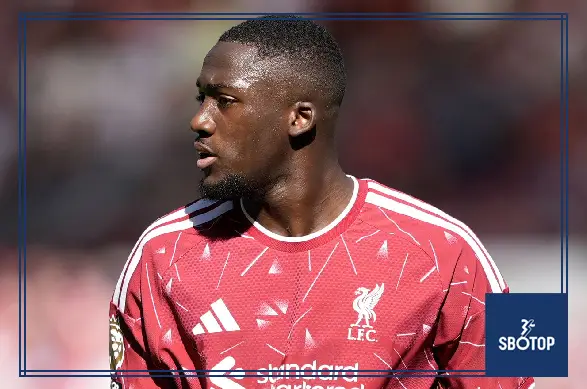
Liverpool have experienced numerous transitions throughout their modern history, but few developments carry as much significance as changes within the heart of the defense. As reports continue to suggest that Ibrahima Konate could be approaching a departure from Anfield on a free transfer, the club may soon face one of its most important squad-management challenges in recent years.
Konate has been a prominent figure in Liverpool’s defensive structure since arriving from RB Leipzig. Over the years, he developed into one of the team’s most reliable center-backs, combining physical dominance, pace, composure, and tactical intelligence. His presence has contributed to many important performances, helping Liverpool compete across domestic and European competitions.
If his time at Anfield is indeed nearing its conclusion, the implications will extend beyond the loss of a single player. Liverpool would need to rethink aspects of their defensive planning, evaluate replacement options, and ensure that the team maintains the stability necessary to remain competitive at the highest level.
This situation highlights the delicate balance between squad evolution and continuity, a challenge faced by every elite football club.
Konate’s Arrival and Early Promise
When Liverpool secured Konate from RB Leipzig, the move was widely viewed as an investment in the future.
The French defender arrived with a strong reputation. His performances in Germany had demonstrated a blend of physical attributes and technical quality that made him one of Europe’s most promising young defenders.
Liverpool’s recruitment team believed he possessed the qualities required to thrive in the Premier League.
Among those qualities were:
- Exceptional pace.
- Strong aerial ability.
- Confidence in possession.
- Aggressive defending.
- Tactical awareness.
These attributes made him an ideal fit for Liverpool’s demanding style of play.
From the beginning, expectations were high.
Adapting to Liverpool’s System
Moving to Liverpool represented a significant step in Konate’s career.
The club’s tactical approach placed unique demands on defenders. Center-backs were expected not only to defend effectively but also to contribute to possession-based buildup, maintain a high defensive line, and support aggressive pressing structures.
Such responsibilities require concentration, athleticism, and decision-making under pressure.
Konate adapted impressively.
His ability to recover quickly in defensive transitions proved particularly valuable. Liverpool’s attacking philosophy often leaves space behind the defensive line, making recovery speed an essential trait for center-backs.
Konate consistently demonstrated the capacity to handle these situations.
Building Important Partnerships
Central defensive partnerships play a crucial role in football success.
Strong partnerships are built through:
- Communication.
- Trust.
- Tactical understanding.
- Consistency.
Throughout his Liverpool career, Konate formed effective relationships with fellow defenders, helping create defensive stability during important periods.
These partnerships allowed Liverpool to maintain balance between attacking ambition and defensive responsibility.
The understanding developed over multiple seasons cannot easily be replicated overnight.
This reality is one reason why potential departures from central defense carry such significance.
Physical Presence and Defensive Authority
One of Konate’s defining characteristics has been his physical presence.
Modern football increasingly emphasizes technical quality, but physical attributes remain important, particularly in the Premier League.
Konate’s strength allowed him to:
- Compete effectively in aerial duels.
- Handle physical forwards.
- Defend set pieces.
- Win one-on-one battles.
These qualities provided Liverpool with a level of defensive authority that opponents often found difficult to overcome.
Physical dominance alone does not guarantee success, but when combined with technical competence and tactical awareness, it becomes a powerful asset.
Contributions Beyond Traditional Defending
Football continues to evolve, and defenders are now expected to contribute far beyond their traditional responsibilities.
Konate embraced these demands.
His role frequently included:
- Initiating attacks.
- Progressing the ball through passing.
- Supporting possession retention.
- Maintaining defensive structure during buildup phases.
Liverpool’s system relies heavily on defenders capable of operating comfortably in possession.
Konate’s technical ability enabled him to fulfill these responsibilities effectively.
This versatility increased his value within the squad.
Why a Potential Departure Matters
Every squad experiences change.
However, losing a key defender can create challenges that extend beyond replacing individual performances.
Defensive units depend heavily on:
- Familiarity.
- Communication.
- Coordination.
When an established defender leaves, the team often requires time to adjust.
Liverpool would need to address several questions:
- Who replaces Konate?
- How does the defensive structure evolve?
- Can existing players absorb additional responsibility?
- What type of defender best fits future plans?
These considerations illustrate why defensive transitions require careful management.
Free Transfers and Modern Football
The possibility of Konate leaving on a free transfer also highlights an increasingly important aspect of modern football.
Contract management has become a critical component of squad planning.
Allowing valuable players to approach the end of their contracts can create difficult situations.
Clubs must balance:
- Financial considerations.
- Player ambitions.
- Contract negotiations.
- Long-term planning.
Free transfers offer players greater flexibility while potentially limiting a club’s ability to generate transfer income.
As a result, managing contract situations effectively has become one of football’s most important administrative challenges.
Liverpool’s Defensive Evolution
Liverpool have undergone several defensive transformations over the past decade.
Different eras have featured varying tactical approaches, personnel combinations, and leadership structures.
Throughout these changes, successful transitions have generally shared common characteristics:
- Strategic planning.
- Strong recruitment.
- Clear tactical vision.
Should Konate depart, Liverpool will need to apply these same principles once again.
The objective will not simply be replacing a player but maintaining the overall effectiveness of the defensive system.
Recruitment Challenges Ahead
Finding elite center-backs is increasingly difficult.
The modern game demands a rare combination of qualities:
- Defensive reliability.
- Athleticism.
- Technical competence.
- Tactical intelligence.
- Mental resilience.
Players who excel in all these areas are highly sought after.
Consequently, recruitment decisions carry significant importance.
Liverpool’s recruitment team has earned a reputation for identifying talent effectively, and supporters will likely trust the club’s ability to navigate this challenge.
However, replacing established performers is never straightforward.
Opportunities for Emerging Talent
While departures create challenges, they can also create opportunities.
Young defenders within Liverpool’s system may view a potential vacancy as a chance to establish themselves.
Youth development remains an important part of the club’s philosophy.
Emerging players often benefit from:
- Increased playing opportunities.
- Greater responsibility.
- Exposure to high-level competition.
Balancing internal development with external recruitment will likely form part of Liverpool’s strategy moving forward.
Successful clubs frequently combine both approaches.
Tactical Implications
Any change in central defense can influence broader tactical decisions.
Different defenders possess different strengths.
Some excel in possession.
Others prioritize defensive aggression.
Some thrive in high defensive lines, while others perform better in deeper structures.
Liverpool’s coaching staff must consider how potential replacements align with the team’s tactical identity.
Maintaining consistency while adapting to personnel changes requires careful planning.
This process often shapes recruitment priorities.
Leadership Within the Defensive Unit
Leadership is another factor often overlooked during transfer discussions.
Experienced defenders contribute more than tackles and interceptions.
They help organize teammates, communicate during difficult moments, and maintain standards throughout matches.
Konate’s experience at both club and international level enhanced his influence within the squad.
If he departs, Liverpool may need other players to assume greater leadership responsibilities.
Strong leadership remains essential for defensive stability.
Supporter Perspectives
Liverpool supporters have watched Konate develop into an important figure at Anfield.
As a result, any potential departure is likely to generate mixed emotions.
Fans appreciate:
- Commitment.
- Performance quality.
- Professionalism.
- Consistency.
While supporters understand that football evolves, losing established players can still be disappointing.
At the same time, Liverpool fans have witnessed successful squad transitions before.
This history provides confidence that the club can adapt effectively.
The Importance of Squad Planning
Elite football clubs constantly plan for future scenarios.
Effective squad planning involves anticipating potential departures and preparing contingency options.
Liverpool’s leadership structure has generally emphasized proactive planning rather than reactive decision-making.
This approach helps minimize disruption when significant changes occur.
Whether through recruitment, youth development, or tactical adjustment, clubs must ensure they remain prepared for evolving circumstances.
Konate’s situation reinforces the importance of this principle.
Competition at the Highest Level
Liverpool’s ambitions remain substantial.
Competing for major trophies requires excellence across every area of the squad.
Defensive strength forms a crucial part of that equation.
The Premier League’s competitive nature means even small declines in performance can have significant consequences.
Maintaining defensive standards therefore remains a priority.
If changes become necessary, Liverpool must ensure that replacements are capable of contributing immediately.
The margin for error at the highest level is extremely small.
Looking Toward the Future
While uncertainty surrounds Konate’s future, Liverpool’s long-term outlook remains positive.
The club possesses:
- Strong infrastructure.
- Established recruitment systems.
- Ambitious leadership.
- Talented players.
These strengths provide a solid foundation for navigating transition periods.
Football’s history demonstrates that successful clubs evolve continuously.
Players arrive, develop, and eventually move on.
What matters most is how effectively organizations manage these cycles.
Liverpool’s challenge will be ensuring that any defensive changes strengthen rather than disrupt the team’s trajectory.
Also Read: