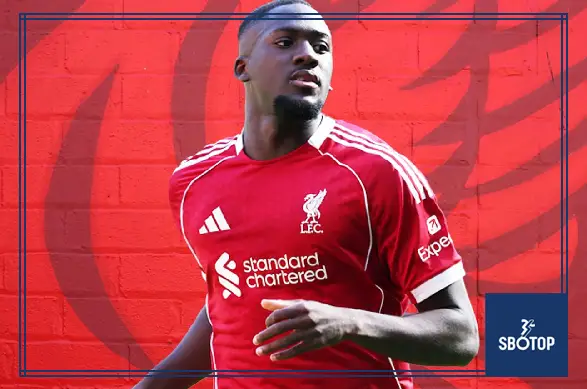
The summer transfer window is often a period of optimism for football clubs. Supporters eagerly anticipate new signings, managers look to strengthen key areas, and executives work behind the scenes to shape squads for the challenges ahead. Yet for Liverpool, what should be a straightforward period of planning could become significantly more complicated if uncertainty surrounding Ibrahima Konate’s future continues to grow.
A potential departure for the French defender would represent far more than the loss of a single player. It would create tactical, financial, and strategic challenges that could influence Liverpool’s entire summer transfer strategy. As one of the club’s most important defensive figures in recent seasons, Konate has developed into a cornerstone of Liverpool’s back line, making any discussion about his future impossible to ignore.
Whether the speculation ultimately results in a transfer or not, the situation highlights how quickly a club’s transfer priorities can change when a key player becomes the subject of uncertainty.
Konate’s Rise at Liverpool
Since arriving at Liverpool, Ibrahima Konate has steadily established himself as one of the Premier League’s most reliable central defenders.
Initially viewed as a player with enormous potential, Konate gradually evolved into a dependable starter capable of performing consistently at the highest level. His combination of physical strength, recovery pace, aerial dominance, and composure in possession made him an ideal fit for Liverpool’s style of play.
Playing in a team that often pushes its defensive line high up the pitch requires unique qualities. Defenders must be comfortable covering large spaces, making quick decisions, and handling one-on-one situations against elite attackers.
Konate demonstrated all of those attributes.
Over time, he became more than just a promising signing. He became an essential part of Liverpool’s defensive structure.
Why Konate Matters So Much
Modern football places enormous demands on central defenders.
Gone are the days when defenders were judged solely by tackles and clearances. Today’s elite center-backs are expected to contribute in multiple phases of play.
Konate excels in several critical areas:
- Defensive positioning
- Aerial duels
- Ball progression
- Recovery speed
- Physical battles
- Press resistance
These qualities allow Liverpool to maintain an aggressive tactical approach.
A high defensive line can be risky without defenders capable of recovering quickly when opponents attack in transition. Konate’s athletic profile helps reduce that risk.
His presence also provides confidence to teammates throughout the team. Midfielders can press more aggressively, and full-backs can advance higher knowing that the central defense has the ability to manage dangerous situations.
Replacing such a player is rarely straightforward.
The Timing Could Not Be More Difficult
One reason the situation has generated so much discussion is timing.
Liverpool are entering a crucial period of squad development. Every major club constantly balances short-term competitiveness with long-term planning, and summer transfer windows often define the trajectory of future seasons.
If Konate were to leave, Liverpool would suddenly face several interconnected challenges:
- Replacing a starting-caliber defender
- Maintaining squad depth
- Managing transfer budgets
- Preserving tactical stability
- Avoiding disruption during preseason preparations
Instead of focusing entirely on strengthening other areas, the club would potentially need to redirect significant resources toward solving a defensive problem.
That shift could alter the entire structure of Liverpool’s transfer strategy.
The Challenge of Finding a Replacement
Finding a replacement for an elite defender is one of the most difficult tasks in football recruitment.
The global market contains many talented defenders, but very few possess the complete package required to thrive at a club like Liverpool.
A suitable replacement would likely need:
- Premier League-level physicality
- Strong technical ability
- Tactical intelligence
- Experience under pressure
- Long-term development potential
The pool of players meeting all those criteria is relatively small.
Furthermore, clubs across Europe understand the value of elite defenders. As a result, transfer fees continue to rise dramatically whenever top center-backs become available.
Liverpool would likely face intense competition from other major clubs if they entered the market searching for a player capable of replacing Konate.
Tactical Consequences of Losing Konate
Every player contributes differently to a team’s tactical identity.
In Liverpool’s case, Konate’s skill set allows the team to maintain defensive aggression while minimizing exposure to counterattacks.
His pace enables Liverpool to play higher up the pitch.
His strength helps neutralize physical forwards.
His composure on the ball supports the team’s build-up play.
Without him, Liverpool might need to adjust several tactical elements:
- Defensive line height
- Pressing intensity
- Build-up patterns
- Defensive rotations
- Match management strategies
Even if a replacement arrives quickly, adaptation takes time.
Football systems are built on familiarity and trust. Defensive partnerships, in particular, often require months of experience together before reaching peak effectiveness.
Financial Implications
Every transfer decision carries financial consequences.
If Liverpool were to receive a substantial fee for Konate, some observers might argue that selling him could create opportunities elsewhere in the squad.
However, football economics are rarely that simple.
A large transfer fee must be considered alongside:
- Replacement costs
- Agent fees
- Signing bonuses
- Contract commitments
- Market inflation
Elite defenders command premium prices.
Therefore, even a significant sale might not leave Liverpool with a substantial financial advantage after securing an adequate replacement.
The club’s recruitment department would need to carefully evaluate whether the benefits of a sale outweigh the costs associated with rebuilding the defense.
Squad Depth Concerns
One of the defining characteristics of successful teams is depth.
Modern football schedules are relentless. Clubs competing domestically and internationally often play multiple matches every week throughout the season.
Injuries are inevitable.
Suspensions occur.
Player fatigue accumulates.
Strong squad depth allows clubs to navigate these challenges without experiencing major declines in performance.
If Konate departs, Liverpool’s defensive depth could become a concern.
Even with existing options available, losing an established starter increases the pressure on the remaining defenders.
The club would need not only a replacement but also sufficient depth to ensure stability across all competitions.
The Importance of Continuity
Football clubs frequently emphasize continuity because success is often built through gradual development rather than constant change.
Stable squads generally perform more consistently than teams undergoing major transitions.
Liverpool have spent years building a defensive structure based on chemistry and understanding between players.
A departure at the heart of that structure risks disrupting established relationships.
Communication between defenders, goalkeepers, and midfielders develops through countless training sessions and competitive matches.
Replacing those connections requires time.
This is one reason why clubs often prefer retaining key players whenever possible.
Fan Perspective
Supporters naturally become attached to players who consistently perform at a high level.
Konate’s performances have earned him significant respect among Liverpool fans.
Many supporters view him as a player entering the prime years of his career.
As a result, the prospect of losing him generates understandable concern.
Fans often recognize that replacing elite defenders is considerably harder than replacing players in some other positions.
Goals attract headlines, but defensive stability frequently determines whether teams compete for major trophies.
For supporters, the uncertainty surrounding Konate represents more than a transfer rumor. It raises broader questions about the club’s long-term ambitions and planning.
Liverpool’s Recruitment Reputation
One reason Liverpool remain relatively calm in challenging situations is their strong recruitment history.
Over the past decade, the club has repeatedly demonstrated an ability to identify talent before players reach their full market value.
Successful recruitment has been central to Liverpool’s resurgence.
The club has consistently targeted players who fit specific tactical and cultural profiles rather than simply pursuing the biggest names available.
If Konate were to leave, Liverpool’s recruitment team would face another major test.
Their challenge would not simply be finding a talented defender but identifying someone capable of integrating quickly into the team’s system and culture.
The Wider Transfer Market
Transfer windows rarely exist in isolation.
One major move often triggers a chain reaction across multiple clubs.
If Liverpool actively pursue a replacement, their actions could influence the plans of several other teams.
Competition for elite defenders is intense.
Clubs across Europe are constantly searching for:
- Younger prospects
- Established internationals
- Versatile defenders
- Long-term investments
This competitive environment can quickly drive up prices and complicate negotiations.
Liverpool would need to move decisively to avoid becoming trapped in an increasingly expensive market.
Potential Strategic Responses
Faced with uncertainty surrounding Konate, Liverpool could pursue several strategies.
-
Retention Strategy
The simplest solution would be retaining the player and reinforcing his role within the squad.
This approach preserves continuity and minimizes disruption.
-
Direct Replacement Strategy
If a departure becomes unavoidable, Liverpool could immediately pursue a like-for-like replacement.
While expensive, this option maintains tactical consistency.
-
Internal Development Strategy
The club could place greater trust in emerging talent while adding a younger defender with long-term potential.
This approach involves more risk but could offer greater long-term rewards.
-
Hybrid Approach
Liverpool might combine experience and youth, signing multiple players to strengthen overall defensive depth rather than focusing on a single replacement.
Each option carries advantages and challenges.
Also Read: