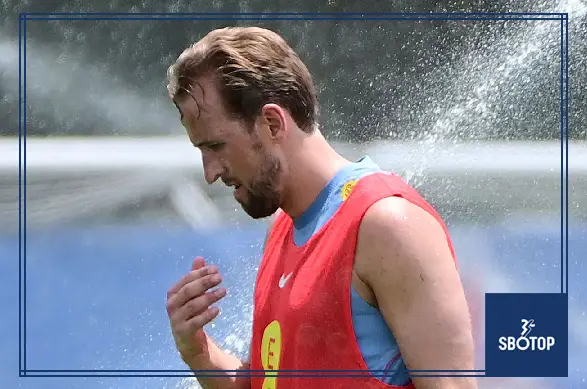
For nearly a decade, Harry Kane has been the focal point of England’s attack. Whether in qualification campaigns, European Championships, or World Cups, the captain has consistently carried enormous responsibility on his shoulders. His goals, leadership, and ability to influence matches have made him one of the most important figures in modern English football.
As England prepare for the 2026 World Cup in the United States, Canada, and Mexico, however, a different conversation is beginning to emerge. Rather than asking how many minutes Kane can play, analysts and supporters are increasingly discussing whether playing fewer minutes might actually help him make a greater impact.
At first glance, the idea may seem surprising. Elite players are often expected to remain on the pitch as long as possible. Yet modern tournament football has evolved significantly. Squad depth, physical management, recovery science, and tactical flexibility have become essential components of success.
For England, carefully managing Kane’s workload could prove to be one of the smartest decisions of the tournament.
Harry Kane’s Importance to England
Before discussing reduced playing time, it is important to understand Harry Kane’s significance to the national team.
Few players in England’s history have matched his consistency in front of goal. Year after year, he has delivered goals at club and international level, becoming one of the most reliable strikers in world football.
Beyond scoring, Kane contributes in several other ways.
He links midfield and attack.
He creates opportunities for teammates.
He provides leadership during difficult moments.
He serves as a calming influence when pressure intensifies.
His understanding of the game allows him to impact matches even when he is not scoring.
Because of these qualities, Kane remains central to England’s ambitions.
The question is not whether he should play.
The question is how England can maximize his effectiveness throughout an entire tournament.
The Demands of a Modern World Cup
World Cups have always been physically demanding, but the modern game places even greater stress on players.
Elite footballers now cover more ground than previous generations.
The speed of transitions has increased.
Pressing systems require constant movement.
Recovery periods between matches can be limited.
Additionally, the 2026 tournament presents unique environmental challenges.
Matches will be played across multiple countries and climate conditions. Travel demands, varying temperatures, and different altitudes could affect player performance and recovery.
Managing workloads will therefore become a critical aspect of tournament planning.
England’s coaching staff must ensure that key players remain physically fresh for the most important matches.
Kane is undoubtedly among those players.
Preserving Energy for Crucial Moments
One of the strongest arguments for reducing Kane’s minutes involves energy conservation.
Tournament football is often decided in knockout rounds rather than group-stage matches.
The latter stages require players to perform at their highest level against elite opposition.
If Kane enters those decisive matches fresher and more energetic, England could benefit significantly.
Rather than asking him to play every minute of every game, strategic rotation could preserve his physical condition.
Freshness can influence several aspects of performance:
- Sprinting ability
- Finishing accuracy
- Decision-making speed
- Defensive contribution
- Recovery between matches
Even small improvements in these areas can make a major difference during a World Cup.
England’s Growing Attacking Depth
One reason reduced minutes for Kane is now a realistic possibility is England’s increasing squad depth.
Previous generations often lacked reliable alternatives to their star striker. As a result, key players were expected to shoulder nearly every responsibility.
Today, England possess a broader range of attacking options.
The national team has developed several forwards capable of contributing goals and creativity. This depth allows managers greater flexibility when making selection and substitution decisions.
Rather than relying entirely on Kane from the first minute to the last, England can distribute attacking responsibilities more effectively.
This does not diminish Kane’s importance.
Instead, it strengthens the team by ensuring he remains in optimal condition.
Learning from Other Successful Teams
Modern international football offers numerous examples of teams successfully managing star players.
Several championship-winning nations have carefully monitored the workloads of their most influential figures.
Rather than viewing substitutions as signs of weakness, successful teams increasingly treat them as strategic tools.
Fresh players often decide matches.
Late goals frequently come from substitutes.
Tactical flexibility becomes easier when managers trust their squad depth.
England can apply similar principles.
Using Kane selectively in certain situations may increase his overall influence across the tournament.
The Physical Reality of Elite Football
Even the world’s best players are not immune to fatigue.
Football has become faster, more intense, and more physically demanding with each passing year.
Strikers face unique challenges.
They must press defenders.
They make repeated high-intensity runs.
They battle physically with center-backs.
They remain mentally focused despite long periods without possession.
These demands accumulate over time.
Reducing Kane’s workload during selected matches could help preserve the qualities that make him so effective.
Fresh legs often translate into sharper movement and quicker reactions in critical moments.
The Evolution of Kane’s Playing Style
As players mature, their roles often evolve.
Kane has already demonstrated an ability to adapt his game.
While he remains a prolific goal scorer, he has increasingly embraced responsibilities beyond traditional center-forward duties.
He drops deeper to link play.
He creates chances for teammates.
He influences possession phases.
This evolution has made him even more valuable.
However, it also means he covers significant ground during matches.
Managing his minutes could help ensure that when he is on the pitch, he can perform these responsibilities at the highest possible level.
Tactical Flexibility for England
Reducing Kane’s minutes is not solely about fitness.
It is also about tactical flexibility.
Different opponents require different approaches.
Some matches may demand physical presence.
Others may require greater pace and movement in attacking areas.
Having the option to introduce Kane at specific moments can create new tactical possibilities.
For example:
- Starting him against certain opponents
- Resting him during lower-risk fixtures
- Introducing him as a second-half substitute
- Rotating based on recovery needs
These options provide England with greater adaptability throughout the tournament.
The Value of Impact Players
Football increasingly recognizes the importance of impact players.
Not every game is won by those who start.
Many are decided by those who enter at the right moment.
A fresh Harry Kane entering a match against tired defenders could be a particularly dangerous scenario.
His intelligence, finishing ability, and positional awareness would become even more difficult to contain.
Opponents who have already spent an hour defending high-tempo attacks may struggle to cope with his arrival.
This possibility highlights why reduced minutes do not necessarily mean reduced influence.
In fact, the opposite may be true.
Psychological Benefits of Rotation
Managing playing time can also provide psychological benefits.
Players often perform better when they feel physically refreshed and mentally prepared.
A carefully planned rotation strategy can reduce stress and prevent burnout during a long tournament.
For Kane, knowing that his workload is being managed strategically could help maintain focus and confidence.
The objective is not to limit his involvement.
The objective is to ensure that he remains at his best when England need him most.
Leadership Beyond Playing Time
One reason some supporters hesitate to consider reduced minutes is Kane’s leadership role.
As captain, he provides guidance both on and off the pitch.
However, leadership is not limited to playing every minute.
Experienced players influence squads in many ways:
- Team meetings
- Training sessions
- Match preparation
- Communication with younger players
- Maintaining standards within the group
Even if Kane occasionally spends time on the bench, his leadership value remains substantial.
His presence within the squad extends far beyond match participation.
Avoiding Injury Risks
Another important factor is injury prevention.
Major tournaments place enormous strain on players.
Muscle fatigue increases injury risk.
Recovery becomes more challenging as matches accumulate.
Reducing unnecessary workloads can help minimize these dangers.
England’s medical and performance staff will undoubtedly monitor player conditions closely.
If strategic rest helps keep Kane healthy throughout the tournament, the long-term benefits could outweigh any short-term sacrifices.
Availability is often one of the most important qualities during major competitions.
Group Stage Management
The group stage may provide ideal opportunities for rotation.
Depending on results, England could find themselves in a position where certain matches carry less immediate pressure.
In such scenarios, reducing Kane’s minutes becomes a logical option.
Doing so could:
- Improve recovery
- Reduce physical stress
- Provide opportunities for other attackers
- Preserve energy for knockout rounds
Tournament-winning teams often think several matches ahead.
England may need to adopt a similarly strategic mindset.
The Knockout Stage Priority
Ultimately, World Cups are remembered for knockout-stage performances.
Group-stage success is important, but trophies are won in elimination matches.
England’s primary objective should be ensuring that key players are prepared for those moments.
A fresher Kane in a quarter-final, semi-final, or final could have a greater impact than a fatigued Kane who has played every available minute.
This perspective shifts the focus from quantity to quality.
The goal is not maximizing playing time.
The goal is maximizing influence.
Lessons from Recent Tournaments
Recent international tournaments have demonstrated the value of squad management.
Several successful teams have used rotation effectively.
Managers increasingly recognize that modern football requires contributions from entire squads rather than relying solely on a small group of stars.
England now possess the depth necessary to adopt a similar approach.
This evolution gives the coaching staff more options than previous generations enjoyed.
Also Read: