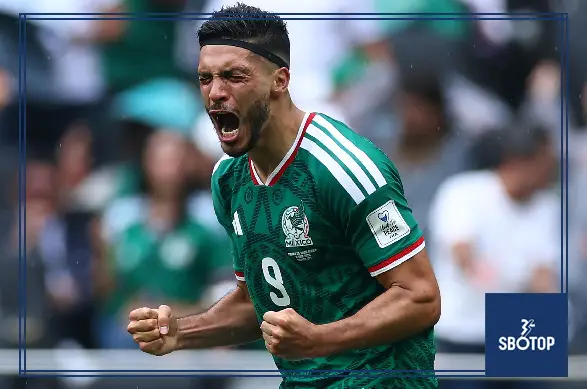
Mexico opened their World Cup 2026 campaign with a hard-fought 2-0 victory over South Africa in a match defined by intensity, controversy, and disciplinary chaos, as three red cards dramatically shaped the flow of the game.
Goals from Julián Quiñones and Raúl Jiménez secured all three points for the co-hosts, but the match will be remembered just as much for its fiery atmosphere and the series of dismissals that left both teams battling through emotional and tactical disruption.
It was a World Cup opener that had everything—early nerves, physical battles, tactical adjustments, and a second half that turned into a test of discipline as much as football quality.
A Nervy Start in a High-Pressure Opener
Opening matches in a World Cup carry a unique weight, and both Mexico and South Africa began cautiously, aware that mistakes at this stage can define group-stage futures.
Mexico, playing in front of a passionate home crowd, attempted to control possession early. Their approach focused on building from the back, circulating the ball through midfield, and stretching South Africa’s defensive shape.
South Africa, meanwhile, set up compactly, aiming to absorb pressure and break quickly on the counterattack. Their structure was disciplined in the opening stages, making it difficult for Mexico to create clear chances.
Despite Mexico’s territorial advantage, the first moments of the match were marked more by tension than attacking rhythm. Every tackle was contested with intensity, hinting at the drama that would later unfold.
Mexico Slowly Take Control
As the first half progressed, Mexico began to assert more dominance in possession. Their midfield trio started finding pockets of space, allowing them to progress the ball into attacking areas more effectively.
South Africa’s defensive block remained organized, but cracks began to appear as Mexico increased the tempo.
Wide players stretched the pitch, creating openings between the lines. Crosses and diagonal passes began to test South Africa’s backline, forcing them deeper into their own half.
The pressure gradually built, and it became increasingly clear that Mexico were edging closer to breaking the deadlock.
Quiñones Breaks the Deadlock
The breakthrough came through Julián Quiñones, who finished off a well-constructed attacking move to give Mexico a deserved lead.
The goal was the result of sustained pressure and patient build-up play. Mexico worked the ball into advanced positions, drawing South Africa’s defenders out of shape before finding space in the final third.
Quiñones showed composure in the decisive moment, finishing clinically to send the home crowd into celebration.
At 1-0, Mexico gained confidence and control. South Africa were forced to adjust, pushing slightly higher up the pitch in search of an equalizer, but that shift created new spaces for Mexico to exploit.
South Africa Respond With Physical Intensity
After falling behind, South Africa increased their physical presence in midfield. Their approach became more aggressive, aiming to disrupt Mexico’s rhythm and force turnovers.
While this added energy to their performance, it also increased the match’s tension. Fouls became more frequent, and challenges grew sharper.
The referee was increasingly involved, attempting to maintain control as the game began to edge toward confrontation rather than fluid football.
South Africa did manage to create a few counterattacking moments, but Mexico’s defensive organization remained solid enough to prevent serious danger before halftime.
The first half ended with Mexico leading 1-0, but the atmosphere suggested the match was far from settled.
Second Half Turns Into Disciplinary Chaos
The second half began with heightened intensity from both sides. However, the match quickly escalated beyond tactical battles into a contest shaped heavily by discipline and emotional control.
A series of aggressive challenges led to the first red card, changing the balance of the game significantly.
From that moment, space opened up across the pitch, but so did frustration. Players from both sides began reacting emotionally, and the referee was forced into a series of difficult decisions.
The match lost its rhythm, becoming fragmented by stoppages, confrontations, and tactical reshuffles.
Jiménez Doubles Mexico’s Lead
Despite the chaotic environment, Mexico managed to stay focused on football and extended their advantage through Raúl Jiménez.
The second goal came at a crucial moment, giving Mexico breathing space in a match that was becoming increasingly unpredictable.
Jiménez’s finish reflected his experience and composure. While many players struggled with the intensity and pressure of the situation, he maintained clarity in front of goal.
At 2-0, Mexico appeared to have one foot firmly in control of the match. However, the game was still far from over in terms of drama.
Three Red Cards Define the Match
The most defining feature of the encounter was the issuing of three red cards, which completely reshaped the tactical and emotional landscape of the match.
Each dismissal contributed to a growing sense of chaos. Both teams were forced to adjust formations, rethink strategies, and cope with reduced numbers on the pitch.
The red cards did not just influence the scoreline—they changed the entire nature of the contest.
Space became more open, but organization became harder to maintain. Players were required to cover more ground, and mistakes became more likely under fatigue and pressure.
The referee’s decisions became central to the narrative, as both sides expressed frustration at different moments during the second half.
Mexico Show Tactical Discipline Amid Chaos
One of the most impressive aspects of Mexico’s performance was their ability to maintain structure despite the chaotic conditions.
Rather than becoming distracted by the disciplinary issues, Mexico focused on controlling possession and managing the game.
Their defensive shape remained compact, and they avoided unnecessary risks in possession.
The coaching staff instructed the team to slow the tempo when necessary, ensuring that South Africa were not given opportunities to exploit transitional moments.
This level of game management proved crucial in securing the victory.
South Africa Struggle to Recover
For South Africa, the combination of going behind and losing players to red cards made recovery extremely difficult.
Their initial defensive discipline was disrupted, and their attacking structure became fragmented as the match progressed.
Even when they attempted to push forward, Mexico’s organization prevented meaningful breakthroughs.
Frustration grew as the game continued, and the emotional toll of the situation became increasingly visible among the players.
Despite their efforts, South Africa were unable to find a response to Mexico’s two goals.
Tactical Breakdown of the Match
From a tactical perspective, the match evolved through three distinct phases:
- Controlled Opening Phase – Mexico dominated possession but struggled to break down South Africa’s compact defense.
- Momentum Shift After First Goal – Mexico gained confidence and began controlling space more effectively.
- Chaotic Second Half – Red cards and emotional intensity disrupted structure, turning the match into a fragmented contest.
Mexico adapted better to all three phases, which ultimately determined the outcome.
What the Result Means for Mexico
This victory provides Mexico with a strong start to their World Cup campaign. Winning the opening match is often crucial in group-stage progression, and doing so under pressure adds psychological strength.
Beyond the result, Mexico demonstrated:
- Tactical discipline under pressure
- Ability to manage chaotic match conditions
- Clinical finishing in key moments
- Defensive organization throughout adversity
While the performance was not perfect, the outcome is what matters most in tournament football.
Lessons for South Africa
For South Africa, the match will be a difficult but important learning experience.
Key takeaways include:
- Need for better emotional control in high-pressure matches
- Importance of discipline to avoid costly red cards
- Challenges of maintaining structure when reduced in numbers
- Missed opportunities to capitalize on momentum shifts
Despite the defeat, South Africa showed moments of competitiveness, particularly before the match became disrupted by disciplinary issues.
Also Read: