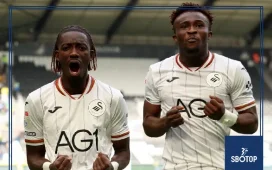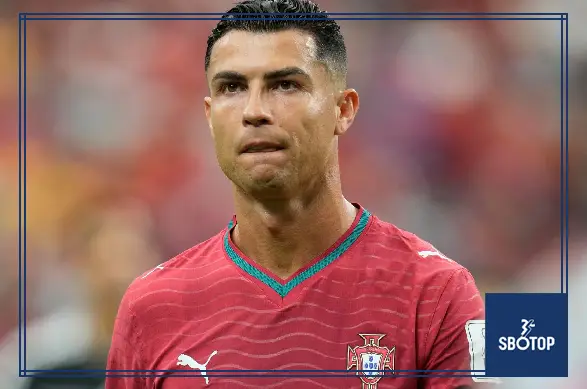
Portugal’s opening match of the World Cup 2026 delivered an unexpected twist as DR Congo produced a disciplined and energetic performance to hold Roberto Martínez’s side to a 1-1 draw. What was expected to be a comfortable start for Portugal instead turned into a frustrating evening, marked by early pressure from DR Congo and a lack of sharpness from one of Europe’s strongest squads.
Cristiano Ronaldo, leading the line for Portugal, endured a difficult night as chances came and went without the clinical finishing fans have come to expect. Meanwhile, DR Congo embraced the spotlight, showing courage, structure, and resilience to earn a valuable point in one of the tournament’s most surprising opening results.
DR Congo Strike Early to Stun Portugal
From the first whistle, DR Congo played without fear. Instead of sitting deep and absorbing pressure, they pressed Portugal aggressively in midfield and forced errors in the build-up.
That approach paid off quickly.
Within the opening stages, DR Congo launched a fast transition after intercepting a loose pass in midfield. The attack moved with speed and precision, catching Portugal’s defensive line slightly unbalanced. A well-timed pass into the box was finished calmly, sending DR Congo supporters into celebration and silencing the Portuguese end of the stadium.
The goal changed the entire rhythm of the match. Portugal, expected to control possession comfortably, suddenly found themselves chasing the game far earlier than anticipated.
Portugal’s Shock Response
After conceding, Portugal immediately increased their intensity. Martínez’s side pushed higher up the pitch, with full-backs advancing aggressively and midfielders attempting to control possession.
The team began to dominate the ball, but DR Congo’s compact defensive structure made it difficult to break through centrally. Passing lanes were blocked, and Portugal were forced wide more often than they would have liked.
Despite their dominance in possession, Portugal struggled to create clear chances in the opening half-hour. The early shock had clearly disrupted their rhythm.
Ronaldo, operating as the focal point of attack, found himself tightly marked and starved of quality service during the early stages.
DR Congo’s Tactical Discipline Impresses
One of the most impressive aspects of DR Congo’s performance was their tactical discipline. Rather than being overwhelmed by Portugal’s technical superiority, they maintained structure across all lines.
The midfield worked tirelessly to close down space, while the defensive line remained compact and alert. Whenever Portugal attempted to play between the lines, DR Congo reacted quickly to cut out danger.
Their counter-attacking threat also remained constant. Every time Portugal committed too many players forward, DR Congo looked dangerous breaking into space.
This balance between defensive organization and attacking ambition made them a difficult opponent throughout the match.
Ronaldo’s Frustrating Night
Cristiano Ronaldo entered the match with the expectation of leading Portugal to a strong start. However, DR Congo’s defensive approach limited his influence significantly.
Throughout the first half, Ronaldo found few opportunities inside the penalty area. Crosses were either intercepted or cleared, and through balls rarely reached him in dangerous positions.
He attempted to drop deeper at times to get involved in buildup play, but DR Congo’s midfield pressure made even that role challenging.
When chances eventually came, they were either rushed or blocked by defenders who stayed close and physically strong.
For a player known for delivering on the biggest stage, this was a rare evening of frustration.
Portugal Find Their Equaliser
Despite their difficulties, Portugal’s quality eventually showed.
Midway through the match, sustained pressure finally broke DR Congo’s defensive resistance. A well-worked attacking move involving quick passing on the edge of the box created space for a composed finish.
The equaliser brought relief to Portugal and restored balance to the game.
After scoring, Martínez’s team looked more confident, circulating the ball with greater fluidity and trying to stretch DR Congo’s defensive shape.
However, even after the goal, they were unable to fully take control in a way many expected before kickoff.
DR Congo Refuse to Back Down
Unlike many teams that might retreat after conceding, DR Congo maintained their attacking intent.
They continued to press when possible and looked for openings in transition. Their forwards made intelligent runs behind Portugal’s defensive line, forcing the back four to remain alert.
One of their counter-attacks in the second half nearly restored their lead, as a rapid break created a one-on-one situation that was narrowly missed.
This moment served as a reminder that DR Congo were not in the match simply to defend—they were competing to win.
Martínez Faces Tactical Questions
For Roberto Martínez, the draw raises early questions about Portugal’s tactical execution in tournament conditions.
While possession statistics likely favored Portugal heavily, possession alone did not translate into dominance in terms of chances created.
The spacing between midfield and attack appeared inconsistent at times, making it difficult to connect effectively with forward players like Ronaldo.
Additionally, DR Congo’s compact defensive block exposed Portugal’s lack of penetration through central areas, forcing them into wide positions that were easier to defend against.
Martínez will likely need to reassess how his side breaks down organized defensive teams in future matches.
Midfield Battle Shapes the Game
The midfield battle played a crucial role in shaping the outcome.
DR Congo’s midfielders worked tirelessly, combining defensive awareness with quick transitions. Their ability to disrupt Portugal’s rhythm prevented the European side from building sustained pressure.
Portugal, on the other hand, controlled possession but struggled to accelerate the game in dangerous areas. Their passing was often safe rather than incisive.
This contrast between control and effectiveness became one of the defining tactical themes of the match.
Defensive Strength Keeps DR Congo Alive
As the match progressed, DR Congo’s defensive resilience became even more important.
Portugal increased pressure in search of a winning goal, but DR Congo remained organized under sustained attacks.
Clearances, blocks, and disciplined positioning helped them survive several dangerous moments late in the match.
Their goalkeeper also played a crucial role, making key saves that preserved the draw and ensured DR Congo left the pitch with a valuable point.
A Statement Performance from DR Congo
For DR Congo, this result will feel like more than just a draw—it is a statement.
Against one of the tournament favorites, they showed that discipline, belief, and structure can compete with elite technical quality.
Their performance will likely earn praise not only from their own supporters but also from neutral observers impressed by their tactical maturity.
Earning a point against Portugal in a World Cup opener could prove crucial in the context of group standings.
Portugal Left with Work to Do
For Portugal, the result is a warning sign. While they remain strong contenders, the match highlighted areas that require improvement.
Breaking down compact defenses, improving attacking speed, and increasing efficiency in the final third will all be key focus points moving forward.
The draw does not eliminate their chances, but it does remove the comfort of an easy group-stage start.
Also Read: