Egypt delivered one of their most emotional performances at the FIFA World Cup 2026 after coming from behind to defeat New Zealand 3-1 in a dramatic Group G encounter. Played at BC Place in Vancouver, Canada, on Monday (June 22, 2026), the victory not only strengthened Egypt’s qualification hopes but also showcased the leadership of Mohamed Salah on the global stage.
What made this win even more special was the way it unfolded. Egypt struggled for large parts of the first half, found themselves trailing, and looked under pressure—before producing a fearless second-half comeback that changed everything.
Egypt Struggle Early as New Zealand Take Control
The match began with high intensity from both sides, but it was New Zealand who settled quicker and executed their game plan more effectively. Egypt, on the other hand, looked disorganized in midfield and struggled to build rhythm in possession.
The breakthrough came in the 15th minute when Finn Surman capitalized on defensive hesitation to give New Zealand a deserved lead. From that moment until halftime, Egypt were forced into survival mode.
Key first-half issues for Egypt included:
- Loss of control in midfield battles
- Slow transitions from defense to attack
- Limited chances created in the final third
- Difficulty handling New Zealand’s pressing style
At halftime, Egypt entered the dressing room trailing 1-0 and under significant pressure to respond.
Mohamed Salah Sparks Egypt’s Second-Half Revival
Whatever was said in the dressing room clearly worked. Egypt returned to the pitch with renewed intensity, sharper passing, and a much more aggressive attacking mindset.
The turning point arrived in the 58th minute when Mostafa Ziko scored the equalizer, igniting belief among players and fans alike. From that moment, the momentum completely shifted.
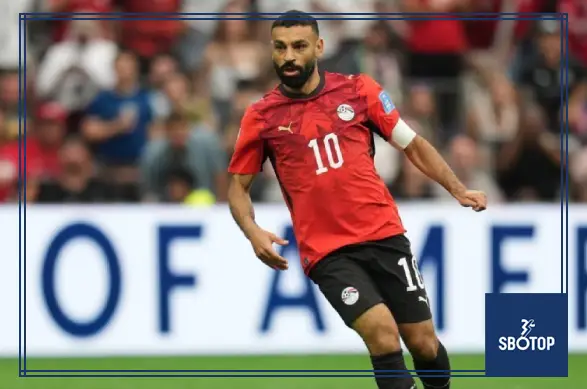
Just nine minutes later, Mohamed Salah stepped up as he so often does, scoring the second goal to turn the game on its head. His composure and instinct in front of goal reminded everyone why he remains Egypt’s most influential figure.
The comeback was sealed in the 82nd minute when Trezeguet added a third goal, confirming a memorable 3-1 victory for The Pharaohs.
Salah Emotional After Historic Win
After the final whistle, Mohamed Salah struggled to put his emotions into words. The Egyptian captain admitted that the victory meant far more than just three points in the group stage.
“This is incredible. I don’t know how to express it in words,” Salah said, reflecting on the magnitude of the result, according to FIFA’s official coverage.
His reaction highlighted not only relief but also pride in how the team responded under pressure. Egypt had been tested mentally and tactically—and they responded like a team determined to make history.
Egypt Show Strong Mentality to Flip the Game
Beyond individual brilliance, Egypt’s comeback was built on collective belief and mental strength. The team showed resilience after conceding first and refused to let frustration dictate their performance.
This victory is significant because it reflects a deeper transformation within the squad. Egypt are no longer just relying on individual moments—they are building a stronger team identity.
Key factors behind Egypt’s comeback:
- Improved intensity after halftime
- Better midfield control and passing speed
- More aggressive pressing in attacking zones
- Stronger finishing in front of goal
- Leadership from senior players like Salah
Even though Egypt scored three goals, they could have added more if their finishing had been more clinical. Still, the performance marked a clear step forward.
Mohamed Salah’s Leadership Driving Egypt’s World Cup Dream
Mohamed Salah continues to be the heartbeat of Egypt’s national team. His influence goes beyond goals and assists—he sets the emotional tone for the squad.
The captain emphasized that this victory must become a foundation, not a final destination. According to him, consistency will be key if Egypt wants to make history at the World Cup.
“This is a big achievement for all the players and staff. Hopefully, we can continue like this in the group, write history, and qualify. In the coming years, this will be remembered as one of the greatest achievements in Egyptian football history,” Salah stated.
He also stressed the importance of balance—celebrating the win, but quickly shifting focus to the next challenge.
Egypt’s Road Ahead in Group G
With this victory, Egypt remain firmly in the race for a place in the knockout stage. Their performance against New Zealand has boosted confidence, but the job is far from finished.
The final group match against Iran will be decisive, and it carries huge stakes for both sides.
Upcoming fixture:
- Egypt vs Iran
- Date: Saturday, June 27, 2026
- Venue: Seattle Stadium, Seattle, USA
- Competition: FIFA World Cup 2026 – Group G
A strong result there could confirm Egypt’s progression and potentially define their entire World Cup journey.
A Night That Could Define Egypt’s Future
This 3-1 comeback is more than just a match result—it is a statement. Egypt showed resilience, tactical growth, and leadership under pressure. Most importantly, they showed belief.
For Mohamed Salah and his teammates, the dream is now very real. If they can maintain this momentum, this World Cup campaign could become one of the most memorable chapters in Egyptian football history.
ALSO READ :