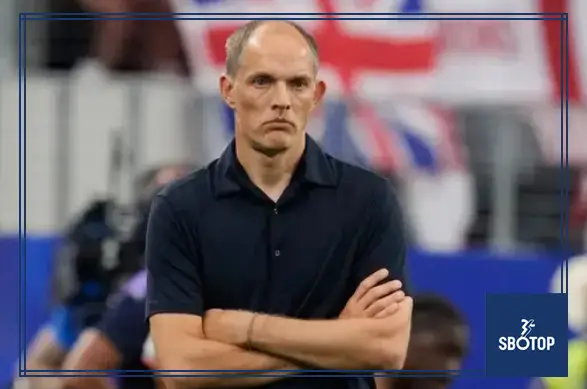
England manager Thomas Tuchelhas sparked fresh debate at the 2026 World Cup after expressing strong criticism of the tournament’s mandatory hydration breaks, arguing that they are altering the natural rhythm and identity of football.
While FIFA introduced the rule to protect players from extreme heat, Tuchel believes the implementation has gone too far and is now affecting matches even when conditions do not require it.
FIFA Hydration Break Rule Under Scrutiny at World Cup 2026
At the 2026 World Cup, FIFA has introduced a mandatory three-minute hydration break in each half of matches. The intention is to help players cope with high temperatures, especially in host cities where weather conditions can be demanding.
However, the rule has quickly become one of the most debated changes of the tournament’s early stages.
Key points of the regulation:
- Three-minute break in each half
- Applied to all matches, regardless of conditions
- Designed to protect player health in hot climates
- Intended as a universal fairness measure
Despite these intentions, criticism has grown from coaches, players, and fans who feel the rule disrupts the flow of the game.
Thomas Tuchel Says Breaks Change Football’s Identity
Speaking ahead of England’s match against Ghana in Boston, Tuchel did not hide his frustration with the new system. While he admitted the breaks can offer tactical advantages, he believes they come at a cost.
Tuchel explained:
“I think it is disruptive and changes the identity of football more than I expected.”
He added that while hydration breaks can be useful in extreme heat, their current application feels excessive compared to previous tournaments.
According to Tuchel, football is being reshaped into a game with unnatural pauses.
“Matches Feel Like They Are Split Into Four Parts”
One of Tuchel’s strongest criticisms focused on how the breaks affect momentum. In his view, football is no longer a continuous flow but a segmented contest.
He said the structure of matches has fundamentally changed:
- First half becomes two mini-games
- Second half repeats the same pattern
- Momentum is repeatedly interrupted
- Tactical rhythm becomes harder to maintain
Tuchel emphasized that building momentum is one of the most important and difficult aspects of football—and the breaks disrupt that process.
Coaching Advantage vs Game Flow Debate
Interestingly, Tuchel also acknowledged that hydration breaks can benefit managers tactically. Coaches are given a rare opportunity to communicate directly with players during live matches.
From a coaching perspective, the advantages include:
- Direct tactical instructions during pressure moments
- Opportunity to reset defensive or attacking structure
- Better control of player positioning
- Chance to adjust game plan without substitutions
However, Tuchel insisted that even with these benefits, the overall impact is negative.
“I like it as a coach because I can influence the team,” he admitted, “but I prefer football without interruptions.”
Weather Conditions Raise Questions About Necessity
The upcoming England vs Ghana match in Boston is expected to be played under heavy rain, not extreme heat. This has raised further questions about whether hydration breaks are necessary in every situation.
Despite the weather, FIFA’s rules mean the breaks will still be enforced.
Tuchel acknowledged this contradiction but remained pragmatic:
- Breaks will still be used regardless of rain
- Tactical plans are already prepared
- Flexibility remains key for England
- Coaches must adapt to regulations
The situation highlights ongoing debate about whether a universal rule is the best approach for such a diverse global tournament.
“Football Is About Momentum” – Tuchel’s Core Argument
At the heart of Tuchel’s criticism is his belief that football is defined by rhythm, flow, and momentum. According to him, the game’s beauty comes from continuous action and the struggle to maintain control over long periods.
He explained:
“Matches build momentum, and that is part of the game. Keeping it is difficult, and losing it is also part of the battle.”
Tuchel believes hydration breaks interrupt this natural dynamic, reducing the intensity and emotional buildup that defines high-level football.
He also warned that some of the sport’s unique characteristics may be slowly disappearing.
England Still Adapting to Tournament Conditions
Despite his criticism, Tuchel confirmed that England will fully adapt to the rules in place. The coaching staff has already prepared strategies to use hydration breaks effectively when they occur.
However, Tuchel stressed that England will not rely heavily on them as a tactical tool.
His approach includes:
- Using breaks only when necessary
- Maintaining natural game rhythm where possible
- Relying on in-game communication before interruptions
- Adjusting based on match flow rather than pre-planned scripts
Conclusion: A Debate That Goes Beyond One Rule
Thomas Tuchel’s comments have reignited a wider debate about modern football and how far the sport should go in adapting to environmental and commercial demands.
While hydration breaks were introduced for player safety, critics argue they may be changing the essence of the game itself.
Tuchel’s stance is clear: safety measures are important, but football must preserve its identity as a continuous, momentum-driven sport.
As the 2026 World Cup continues, this debate is likely to grow louder—especially as more coaches and players experience the impact firsthand.
ALSO READ :
- SBOTOP: Scotland Face Qualification Headache as Steve Clarke Prepares for High-Stakes World Cup Clash with Brazil
- SBOTOP : Messi Goes Berserk With 5 Goals as Argentina Star Sends Shock Message to Rivals
- SBOTOP : Declan Rice Breaks Silence Who He Calls the Most Important Player at World Cup 2026