World Cup knockout matches are usually shaped by tactics, injuries, pressure and moments of individual brilliance. Yet England’s dramatic meeting with Mexico carried another layer before a ball had even been kicked. Behind the scenes, a scheduling debate involving FIFA, the Football Association and the UK Government created an unexpected political subplot. At the centre of it was Prime Minister Sir Keir Starmer, whose intervention reportedly helped prevent the match from being moved to an earlier kick-off time. According to multiple reports, the concern was that changing the schedule could have reduced England’s preparation window and handed co-hosts Mexico a possible competitive advantage.
Why the Kick-Off Time Became So Important
On paper, a few hours may not look like much. In a World Cup knockout match, however, even small details can become decisive. England were preparing to face Mexico at the Estadio Azteca, one of football’s most iconic and demanding venues. The match already carried natural challenges: a hostile home crowd, intense expectation and the physical demand of playing in Mexico City’s altitude. When the possibility emerged that FIFA could bring the kick-off forward, it raised immediate concerns within English football circles. The issue was not simply convenience for television audiences. It was about preparation, recovery and sporting fairness.
The Original Plan and the Proposed Change
The match was originally set for 1am UK time, equivalent to 6pm local time in Mexico City. Reports then suggested the game could be moved forward to 7pm UK time on Sunday evening. That proposed shift would have changed the rhythm of England’s final preparations and potentially shortened the period available for the squad to adapt to local conditions. The Independent reported that the match looked set to be brought forward before the decision was reversed after anger from both the English and Mexican football associations.
How the FA Alerted Downing Street
The Football Association reportedly became worried about the implications of the proposed change and raised the matter with Downing Street. That step turned a football scheduling dispute into a diplomatic issue. According to reports, Sir Keir directed officials to push back against the idea through diplomatic channels after being alerted to the potential problem. This was not framed as a routine sporting complaint. It was treated as a matter of fairness for the England team at a crucial stage of the tournament.
Starmer’s Reported Intervention
Sir Keir’s role was significant because it showed the UK Government was willing to act when it believed England might be placed at a disadvantage. The Guardian reported that Starmer intervened through diplomatic channels to oppose FIFA’s plan to bring the match forward, amid concerns that the change would benefit Mexico. The prime minister later referred to the issue at a Downing Street reception, saying, “We had to battle with the FA to get it back to where it was.” That comment gave a rare glimpse into how seriously the matter was treated at government level.
A Question of Sporting Fairness
The central argument against moving the kick-off was simple: England should not be forced into a late schedule change that could affect preparation for a knockout fixture. World Cup matches are meant to be decided by football, not by avoidable logistical disruption. Mexico already had the benefit of familiarity with the venue, the environment and the crowd. England, by contrast, needed every available hour to manage the demands of altitude and recovery. From that perspective, keeping the original kick-off was not merely about tradition or stubbornness. It was about ensuring both teams competed on the fairest possible terms.
Why Altitude Matters in Football
Playing at altitude can affect breathing, stamina and recovery. Teams unfamiliar with such conditions often need time to adjust, particularly when the match carries high intensity and emotional pressure. England’s medical, fitness and coaching staff would have built their schedule around the original kick-off. Training loads, meals, sleep patterns, travel timing and tactical meetings are all carefully planned during major tournaments. A sudden change can disrupt that structure. Even if the difference is only a matter of hours, at elite level those hours can matter.
FIFA’s Difficult Position
FIFA’s scheduling responsibilities are complex. The governing body must balance player welfare, broadcast commitments, local weather conditions, stadium operations and security. In this case, concerns around storms and lightning reportedly played a role in the wider discussion. FIFA had to consider whether moving the fixture could reduce the risk of disruption. However, any such change also carried competitive consequences. That is where the controversy developed. If one team appeared to benefit more from a revised kick-off than the other, the decision risked creating unnecessary suspicion before one of the tournament’s biggest matches.
Mexico’s Home Advantage Debate
Mexico’s role as co-host naturally added sensitivity to the discussion. Facing a host nation in a World Cup is never straightforward. The atmosphere is louder, the emotional stakes are higher and the local conditions are more familiar to the home side. England knew they were walking into a difficult environment. The fear was that an earlier kick-off would amplify that advantage by cutting into England’s acclimatisation time. Whether that was the intention or not, the perception mattered. In tournament football, perception can become part of the psychological battle.
England’s Preparation Protected
By keeping the kick-off unchanged, England were able to continue with their planned preparation. That may not have guaranteed performance, but it preserved a sense of control. Coaches want predictability before knockout matches. Players want clarity. Medical teams want stable routines. When the schedule remains fixed, the squad can focus on the opponent rather than the politics surrounding the fixture. Starmer’s reported intervention therefore had value beyond the clock. It helped protect England’s environment from disruption at a decisive moment.
The Match Still Faced a Delay
Ironically, even after the kick-off time remained unchanged, the match did not begin exactly as planned. The Guardian reported that the game was eventually delayed by an hour after the stadium activated its thunderstorm protocol because of the threat of lightning. That meant the match kicked off at 2am UK time rather than 1am. Still, the important difference was that this delay came from immediate safety concerns rather than a pre-match decision to bring the game forward.
England’s Dramatic Victory
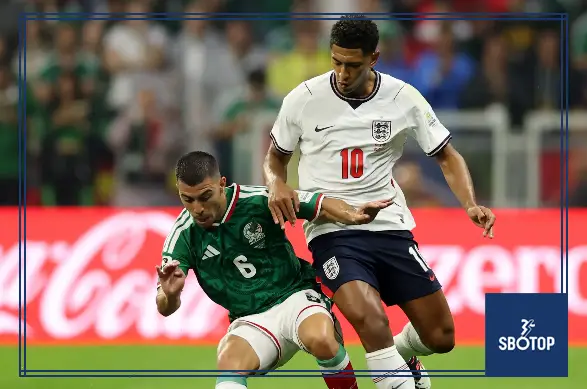
Once the match began, the drama fully justified the build-up. England defeated Mexico 3-2 in a tense last-16 contest, overcoming the crowd, the conditions and a second-half red card for Jarell Quansah. Jude Bellingham scored twice, while Harry Kane converted a penalty as England survived a fierce challenge from the co-hosts. The result sent England into the quarter-finals against Norway and added another memorable chapter to their World Cup campaign.
A Political Intervention That Paid Off
It is impossible to say exactly how much impact the unchanged kick-off had on the result. Football is too complex for one scheduling decision to explain a 90-minute contest. Still, the outcome strengthened the argument that England had been right to defend their preparation window. Had the game been moved and England lost, the issue would likely have become a major controversy. Instead, the story became one of a government intervention that helped preserve competitive fairness before a famous victory.
The Wider Role of Government in Sport
Starmer’s involvement also raises an interesting question: when should political leaders step into sporting matters? Governments usually avoid appearing to interfere in football decisions. Sport depends on independence, and FIFA in particular guards its authority. Yet World Cups are not ordinary events. They carry diplomatic, cultural and economic significance. When a national team is involved on the global stage, political leaders often become part of the wider story. In this case, Starmer’s reported action was not about team selection or refereeing. It was about schedule fairness and player preparation.
A Contrast With Other Political Football Stories
The timing of Starmer’s intervention was notable because the same World Cup period also saw wider debate about political influence in football. Reports around other fixtures brought questions about how governments, leaders and football bodies interact during major tournaments. Against that backdrop, Starmer’s role could be viewed in two ways. Supporters may see it as a legitimate defence of England’s interests. Critics may argue that football authorities should not face political pressure. The key distinction is that this case involved a scheduling issue rather than a disciplinary or on-field decision.
Fans Stayed Up Anyway
One of the more remarkable parts of the story is that the late kick-off did not stop fans from watching. England’s win over Mexico attracted a peak live audience of 9.1 million on BBC One and BBC iPlayer despite the 2am start, according to the BBC figures reported by The Guardian. The match also helped produce record digital traffic for BBC platforms. That response showed how powerful England’s World Cup pull remains, even when the schedule is deeply inconvenient for supporters back home.
Pubs, Public Mood and National Attention
Starmer’s involvement in England’s World Cup campaign was not limited to the kick-off dispute. Reports also noted that the government had passed emergency legislation allowing pubs in England and Wales to remain open later for the knockout fixture. That move helped supporters watch the match socially despite the late hour. In political terms, it allowed the government to associate itself with a major national sporting moment. In cultural terms, it reflected how England matches can briefly reshape ordinary life across the country.
The Importance of Small Margins
World Cup knockout football is decided by small margins. A tired run, a delayed reaction, a mistimed challenge or a moment of lost concentration can change everything. That is why teams fight so hard to control preparation. England’s resistance to the proposed kick-off change was not excessive; it was consistent with how elite sport works. Every hour of rest, recovery and acclimatisation matters. For a team trying to win the World Cup, protecting those details is part of the job.
Starmer’s Calculated Stand
For Starmer, the intervention carried little downside if it succeeded quietly, but it could have attracted criticism if it looked like political overreach. The fact that the match stayed in its original slot and England won gave the episode a different tone. It allowed the prime minister to appear active, supportive and aligned with the national team. At the same time, the use of diplomatic channels suggested the matter was handled with seriousness rather than public grandstanding. It was a calculated stand at a moment when timing, fairness and national interest overlapped.
What It Says About England’s Campaign
England’s World Cup run has not been shaped only by what happens on the pitch. It has also been influenced by injuries, scheduling decisions, weather delays, public expectation and political attention. The Mexico match captured all of that in one extraordinary night. England had to manage the altitude, the atmosphere, the late start and the pressure of knockout football. The fact they emerged with a 3-2 win made the preparation battle look even more important in hindsight.
FIFA Avoided a Bigger Controversy
By keeping the kick-off unchanged, FIFA also avoided a potentially damaging argument. Had the governing body forced through a change that England believed favoured Mexico, every major moment in the match would have been viewed through that lens. A Mexico victory may have led to accusations of unfair advantage. An England defeat may have sparked political anger. Even an England win might not have ended the debate. Maintaining the original schedule helped reduce that risk and kept the focus closer to football itself.
Also Read:
- SBOTOP: Jordan Henderson’s World Cup Ends in Cruel Fashion After Freak Wrist Injury Forces England Blow
- SBOTOP: Belgium Launches FIFA Challenge After RBFA Condemns Shock Folarin Balogun Red Card Ruling
- SBOTOP: Erling Haaland Transfer Rumours Cooled as Father Addresses Real Madrid Links and Mourinho Speculation