FIFA refereeing chief Pierluigi Collina has defended the controversial decision to disallow Egypt’s goal against Argentina and strongly rejected suggestions that FIFA president Gianni Infantino influences World Cup officials. His response came after Egypt’s dramatic 3-2 defeat to Argentina in the round of 16, a match that produced anger, debate, and accusations over the role of VAR and the independence of referees.
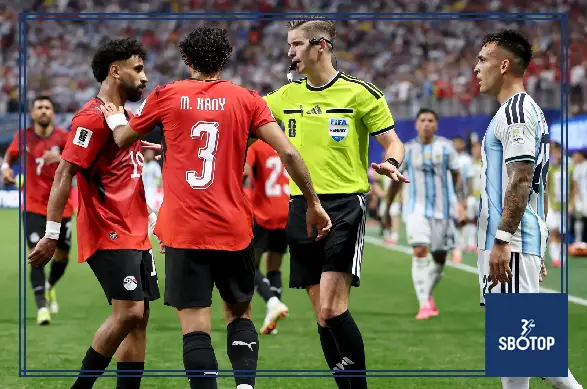
The controversy centred on a second-half goal by Mostafa Zico that would have put Egypt in a stronger position against the reigning champions. The effort was eventually ruled out after a VAR review identified a foul by Egyptian midfielder Marwan Attia on Argentina defender Lisandro Martínez during the build-up. For Egypt, it felt like a decisive turning point. For FIFA, according to Collina, the decision was correct under the laws and the VAR process was applied properly.
The incident has become one of the biggest refereeing debates of the tournament. Egypt felt wronged, Argentina survived, and football fans around the world were left arguing over whether VAR had intervened fairly or gone too far back in the attacking move. In a World Cup knockout match, those questions never remain small. They become part of the story of the tournament itself.
Collina Stands by the Officials
Pierluigi Collina is one of the most recognizable figures in refereeing history, and when he speaks about officiating, the football world listens. His defence of the decision was not casual. It was firm, detailed, and designed to protect the credibility of the officials involved.
Collina dismissed allegations of bias and said referees operate independently, without direction from FIFA leadership or any external figure. He also rejected the idea that Infantino or anyone else could pressure officials into favouring a team. That denial was important because the accusations around the Argentina-Egypt match had gone beyond normal complaints about a wrong call. Some criticism had suggested broader influence, which FIFA clearly viewed as damaging and dangerous.
For Collina, the issue was not only whether Egypt’s goal should have stood. It was also about protecting referees from public claims that could undermine their integrity. He warned that irresponsible allegations can create real-world consequences, including threats toward officials and their families.
That point matters. Football is emotional, especially at a World Cup. But when criticism turns into accusations of corruption or manipulation without evidence, the conversation becomes more serious.
Egypt’s Frustration Was Understandable
Although FIFA defended the decision, Egypt’s frustration was not difficult to understand. They were competing in a huge knockout match against Argentina, had pushed one of the tournament favourites into trouble, and believed they had scored a goal that could have changed the match.
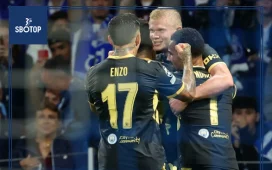
The disallowed goal by Zico came at a crucial moment. Egypt felt they had done enough to extend their advantage, only for the referee and VAR to intervene. Later, Egypt also protested over a non-call involving Mohamed Salah before Argentina went forward and scored the winner through Enzo Fernández in stoppage time.
From Egypt’s perspective, the sequence of events felt cruel. A goal was taken away, penalty appeals were rejected, and Argentina found a late winner. In the emotional aftermath of elimination, criticism was always likely to be intense.
Coach Hossam Hassan was among those who voiced anger after the match, describing the officiating as unfair and suggesting that the tournament appeared to be leaning toward Argentina.
Those comments reflected the pain of a team that believed it had been denied a historic result. But Collina’s response made clear that FIFA saw the accusations as crossing a line.
The Disallowed Goal Explained
The key question is why the goal was ruled out. The VAR review focused on Marwan Attia’s contact with Lisandro Martínez earlier in the move. The decision was that Attia had committed a foul before Egypt launched the attack that ended with Zico scoring. Because the foul was considered part of the attacking phase, VAR recommended the goal be disallowed.
This is where the debate becomes complicated. Some supporters and analysts argued that the foul occurred too far before the goal to justify VAR intervention. Others believed that if the foul directly started the attack, then VAR was within its rights to act.
That is the difficulty with modern VAR. The technology can identify incidents that the referee misses, but football fans often disagree about how far back an attacking phase should be reviewed. A foul near the penalty area seconds before a goal feels obvious to many. A foul much earlier in the move can feel less clear, especially when the attacking team travels a long distance before scoring.
Collina’s position was that the review was correct and that the foul was relevant to the goal. Many Egyptian supporters will still disagree. That tension is exactly why VAR remains one of football’s most controversial tools.
VAR and the Problem of Trust
VAR was introduced to reduce clear mistakes, but it has not removed controversy. Instead, it has changed the type of controversy. Before VAR, fans argued about what the referee missed. Now they argue about what VAR should review, how long reviews should take, whether the threshold for intervention is consistent, and whether the technology is being used equally across matches.
The Egypt-Argentina incident touches every one of those concerns. Egypt did not simply complain that a referee made a mistake in real time. They complained that the video system, which is supposed to create fairness, helped produce an unfair outcome.
That is why trust is so important. VAR works only if teams and supporters believe the process is consistent. Once people begin to think the system is selective, every decision becomes suspicious.
FIFA’s response through Collina was therefore not only about one match. It was about defending the wider officiating structure of the tournament. If FIFA allows claims of external influence to grow unchecked, every controversial decision in future matches becomes harder to manage.
The Infantino Allegation
The most sensitive part of the story involved suggestions that Gianni Infantino could influence referees or that officials might feel pressure to protect certain teams. Collina rejected that firmly. According to him, referees are independent and not influenced by FIFA’s president or anyone else.
This denial was necessary because football’s governing bodies must protect the perception of competitive fairness. The World Cup is the biggest sporting event on the planet. Its credibility depends on the belief that matches are decided by players, coaches, and laws of the game, not by political or commercial pressure.
Accusations of influence are especially powerful when Argentina are involved because of their global profile, their status as defending champions, and the presence of Lionel Messi. Whether fair or not, major teams often attract conspiracy theories when controversial decisions go their way.
Collina’s message was designed to shut down that narrative. He did not merely say the referee made a judgment call. He insisted that the officials were independent and that the idea of pressure from FIFA leadership was false.
Why Referee Independence Matters
Referee independence is one of football’s foundations. Players may disagree with decisions. Coaches may protest. Supporters may feel robbed. But the game depends on the assumption that officials are trying to apply the laws honestly.
If that assumption collapses, every match becomes vulnerable to suspicion. Every penalty, red card, disallowed goal, and VAR review becomes part of a bigger conspiracy. The sport cannot function properly in that atmosphere.
That is why Collina’s defence was so strong. He understands that criticism of decisions is normal, but accusations of manipulation are different. They do not merely challenge competence; they challenge integrity.
Referees already work under enormous pressure. At a World Cup, one decision can define a career. If officials are also accused of serving hidden agendas, their job becomes even harder and more dangerous.
Egypt’s Pain Should Not Be Ignored
Defending referees does not mean ignoring Egypt’s heartbreak. The team had produced a brave performance against Argentina and came close to one of the tournament’s biggest upsets. Their anger came from the belief that they had earned more.
Egypt’s players and fans will remember the disallowed goal, the penalty appeals, and the late winner for years. In knockout football, there is no replay, no second leg, and no chance to repair the damage. Once the final whistle goes, the tournament is over.
This emotional reality explains why reactions become so heated. Players spend their lives chasing World Cup moments. When those moments appear to be taken away by officiating decisions, the pain is enormous.
Still, emotional pain does not automatically prove bias. That is the distinction Collina wanted to establish. Egypt were entitled to be disappointed. But FIFA rejected the idea that disappointment justified accusations of unfair influence.
Argentina Survive the Storm
For Argentina, the controversy has become part of their World Cup journey. Their 3-2 win over Egypt was dramatic, difficult, and far from straightforward. They had to recover from trouble, survive pressure, and find a late winner to stay alive in the tournament.
Yet the nature of the victory means the conversation around Argentina’s progression is complicated. Instead of only discussing their comeback, many observers are debating VAR, referee decisions, and whether Egypt were unfairly treated.
That can be both a distraction and a motivation. Argentina will want to move on quickly, focusing on their next challenge rather than the controversy. But opponents and critics may continue to reference the Egypt match if future decisions go Argentina’s way.
This is part of life as a major football nation. Big teams are watched differently. Every advantage is scrutinized. Every decision in their favour becomes a debate.
The Challenge for FIFA
FIFA’s challenge is to keep the tournament moving while maintaining confidence in officiating. That is not easy. World Cups create intense emotion, global attention, and national pride. Every decision is replayed thousands of times across broadcasts and social media.
Collina’s intervention was part of FIFA’s attempt to control the narrative. By explaining the decision and rejecting claims of influence, FIFA tried to present the matter as a football decision rather than a political one.
But explanations do not always change minds. Fans often see decisions through the lens of loyalty. Egypt supporters may continue to believe their team was wronged. Argentina supporters may argue the rules were applied correctly. Neutral fans may remain divided.
The best FIFA can do is communicate clearly, apply rules consistently, and ensure that officials are protected from personal attacks.
Also Read: